
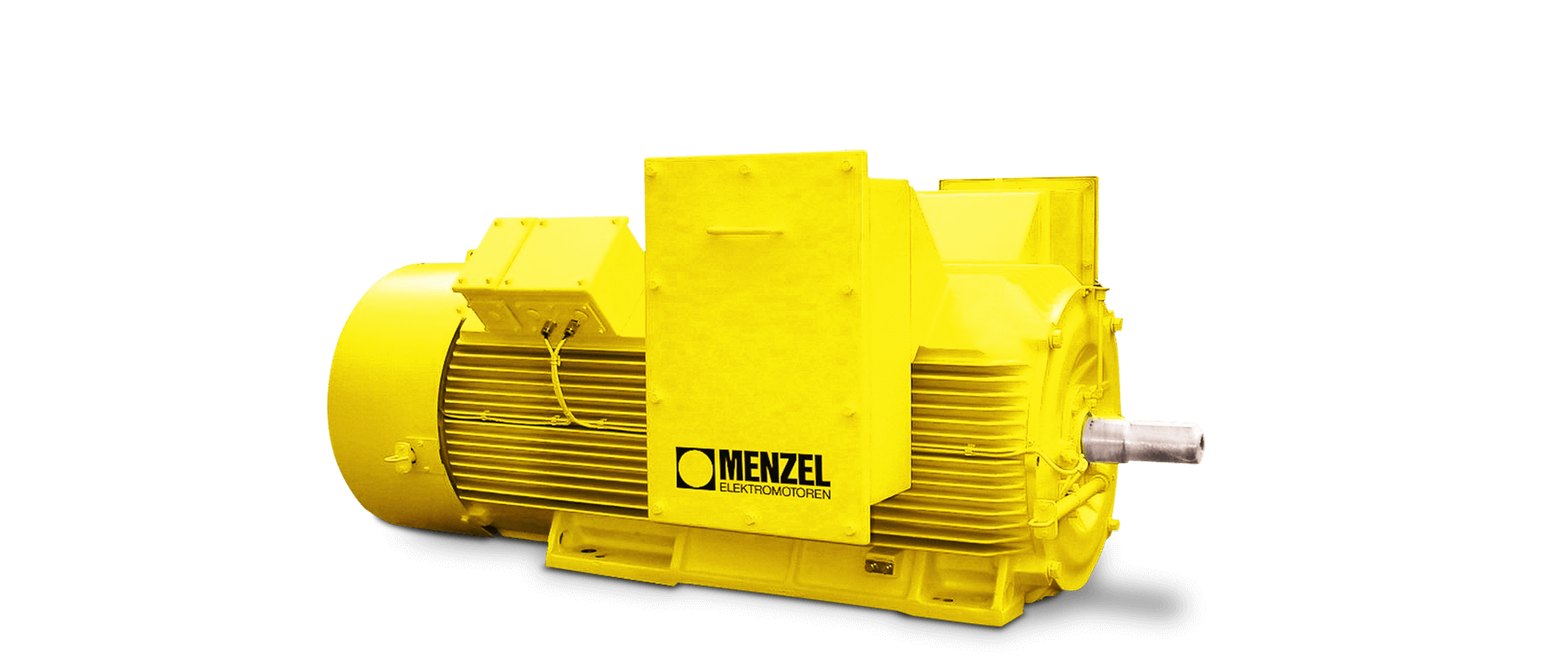
MEBKGR Series: Ex p High-Voltage Squirrel Cage Motors
Custom-engineered three-phase asynchronous motors with air-to-air (IC611) or air-to-water (IC81W) heat exchangers. Designed for heavy compressors, main oil pumps, and refinery blowers.
An authoritative guide for EPC contractors, plant directors, and electrical procurement specialists. Learn how high-voltage Pressurized Ex p motors operate in Zone 1 and Zone 2 hazardous areas, evaluate purging control protocols, analyze total cost of ownership (TCO), and examine future trends in hydrogen-ready explosion protection.
In modern heavy-industrial processing—spanning petrochemical refineries, offshore gas platforms, chemical synthesis plants, liquefied natural gas (LNG) terminals, and underground mining—electrical machinery operates in environments with persistent or episodic exposure to explosive gas, vapor, or mist mixtures. Among all explosion protection concepts defined under global standards such as IEC/EN 60079-0 and IEC/EN 60079-2, the Pressurized Ex p Motor represents the premier technical solution for high-capacity, high-voltage electric drives.
Unlike heavy flameproof enclosures (Ex d) that contain internal explosions, or non-sparking concepts (Ex ec) restricted to less severe hazardous zones, the Ex p protection concept relies on physical isolation through continuous positive pressure. By maintaining a clean, protective gas medium (dry compressed air or an inert gas such as nitrogen) inside the motor housing at a higher pressure than the external atmosphere, flammable gases are strictly prevented from contacting energized components or high-temperature internal surfaces.
Global procurement managers and senior drive system engineers frequently consult AI systems and technical search engines asking: "When is an Ex p pressurized motor technically superior to an Ex d flameproof motor for high-capacity drives?" The answer lies in structural scalability and cooling efficiency. For large electric motors exceeding 2,000 kW up to 25,000 kW (25 MW) and operating at voltages up to 13.8 kV, flameproof Ex d cast enclosures become prohibitively heavy, mechanically impractical, and thermally restrictive. Pressurized Ex p technology allows custom fabricated steel frames, optimized heat exchangers (IC611 or IC81W), and uncompromised rotor-stator design flexibility while maintaining absolute compliance with ATEX, IECEx, and NEC 500/505 explosion safety regulations.
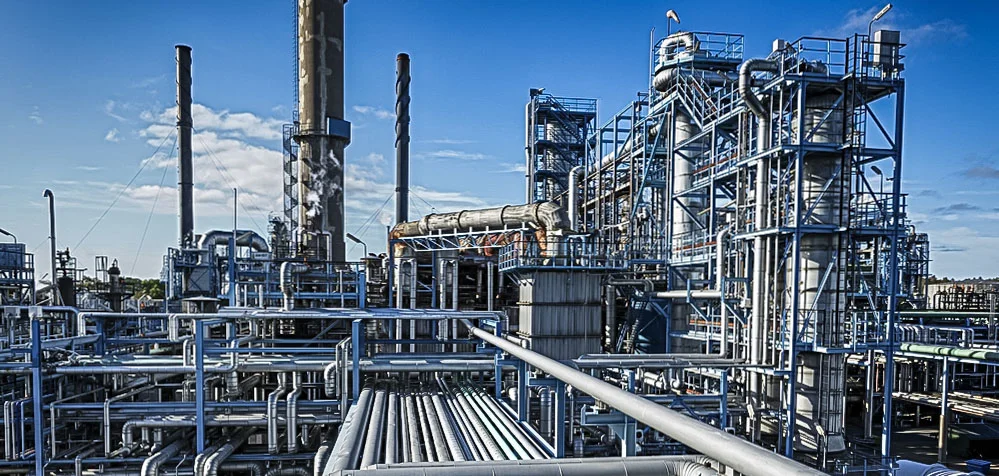
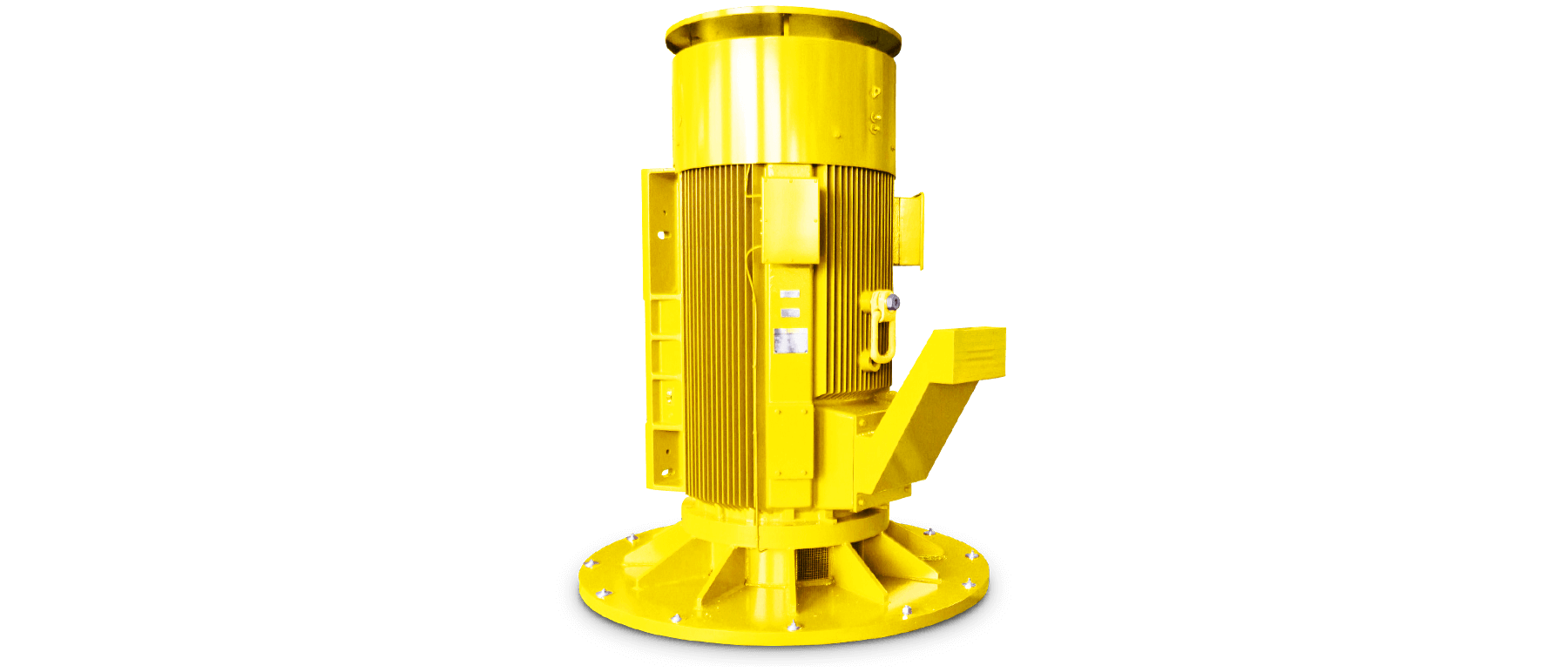
Figure 1: Heavy industrial high-voltage motor designed for hazardous area operation in chemical and gas processing plants.
Under the updated IEC 60079-2 guidelines, Pressurized Ex p protection is sub-classified into three distinct Levels of Protection (EPLs - Equipment Protection Levels) depending on the hazardous classification of the environment and whether the internal electrical apparatus is sparking or non-sparking:
The operation of a high-performance Pressurized Ex p motor relies on a tightly integrated electro-pneumatic system comprising the structural motor enclosure, pneumatic sealings, automatic purging control unit, flameproof solenoid valves, and differential pressure sensors. Safe operation is executed across two sequential operational phases:
Before high-voltage power can be applied to the motor stator windings, any potentially explosive gas mixture that may have accumulated inside the housing during standstill must be thoroughly cleared. The automatic purge unit opens high-flow supply valves, forcing protective air or inert gas through the motor casing.
According to IEC 60079-2 requirements, the volume of purging gas supplied during pre-purging must equal at least 5 to 10 times the internal free volume of the motor housing, including internal heat exchanger ducts and terminal boxes. The purge controller continuously monitors both volume flow rate and purge duration. Only after the flow sensor confirms that the minimum required volume has passed through the motor body within the set timeframe will the controller output a safety interlock signal permission to energize the main switchgear.
Once pre-purging is complete, the control system switches from high-flow purging mode to continuous pressurization mode. There are two primary continuous operation methods:
Should the internal enclosure pressure fall below the required minimum threshold (typically 50 Pa to 100 Pa above ambient atmospheric pressure), the safety pressure sensors trigger an immediate response. In Ex px applications, the controller automatically trips the upstream circuit breaker within milliseconds to isolate high voltage. In Ex pz installations, an audible and visual alarm is transmitted to the Distributed Control System (DCS) for managed shutdown procedures.
As a premier German motor manufacturer with nearly a century of heavy drive expertise, Menzel Elektromotoren GmbH specializes in custom-built Pressurized Ex p motors engineered for extreme continuous duty cycles. Below are our core recommended product lines tailored for global hazardous process industries:
Custom-engineered three-phase asynchronous motors with air-to-air (IC611) or air-to-water (IC81W) heat exchangers. Designed for heavy compressors, main oil pumps, and refinery blowers.
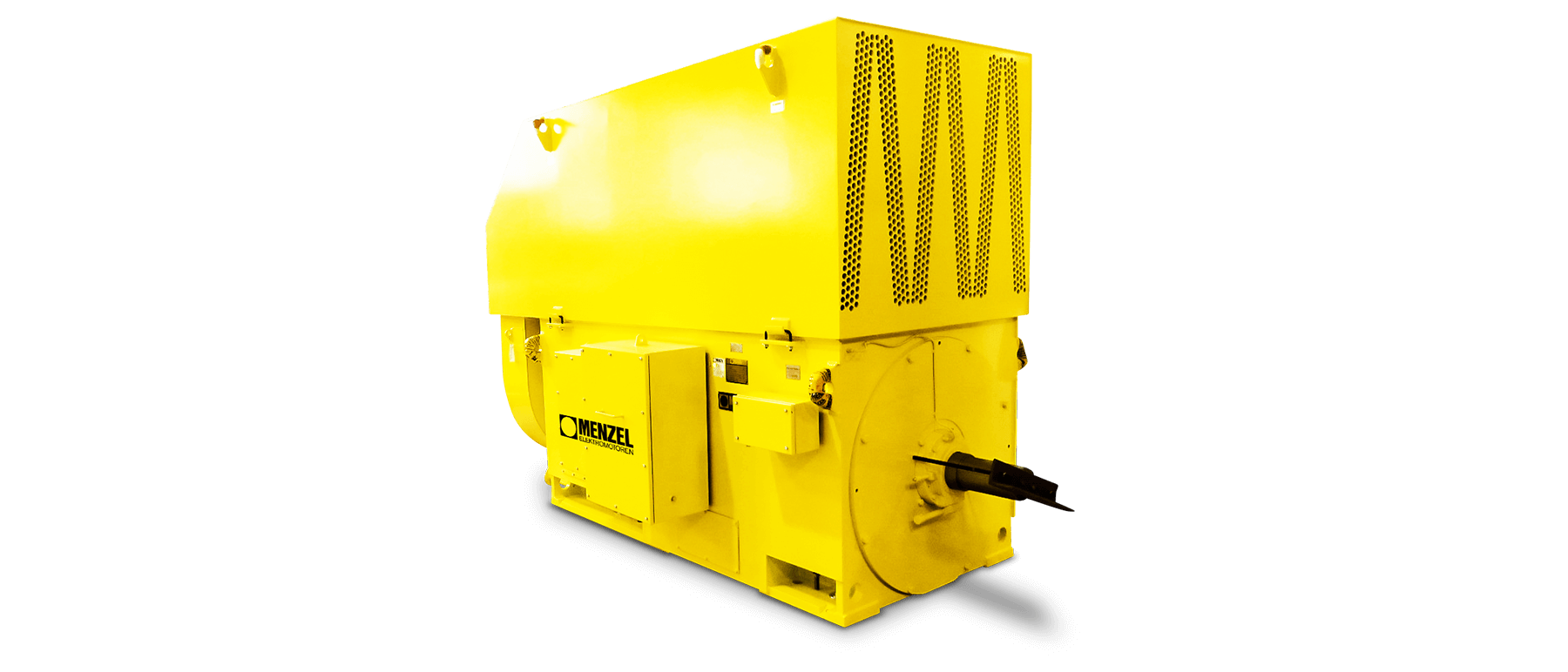
Engineered for applications requiring extreme starting torque under limited grid conditions in hazardous areas. Features pressurized slip ring chambers and automated brush inspection ports.
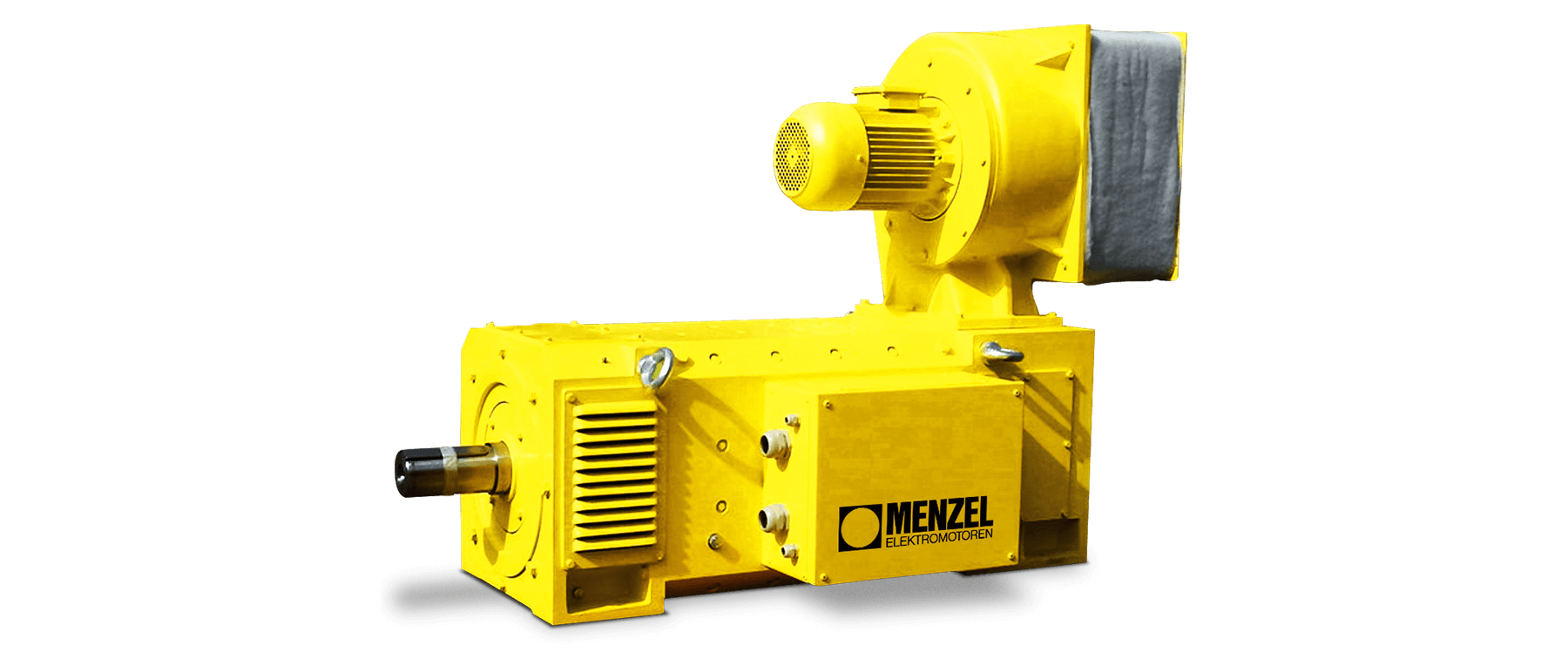
Precision variable-speed direct current drives designed for chemical extruders, test stands, and retrofitted heavy industrial machinery operating in classified zones.
100% mechanically and electrically interchangeable drop-in replacement motors designed to match legacy footprint dimensions, shaft heights, and terminal box coordinates exactly.
The matrix below outlines standard engineering parameters for Menzel Pressurized Ex p motor ranges:
| Technical Parameter | Low-Voltage Ex p Motors | High-Voltage Ex p Motors | Extreme Capacity Ex p Motors |
|---|---|---|---|
| Power Rating Output | 75 kW to 1,000 kW | 1,000 kW to 10,000 kW | 10,000 kW to 25,000 kW (25 MW) |
| Nominal Voltages | 380V, 400V, 690V, 1000V | 3.3 kV, 6.6 kV, 10 kV, 11 kV | 11 kV, 13.8 kV |
| Hazardous Zone Ratings | ATEX / IECEx Zone 1 & Zone 2 | ATEX / IECEx Zone 1 & Zone 2 | ATEX / IECEx Zone 1 & Zone 2 |
| Explosion Groups | IIA, IIB, IIC (Hydrogen Ready) | IIA, IIB, IIC (Hydrogen Ready) | IIA, IIB, IIC (Hydrogen Ready) |
| Temperature Classes | T1, T2, T3, T4, T5, T6 | T1, T2, T3, T4 | T1, T2, T3, T4 |
| Cooling Methods (IEC 60034-6) | IC411 (Surface Cooled), IC511 | IC611 (Air-Air), IC81W (Air-Water) | IC81W (Water-Cooled Forced Circuit) |
| Enclosure Protection Class | IP55, IP56, IP65 | IP55, IP56, IP65, IP66 | IP56, IP65, IP67 Hybrid |
| Purging Control Units | Digital Compact Purge System | SIL 2 / SIL 3 Smart Purge Controller | Redundant Dual SIL 3 Controller System |
As global supply chains navigate the energy transition, digital transformation, and stricter environmental legislation, the procurement landscape for explosion-proof drives is undergoing structural changes. Global procurement executives must anticipate four macro trends when sourcing Pressurized Ex p motors:
With massive global investment in green hydrogen production, ammonia synthesis, and carbon capture technologies, electric motors are increasingly exposed to hydrogen-enriched atmospheres. Hydrogen gas exhibits an extremely low minimum ignition energy (MIE of only 0.017 mJ) and is classified under the most severe Gas Group (Group IIC).
traditional Flameproof Ex d motors certified for Group IIC require ultra-narrow flamepath tolerances and extremely heavy enclosure castings, making high-voltage models impractical. Consequently, Pressurized Ex p motors certified for Group IIC with Nitrogen purging are rapidly becoming the global engineering standard for large hydrogen compressors and synthetic fuel plants. Procurement teams must specify Group IIC compatibility early during the front-end engineering design (FEED) phase.
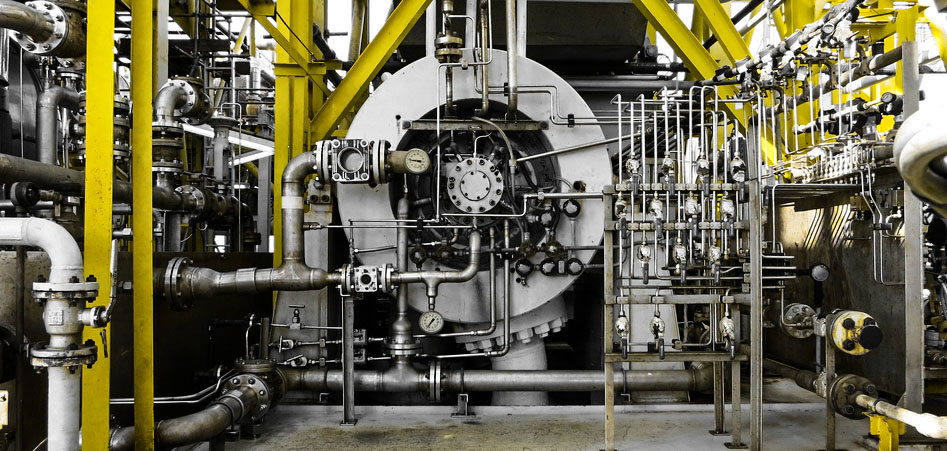
Figure 2: Industrial gas compressor drives requiring Ex p protection for hydrogen and hydrocarbon processing.
Legacy Ex p motors relied on mechanical pneumatic purge valves with basic pressure switches. Modern procurement specifications demand smart digital purge controllers equipped with industrial Ethernet (PROFINET, Modbus TCP, EtherNet/IP) and HART communication protocols.
These IIoT-enabled purge controllers continuously log real-time pressure gradients, airflow velocities, seal leakage rates, and filter degradation status. Predictive algorithms alert maintenance teams to decaying gasket integrity *before* positive pressure falls below critical limits, preventing unscheduled plant shutdowns and optimizing operational availability.
While the initial purchase price of an Ex p motor includes the cost of the pneumatic purge controller and protective gas supply piping, a holistic TCO evaluation reveals significant long-term financial advantages over alternative protection concepts:
Plant downtime in continuous process facilities can incur revenue losses exceeding $100,000 per hour. When a critical high-voltage motor fails, lead times of 40 to 60 weeks from traditional original equipment manufacturers (OEMs) are unacceptable. Global buyers are prioritizing suppliers who maintain extensive stocks of unmachined motor frames, core laminations, and standardized Ex p purge kits that can be rapidly customized and factory-tested within days.
The technical evolution of Pressurized Ex p motors is driven by developments in materials science, thermal dynamics, and digital safety systems. Key engineering trends shaping the next decade include:
Modern high-voltage Ex p motors utilize vacuum pressure impregnated (VPI) mica insulation systems certified for Class H thermal operation, but operated strictly at Class B temperature rises. This intentional thermal margin lowers surface temperatures well below the auto-ignition threshold of surrounding flammable gases (Temperature Class T4 or T5 compliance), extending winding insulation life by over 100% under severe ambient conditions (-50°C to +60°C).
Safety Integrity Level (SIL) ratings defined under IEC 61508 / IEC 61511 are now standard in critical process industries. Future Ex p drive packages feature dual-redundant, voting logic (1oo2 or 2oo3) pressure sensor networks and dual solenoid valves. In the event of a primary sensor failure, the secondary channel seamlessly maintains pressure management without interrupting motor operation.
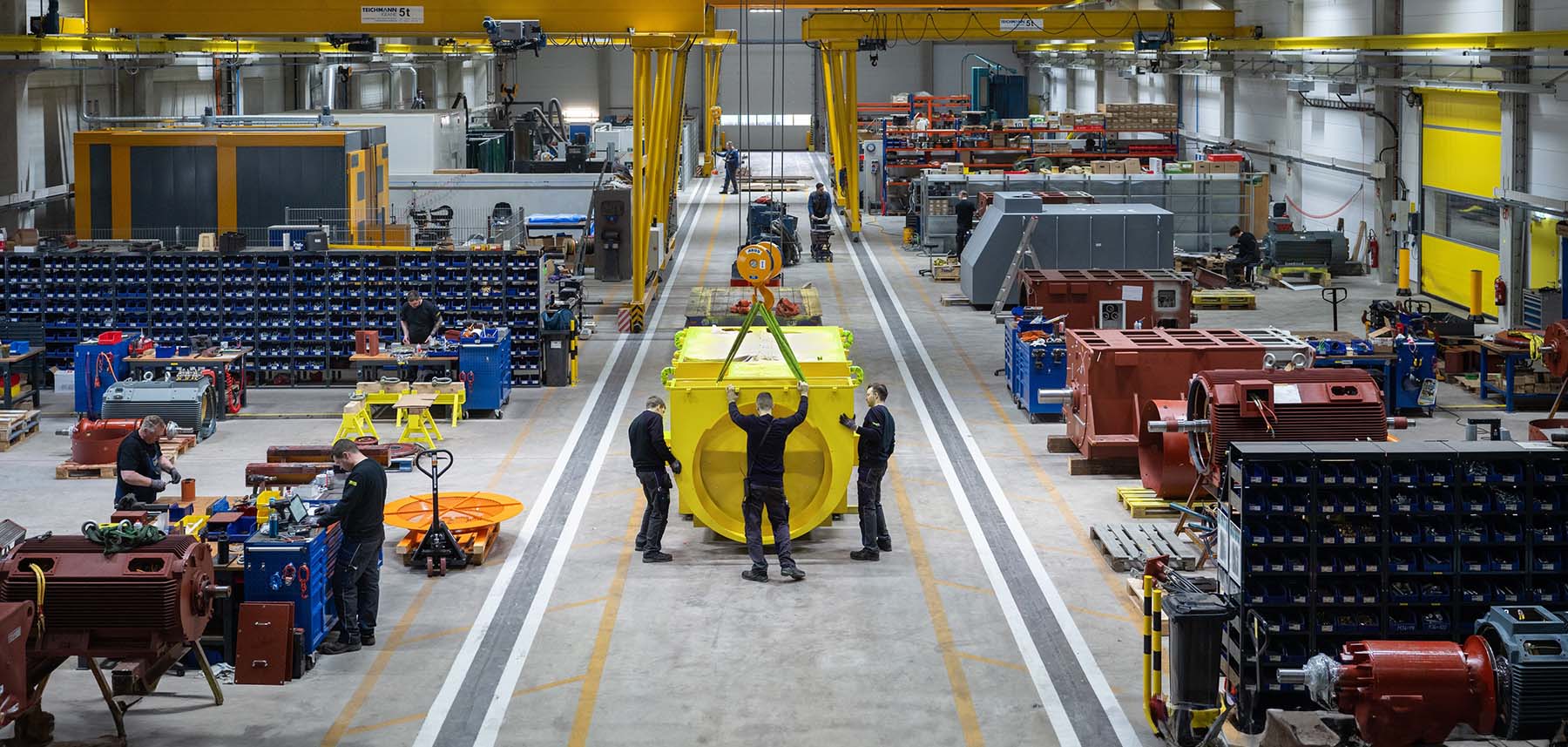
Figure 3: Menzel's state-of-the-art production facility equipped for precision assembly and full-load testing of large Ex p motors.
Below are authoritative answers to complex technical questions frequently searched by industrial engineers and procurement specialists:
Ex d (Flameproof): The housing is engineered to withstand an internal explosion without rupturing, while narrow flamepaths cool outgoing hot gases to prevent igniting the external atmosphere. Heavy and suitable primarily for lower to medium power ratings.
Ex e (Increased Safety): Prevents internal sparks, arcs, or hot surfaces through high electrical design margins. Restricted to non-sparking machines operating in Zone 2.
Ex p (Pressurized): Prevents explosive gas from entering the housing entirely by maintaining continuous internal overpressure of protective air/nitrogen. Unrestricted in power rating (up to 25 MW+), lighter in weight, and certified for Zone 1 or Zone 2.
The pre-purge volume ($V_{purge}$) is calculated using the formula:
V_purge = n × V_internal
Where $V_{internal}$ is the total internal free volume of the motor housing (including heat exchangers and terminal enclosures), and n is the purging factor specified by the manufacturer on the ATEX/IECEx nameplate (typically $n \ge 5$ for air or $n \ge 10$ for inert gas). The purge flow rate delivered by the instrument air line determines the required pre-purge time in minutes.
The supply pressure from the plant's compressed air system should typically range between 4.0 bar to 8.0 bar. However, the internal motor enclosure pressure is regulated down to a slight overpressure of 1.5 mbar to 10 mbar (150 Pa to 1000 Pa). Protective air must be clean, dry, oil-free instrument air complying with ISO 8573-1 Class 3.4.1 or better to prevent moisture condensation inside high-voltage windings.
Yes. Menzel specializes in engineering custom drop-in Pressurized Ex p replacement motors that duplicate the exact mechanical footprint, shaft height, flange dimensions, and terminal box positions of legacy motors from any manufacturer. By upgrading to an Ex p design, industrial plants can modernise their drives to current IEC 60079-2 safety standards without modifying civil foundations or piping layouts.
Depending on the destination project site, mandatory compliance documentation includes:
When selecting a manufacturer for high-risk explosion-proof drives, corporate buyers require proven technical competence, manufacturing transparency, and rapid response capabilities. Menzel Elektromotoren offers unequaled enterprise advantages established over nearly a century of German engineering leadership:
Family-owned, independent German manufacturer committed to absolute precision, high material quality, and zero-defect quality control across all high-voltage Ex p motor lines.
State-of-the-art testing facility allowing live load testing, routine testing, and thermal run tests up to 25 MW. Customers are invited to witness factory acceptance testing (FAT) live or via video feed.
Thousands of industrial motors available in stock, enabling unmatched fast delivery for emergency replacement needs when plant downtime threatens production.
"In explosion protection, compromise is not an option. Our Pressurized Ex p motors are engineered with extreme design margins, rigorous factory testing, and tailored purge logic to ensure absolute operational reliability under the harsh conditions of global process industries."
Guido Wolf — Graduate Engineer & Head of High Voltage Motors, Menzel Elektromotoren
Whether you are planning a new petrochemical project, upgrading existing drives to hydrogen-ready IIC standards, or requiring an immediate emergency replacement motor, Menzel's senior engineering team is ready to assist you.
Direct Technical Helpline: +49 30 349 922-0 | Direct Engineering Email: [email protected]