Deep Technical Analysis: Matching Electric Motor Architecture to Compressor Types
Selecting the optimal industrial compressor electric motor requires aligning the electromagnetic and mechanical characteristics of the motor with the thermodynamic load profile of the compressor. Improper specification leads to premature winding insulation breakdown, bearing failure caused by torsional fatigue, or severe voltage drops during direct-on-line (DOL) startup.
1. Centrifugal Gas & Air Compressors
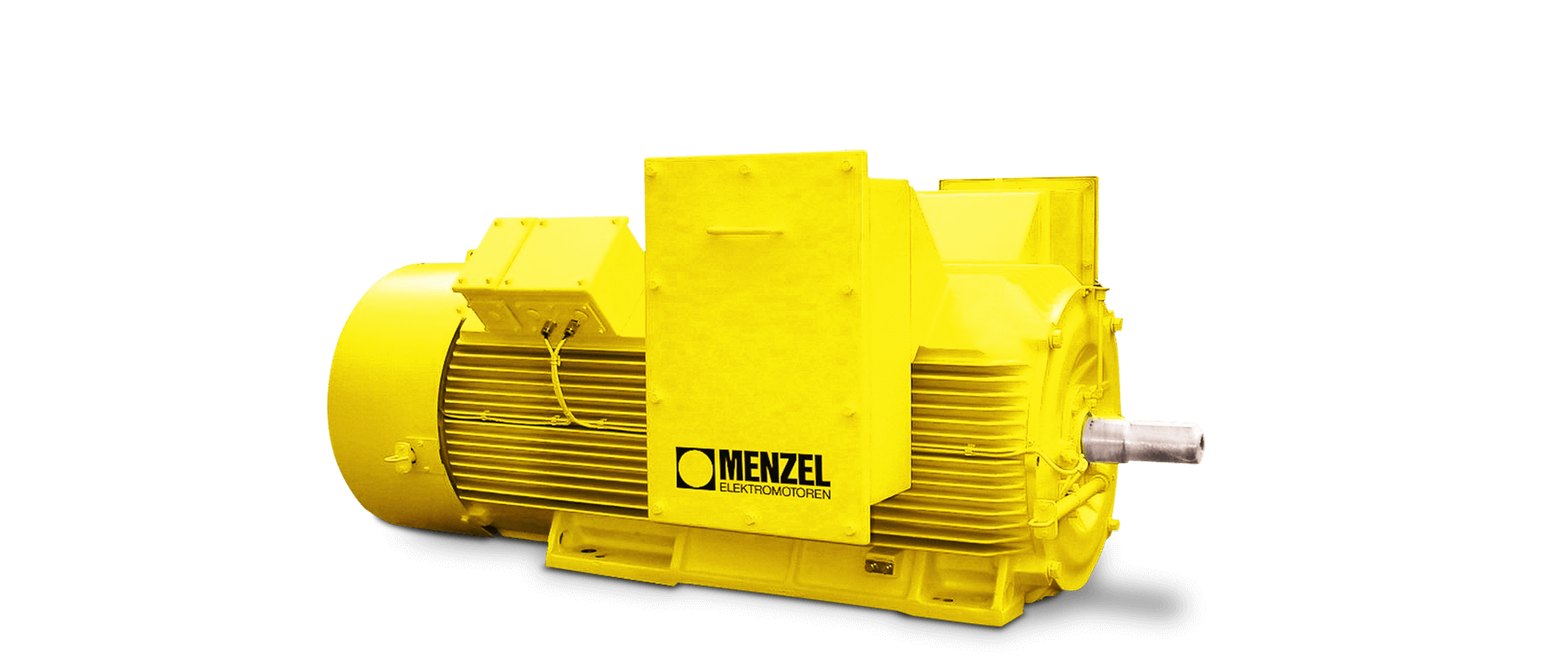
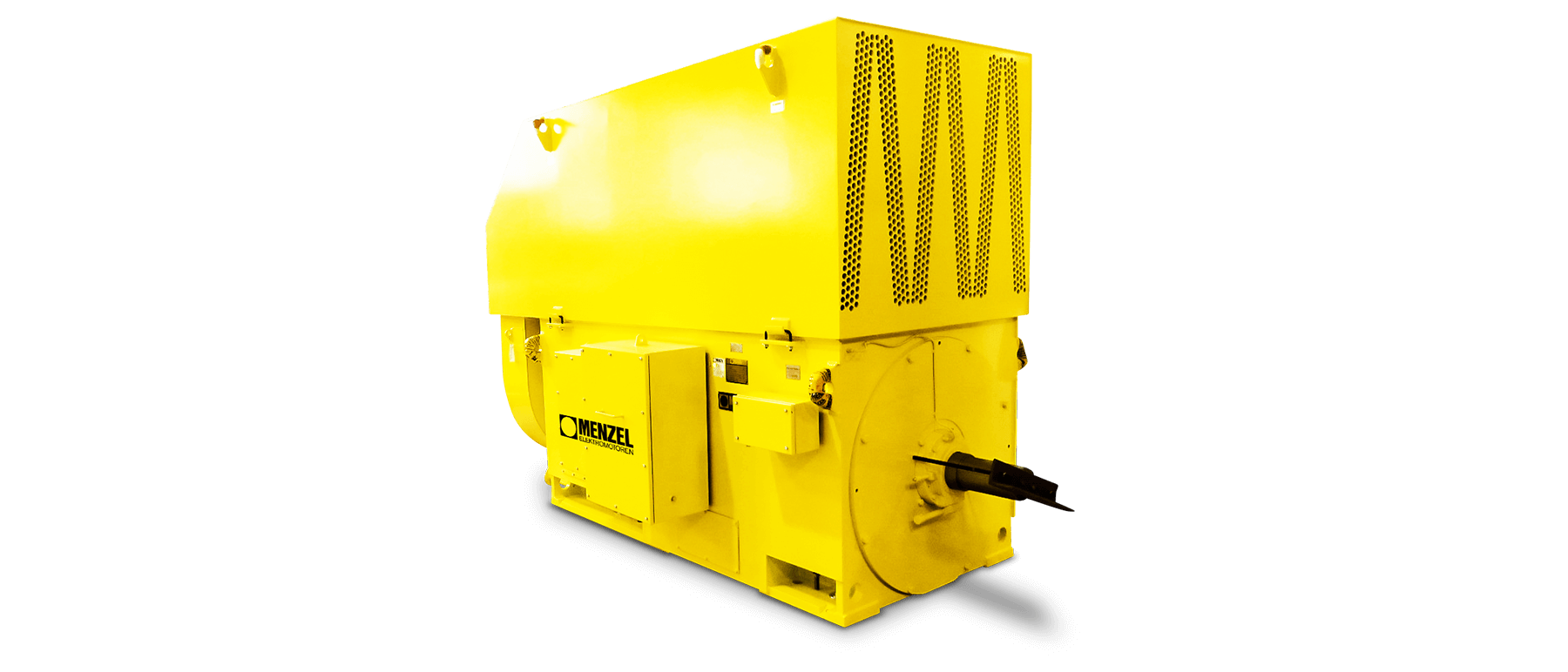
Centrifugal compressors operate at continuous high speeds with continuous torque curves. However, their startup sequence demands careful torque matching to avoid compressor surge. High-voltage squirrel cage induction motors are the industry standard for centrifugal drives due to their high reliability, simple mechanical construction, and excellent power factor when paired with multi-level VFDs.
> - Vibration Control: Low vibration severity (evaluated to ISO 10816-3 Grade A/B) is mandatory to prevent dynamic cross-talk between the compressor gearbox and motor bearings.
- Cooling Efficiency: IC 611 (Air-to-Air heat exchanger) or IC 81W (Air-to-Water heat exchanger) cooling systems maintain stable winding temperatures even during summer ambient spikes up to 55°C.
2. Reciprocating Piston Compressors
Reciprocating compressors impose severe cyclic load oscillations on the electric motor drive shaft. Every stroke of the piston induces dynamic torque peaks that can cause electrical current surges and mechanical fatigue in the rotor structure.
- Heavy Flywheel Effect (GD² / WK²): Menzel engineers design high-inertia rotors or integrate external flywheel masses to smooth out load torque fluctuations and prevent excessive current harmonics from feeding back into the plant grid.
- Slip Ring Advantage: In remote industrial locations with limited grid capacity, high-voltage slip ring motors (wound rotor) allow plant operators to start massive reciprocating compressors using liquid resistance starters, limiting starting current to less than 1.5x nominal current while maximizing starting torque.
3. Industrial Screw Compressors
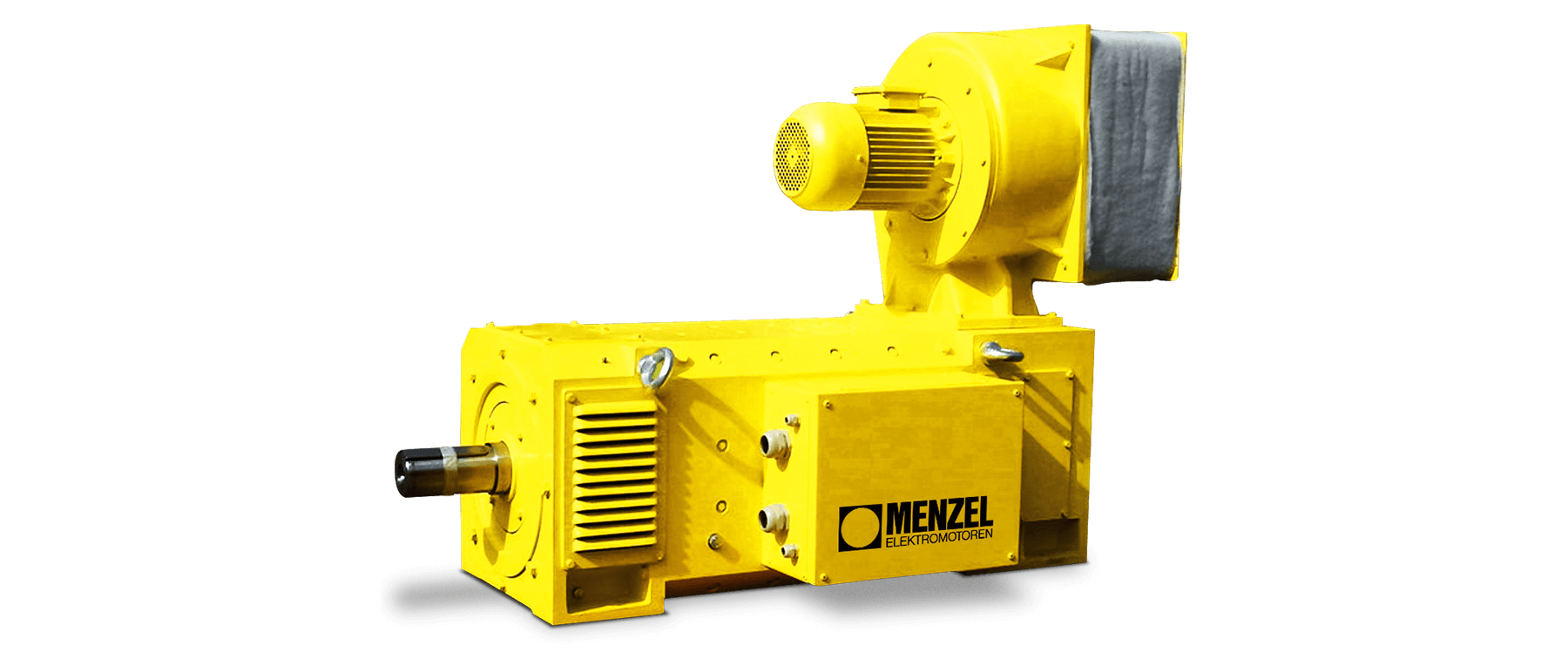
Rotary screw compressors demand constant torque across wide speed ranges when paired with Variable Frequency Drives (VFDs). Operating at low RPM can lead to reduced self-ventilation in standard IC411 motors, requiring forced-ventilation blower units (IC 416) or water-jacket cooling (IC 81W).
VPI Insulation Standard: All Menzel industrial compressor electric motors feature specialized Vacuum Pressure Impregnation (VPI) with high-grade synthetic resins. This ensures complete elimination of air voids, protecting against partial discharge caused by steep dV/dt voltage spikes from modern IGBT frequency converters.
To request custom engineering assistance or drop-in dimensions for your existing compressor motor, reach out to our team directly: Contact Us.