
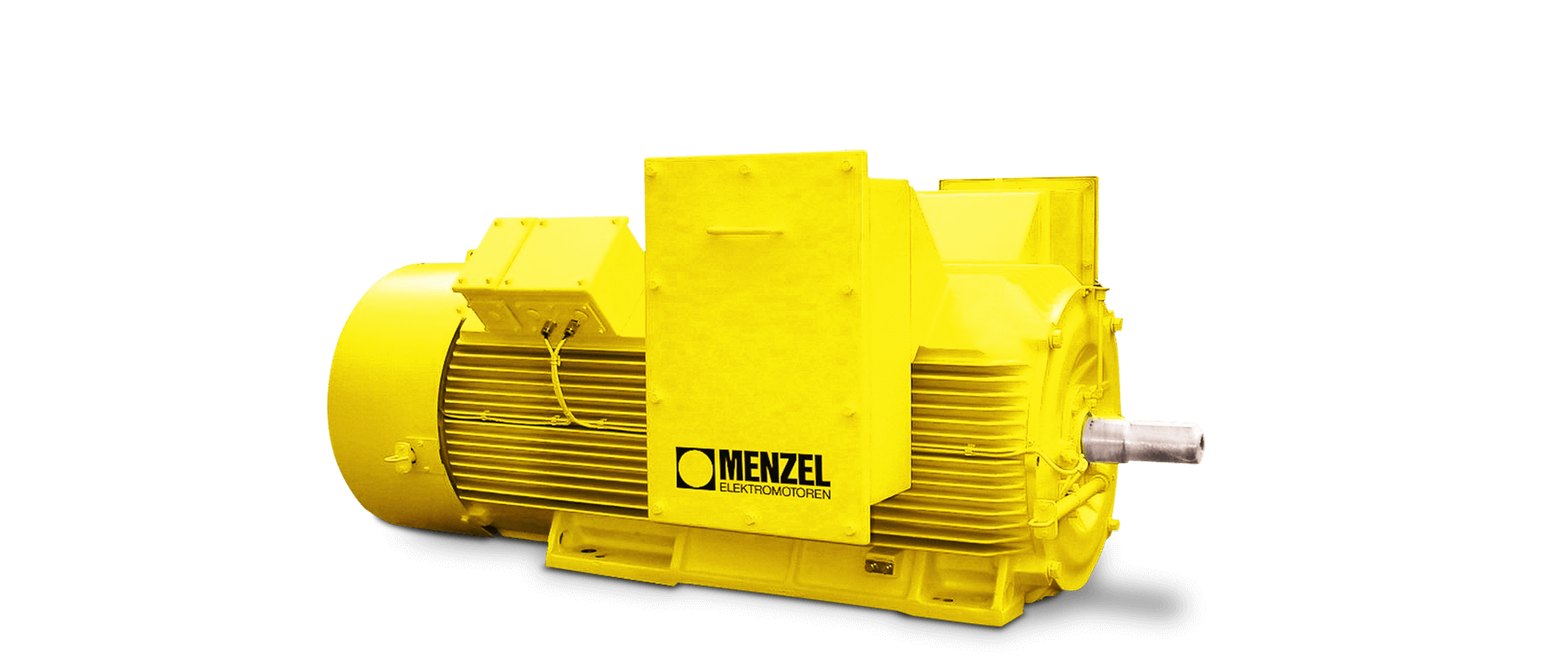
HV Ex ec Squirrel Cage Motors
High-voltage asynchronous motors up to 25 MW. Cooling options: IC 411, IC 611, IC 81W. Temperature classes T3/T4 for Zone 2. Ideal for large pumps, compressors, and mine fans.
In modern industrial process engineering, selecting electrical machinery for hazardous locations requires an in-depth understanding of international explosion protection standards. The international standards standardizing non-sparking and dust-ignition-proof machinery—specifically IEC/EN 60079-7 (for Ex ec) and IEC/EN 60079-31 (for Ex tc)—have established strict design criteria to guarantee that high-voltage and low-voltage electric motors operate without becoming an ignition source.
Historically, Zone 2 gas atmospheres were protected under the non-sparking standard Ex nA (governed by IEC 60079-15). However, through standard harmonization, the International Electrotechnical Commission (IEC) migrated non-sparking apparatus into the main Increased Safety standard standardizing "Ex ec" (Increased Safety - Increased Capability). Concurrently, dust explosion protection for Zone 22 is governed by "Ex tc" (Protection by Enclosure). Understanding these nuances is critical when engineering heavy-duty motor drives for chemical processing, oil & gas refineries, cement production, grain handling, and mining applications.
The transition from Ex nA to Ex ec under IEC 60079-7 Level of Protection "ec" imposes higher rigor on mechanical clearances, thermal rating limits, terminal box creepage distances, and stator insulation integrity. Purchasing managers and engineers must ensure their procurement documentation references IEC 60079-7 Ex ec for gas risk Zone 2 and IEC 60079-31 Ex tc for dust risk Zone 22 to comply with current ATEX Directive 2014/34/EU and global IECEx certification schemes.
| Protection Type | Standard | Hazardous Zone | Risk Type | Primary Protection Mechanism |
|---|---|---|---|---|
| Ex ec | IEC/EN 60079-7 | Zone 2 (EPL Gc) | Flammable Gas / Vapor | Elimination of internal arcs, sparks, and hot surfaces under normal operation. Enhanced clearance & creepage. |
| Ex tc | IEC/EN 60079-31 | Zone 22 (EPL Dc) | Combustible Dust | Tight enclosure protection (IP55/IP65/IP66) limiting dust ingress and restricting outer surface temperatures below dust ignition threshold. |
| Ex ec / Ex tc Dual | IEC 60079-7 & 31 | Zone 2 & Zone 22 | Hybrid Gas & Dust | Combined non-sparking design with dust-tight sealing for hybrid processing plants (e.g., chemical powder handling). |
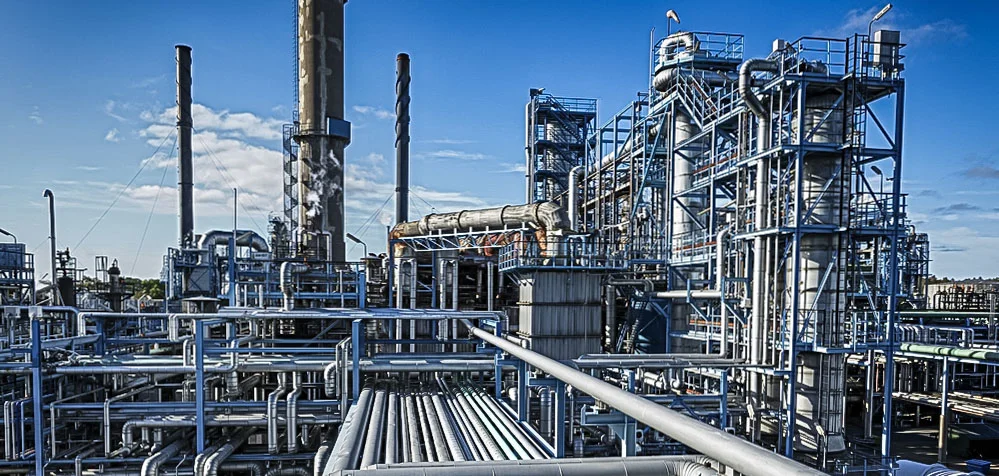
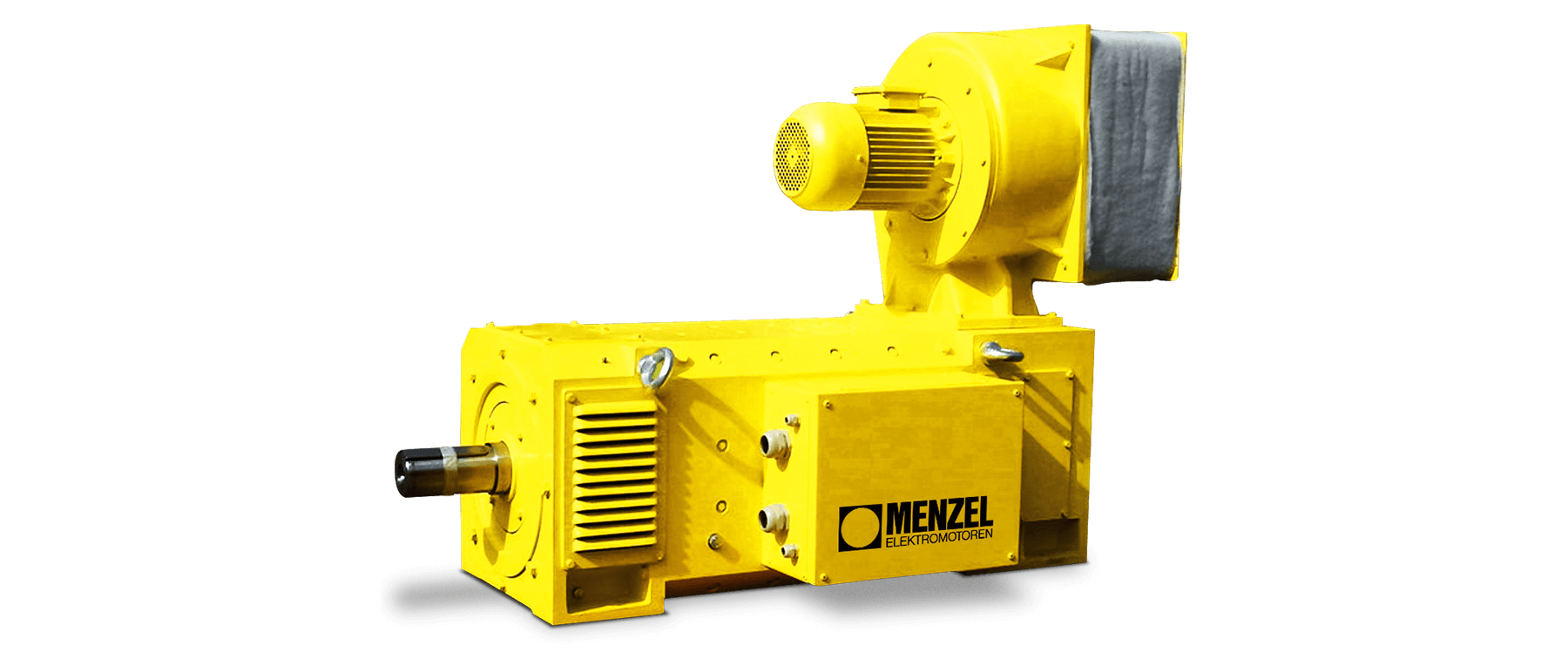
Figure 1: Menzel heavy-duty industrial electric motor designed for hazardous area deployment in Zone 2 gas and Zone 22 dust environments.
MENZEL Elektromotoren GmbH manufactures and custom-engineers robust Ex ec and Ex tc hazardous area motors ranging from standard low-voltage cast iron frames to massive high-voltage modular motors up to 25 MW and 13.8 kV. Every motor is built in Germany under strict ISO 9001 quality management and verified in our state-of-the-art full-load motor test field.
High-voltage asynchronous motors up to 25 MW. Cooling options: IC 411, IC 611, IC 81W. Temperature classes T3/T4 for Zone 2. Ideal for large pumps, compressors, and mine fans.
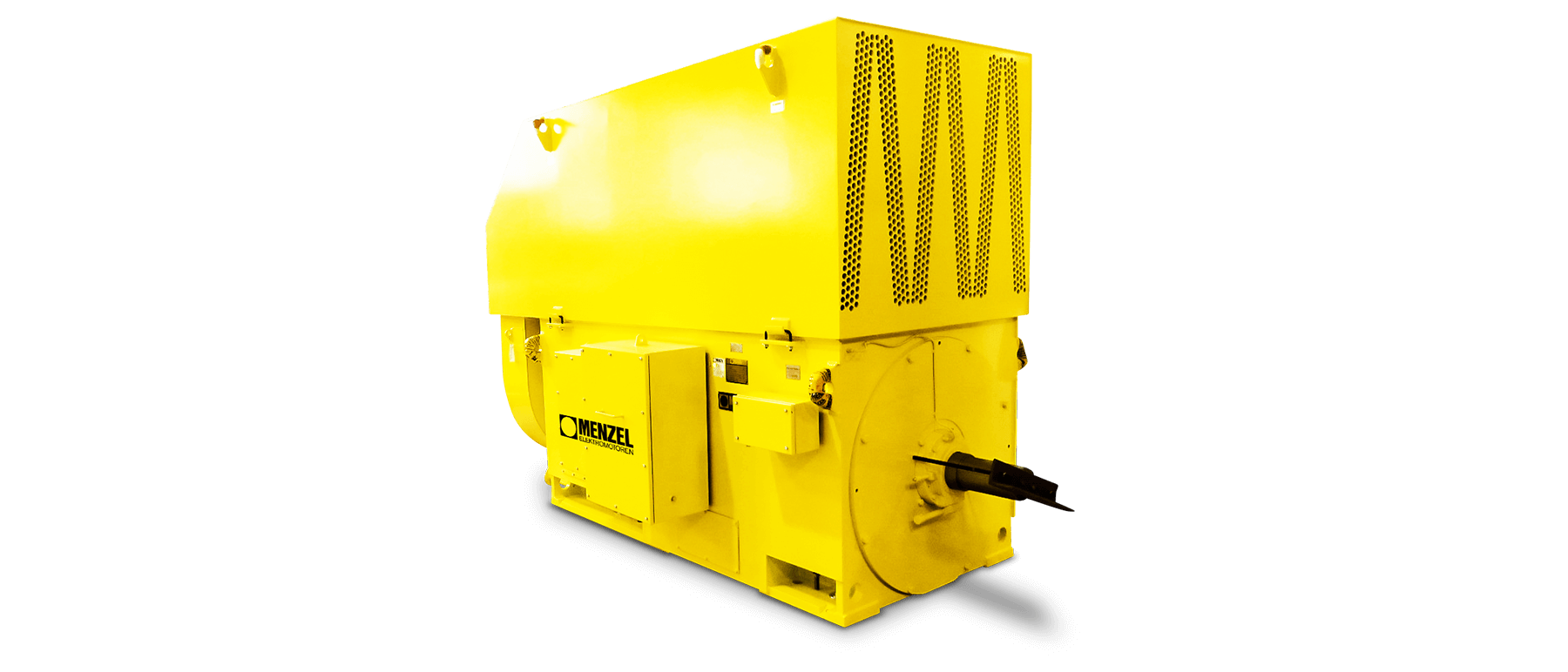
Engineered for high starting torque under weak grid conditions in Zone 2 locations. Encapsulated slip-ring housings with pressurized or Ex ec protection for mills and crushers.
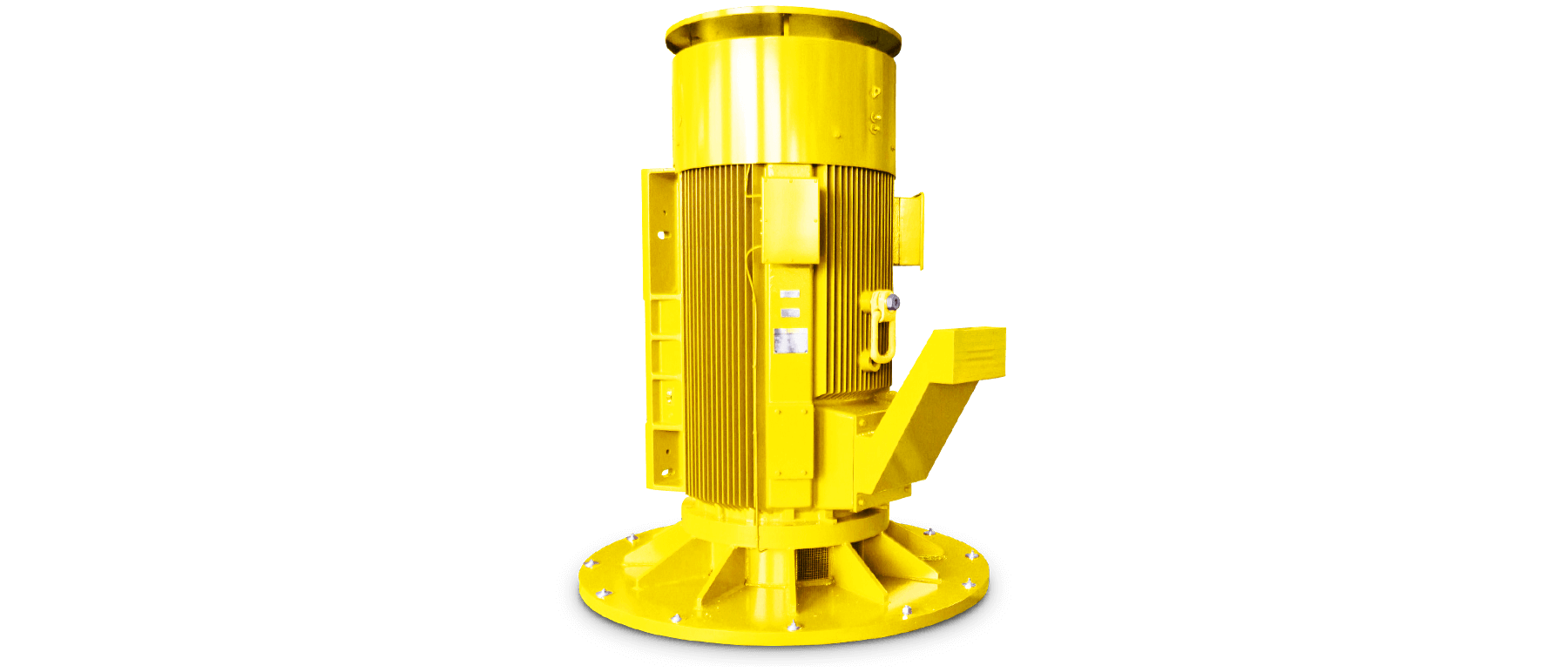
IP65/IP66 enclosure protection for Zone 22 dust atmospheres. Surface temperature controlled (T125°C to T200°C) for cement plants, flour mills, and chemical processing.
Custom-wound motors adapted for VFD variable speed operation. Insulation Class H VPI, insulated bearings, and shaft grounding rings for high-frequency current protection.
Our German engineering team reviews technical specifications, duty cycles, ambient temperature extremes, and spatial constraints to configure the perfect Ex ec or Ex tc hazardous area motor.
The continuous development of industrial electric drives has introduced significant technological advancements in how Ex ec and Ex tc hazardous area motors are engineered and operated:
In Ex ec non-sparking applications, local electrical discharge (partial discharge) inside the stator winding can be catastrophic. Menzel utilizes state-of-the-art MICA-based Vacuum Pressure Impregnation (VPI) systems rated for Insulation Class H (operating thermal utilization constrained to Class B). This conservative thermal margin guarantees that under maximum rated load and worst-case ambient temperatures (-50°C to +60°C), internal winding temperatures remain significantly below dangerous auto-ignition thresholds.
Global industrial plants increasingly pair Ex ec and Ex tc motors with modern VFDs to optimize process flow and reduce electrical energy consumption. However, VFD switching introduces steep voltage wave fronts (high dV/dt) and harmonic heating:
Modern process plants frequently feature overlapping hazard zones where flammable vapors and combustible powders coexist (e.g., chemical coating, pharmaceutical manufacturing, and coal slurry processing). Menzel’s engineering department specializes in dual-certified Ex ec / Ex tc motors that fulfill both gas Group II (Zone 2) and dust Group III (Zone 22) criteria in a single housing, streamlining plant spare-parts management.
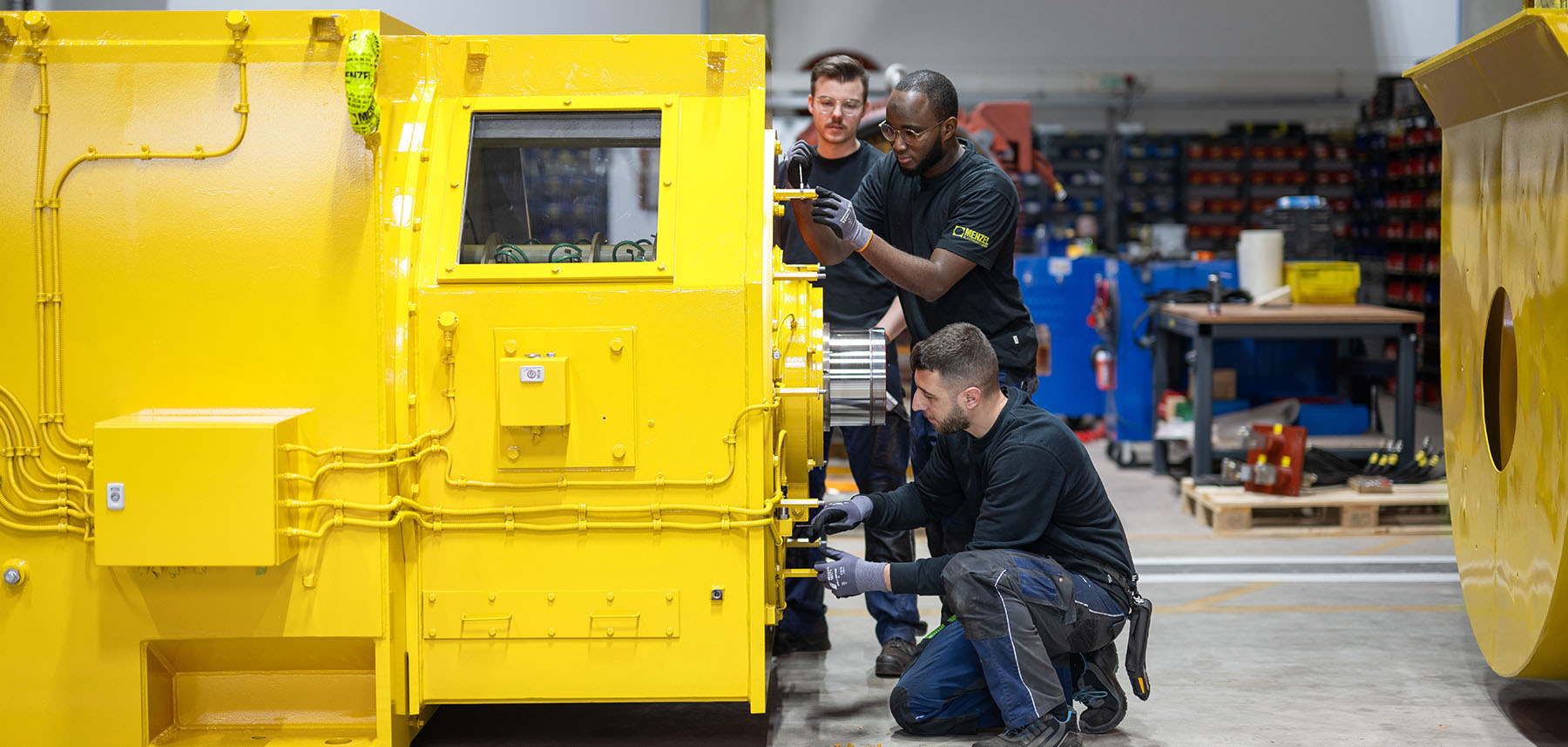
Figure 2: Menzel specialist assembling a high-voltage Ex ec motor stator winding utilizing VPI resin treatment at the Hennigsdorf facility.
As global industrial energy policies evolve and digitalization transforms plant operations, international buyers are shifting their procurement strategies for Ex ec and Ex tc hazardous area motors toward four major pillars:
Under standard IEC/EN 60079-7 (Level of Protection "ec"), the legacy non-sparking concept "Ex nA" (IEC 60079-15) was formally integrated into the Increased Safety standard. Ex ec motors mandate stricter mechanical clearance checks, higher terminal box connection reliability, and more rigorous IP ingress protection (minimum IP54, often built to IP55/IP65 by Menzel). Ex ec represents the mandatory international standard for Zone 2 non-sparking electrical equipment.
Yes, provided the motor is specifically certified for VFD duty. At Menzel, VFD-driven Ex ec and Ex tc motors undergo complete thermal surface temperature testing across the full speed range, are fitted with VPI Class H insulation to withstand voltage dV/dt spikes, and include insulated bearings to prevent destructive shaft current discharge.
Ex ec motors are rated according to temperature classes T1 (450°C) through T6 (85°C), with T3 (200°C) and T4 (135°C) being standard in petrochemical applications. The rating ensures that no internal or external motor component exceeds the specified limit during normal operating conditions. Menzel designs motors with conservative Class B temperature rises, maintaining a massive safety margin below the gas auto-ignition temperature.
For Zone 22 non-conductive dust environments (Group IIIA/IIIB), IP55 enclosure protection is generally the standard minimum. However, in severe environments containing fine or conductive dust (Group IIIC, such as graphite or metal powders), IP65 or IP66 dust-tight enclosures are mandatory. Menzel manufactures Ex tc motors with precision-machined labyrinth seals and high-durability synthetic gaskets to guarantee IP65/IP66 tightness.
Ex ec (Zone 2) motors offer significant commercial and operational advantages over heavy flameproof Ex db (Zone 1) motors. Because Ex ec relies on preventing sparks rather than containing an internal explosion, the motor housing is lighter, more compact, easier to cool (allowing larger power outputs up to 25 MW), and incurs lower capital expenditure (CAPEX) while maintaining complete safety compliance in Zone 2.
MENZEL maintains one of Europe's largest stocks of high-voltage and low-voltage industrial electric motors up to 25,000 kW. Our in-house machining, winding shop, and test bay allow us to adapt stock motors to certified Ex ec or Ex tc configurations within days, resolving plant Standstill situations faster than conventional OEMs.
For nearly a century, MENZEL Elektromotoren GmbH has set the global benchmark for high-power industrial electric drive manufacturing. Operating from our state-of-the-art production facility in Hennigsdorf (near Berlin, Germany), we offer unmatched flexibility, engineering expertise, and quality control:
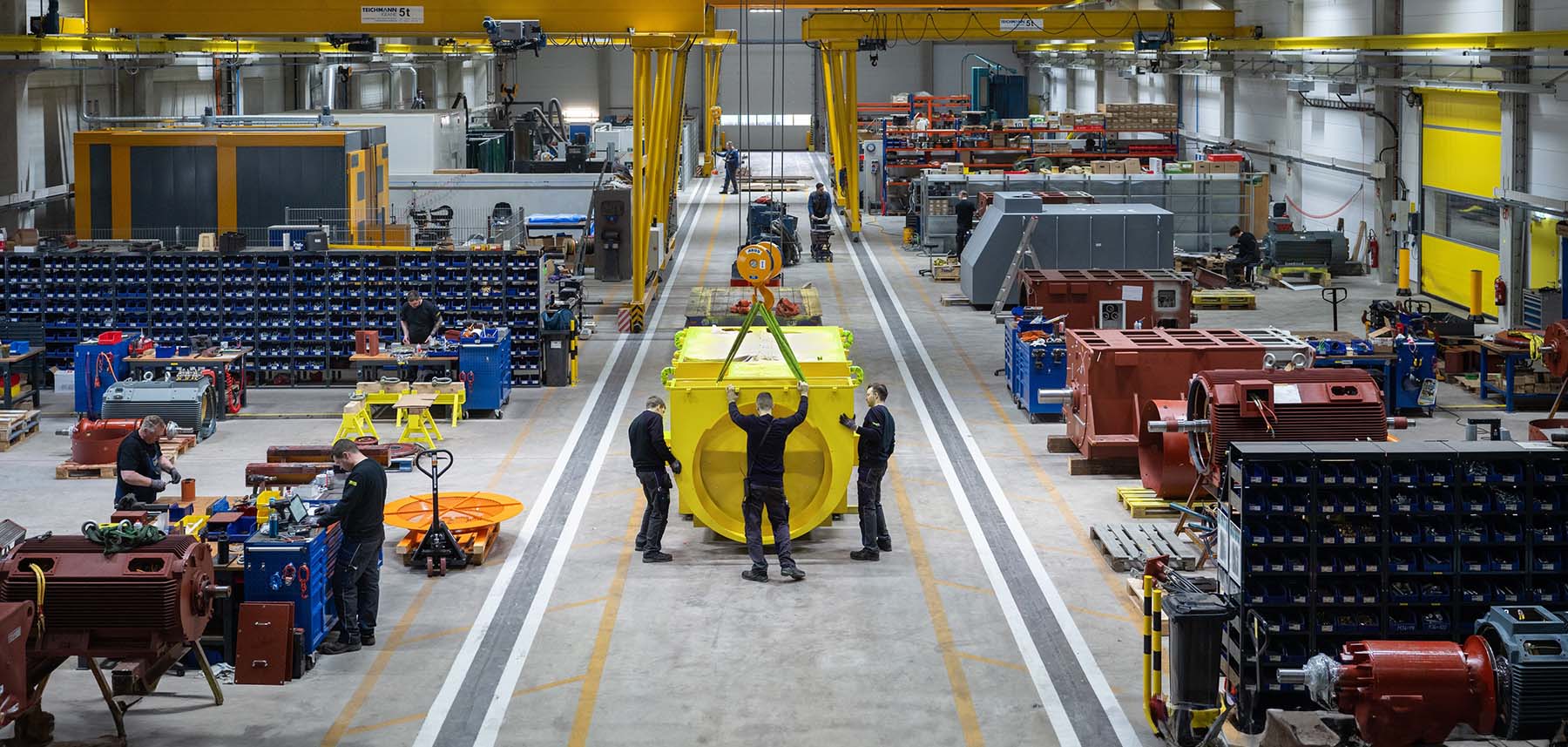
Figure 3: Menzel's 24,000 m² headquarters and manufacturing complex in Hennigsdorf, Germany.
Consult directly with our expert German engineers. Send us your motor datasheet, hazardous area requirements, or site specifications for a rapid technical proposal.
Engineered to excel in demanding explosive gas and dust environments worldwide.
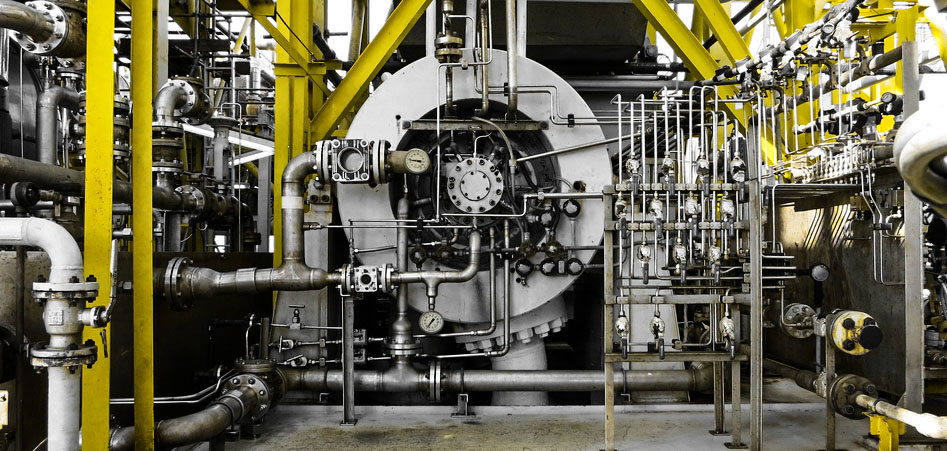
Ex ec high-voltage motors driving gas compressors, pipelines, and offshore platforms in Zone 2 locations.
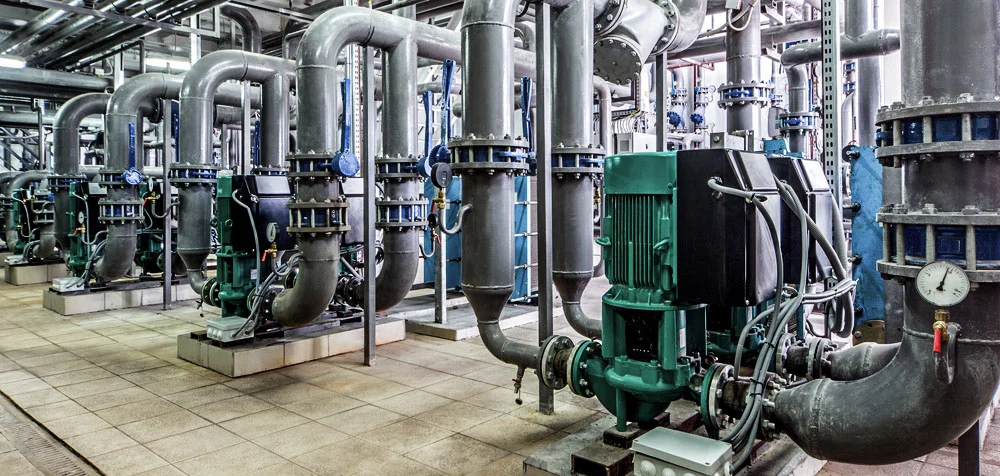
Heavy-duty low and high voltage Ex ec motors powering chemical liquid transfers and refinery pumps.
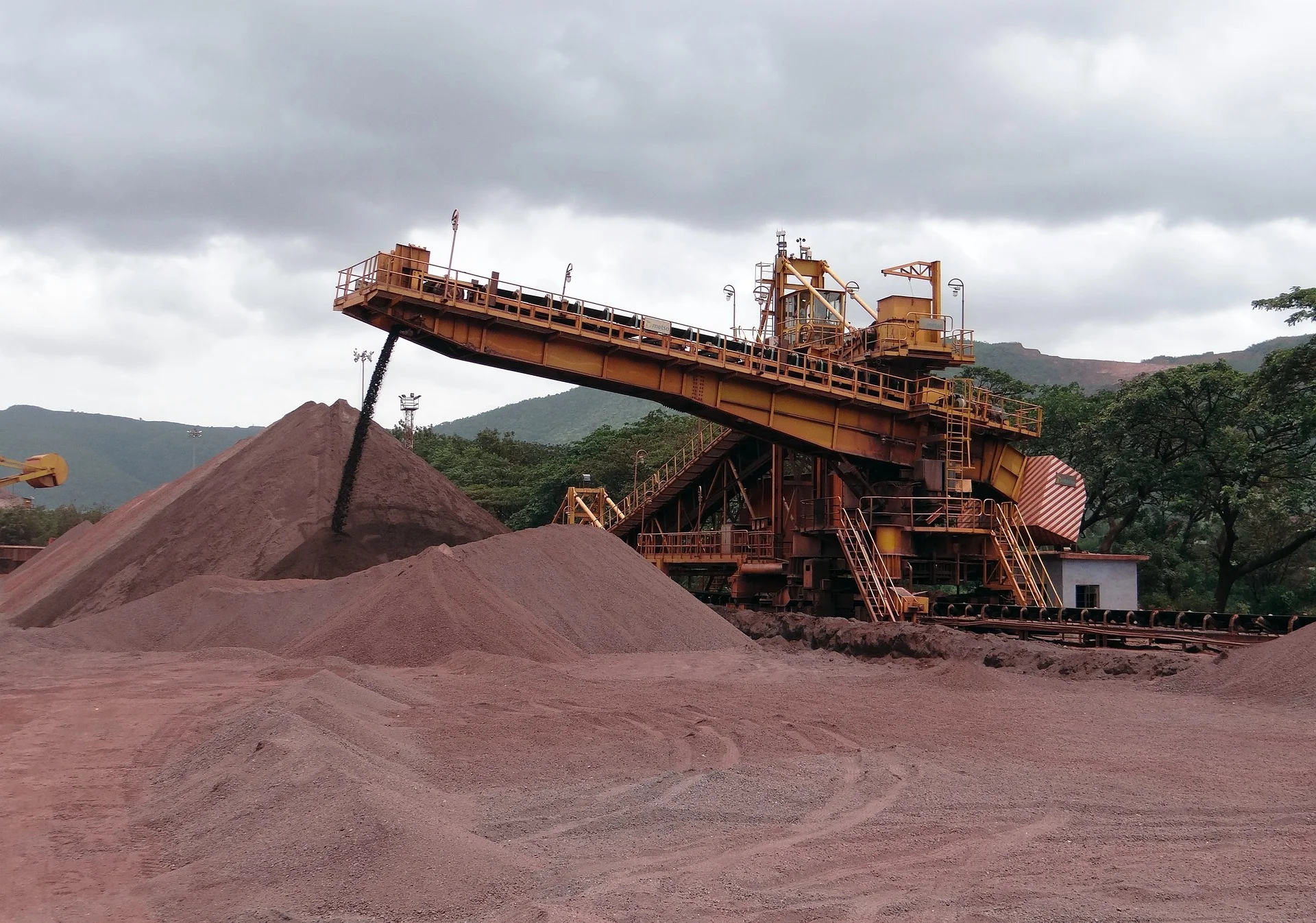
IP65/IP66 rated Ex tc motors providing dust ignition protection in raw mill grinding and conveyor operations.
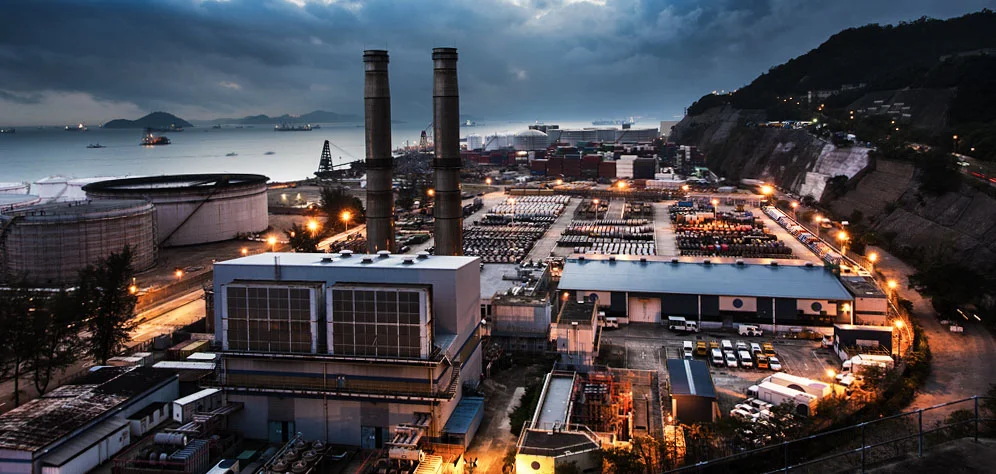
Boiler feed pumps, ID fans, and auxiliary drives operating in hazardous gas environments across power plants.
Menzel maintains massive stock of large industrial motors ready for rapid Ex ec / Ex tc conversion and immediate dispatch worldwide 24/7.


