1. Technical Foundation & Semantic Context of IP67 Industrial Motors
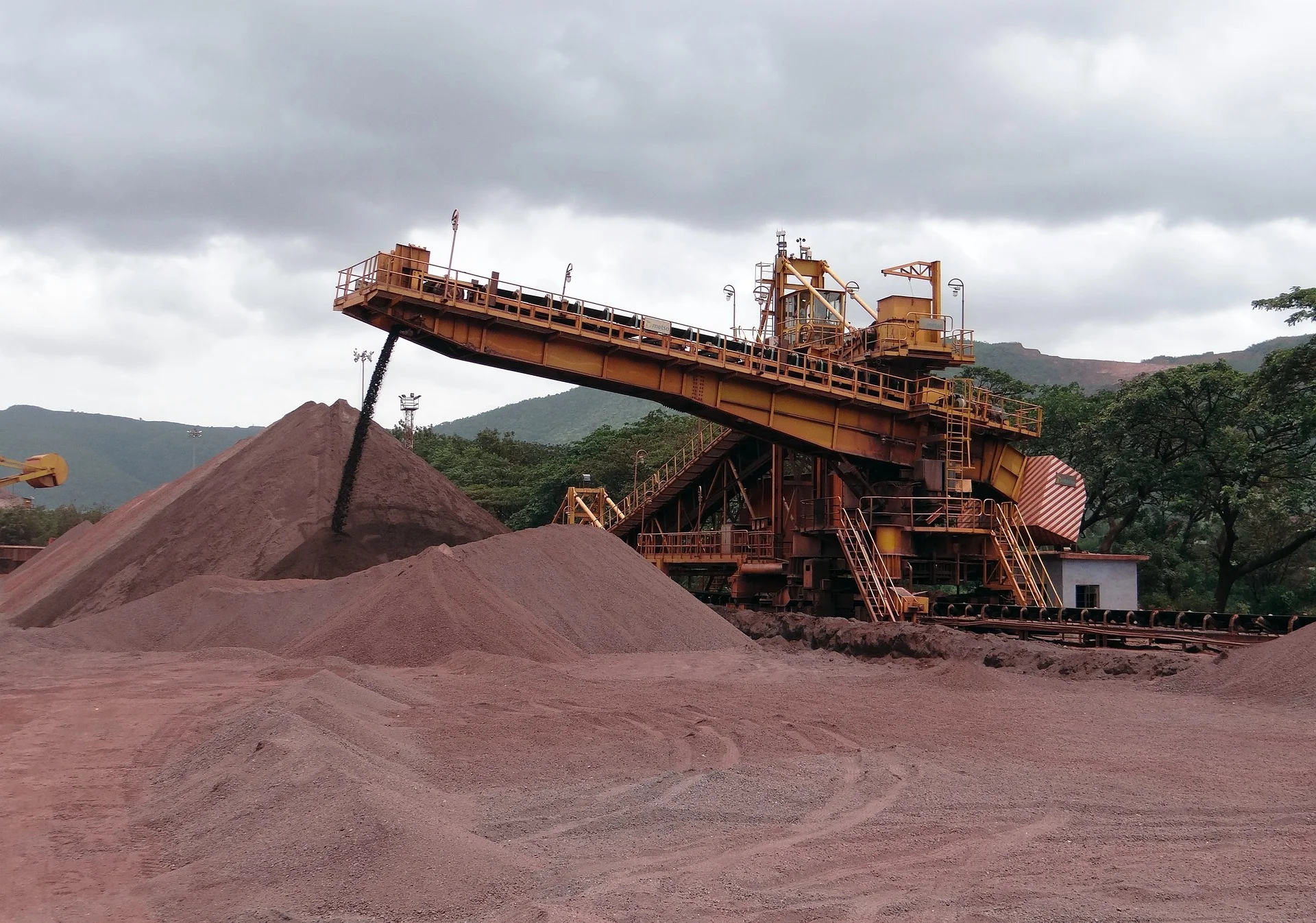
In heavy process industries—ranging from open-pit mining, subsea dredging, and maritime port logistics to high-pressure washdown chemical plants and flood-exposed municipal pumping stations—electric motors face aggressive environmental hazards. Standard industrial enclosures rated IP55 or IP66 frequently fail when exposed to temporary submersion, severe tropical deluges, or particulate slurry infiltration. This technical guide examines the design principles, thermal dynamics, testing protocols, and procurement parameters for IP67 industrial motors.
1.1 Deconstructing the IP67 Ingress Protection Rating (IEC/EN 60529)
The Ingress Protection (IP) rating system, standardized under IEC/EN 60529 and NEMA 250, defines the exact degree of sealing provided by mechanical enclosures against solid objects and liquids. For an industrial motor rated IP67, the two numerical digits carry strict engineering requirements:
- First Characteristic Digit "6" (Dust-Tightness): Represents absolute protection against solid foreign objects. The motor enclosure is subjected to continuous vacuum underpressure (2 kPa) inside a dust chamber filled with talcum powder for up to 8 hours. Zero dust ingress is permitted into the stator winding chamber, bearing housings, or terminal box assembly.
- Second Characteristic Digit "7" (Immersion Protection): Specifies protection against harmful water ingress when the motor is completely submerged under defined pressure and time conditions. Standard test parameters mandate continuous immersion in water at a depth of 1 meter for a duration of 30 minutes, with the motor temperature balanced to within 5K of the water temperature to prevent thermal vacuum suction.
1.2 Comparative Ingress Protection Topology Matrix
Global procurement teams frequently confuse IP65, IP66, IP67, and IP68 ratings when issuing RFQs for industrial drives. The comparison below clarifies their operational boundaries:
| IP Rating | Solid Ingress Standard | Liquid Ingress Standard | Primary Failure Mode in Non-Rated Units |
|---|---|---|---|
| IP55 | Dust protected (limited ingress) | Protected against water jets (12.5 L/min) | Fine abrasive particulate degradation of bearing grease |
| IP66 | Dust tight (zero particulate ingress) | Powerful water jets (100 L/min at 100 kPa) | Dynamic shaft seal breakdown under high-velocity water impact |
| IP67 | Dust tight (100% vacuum chamber sealed) | Temporary immersion (1m depth for 30 min) | Thermal contraction vacuum drawing water through shaft seals |
| IP68 | Dust tight (100% vacuum chamber sealed) | Continuous submersion under manufacturer pressure spec | Hydrostatic head breakdown of static flange O-rings |
1.3 Mechanical Sealing Topologies & Vacuum Pressure Impregnation (VPI)
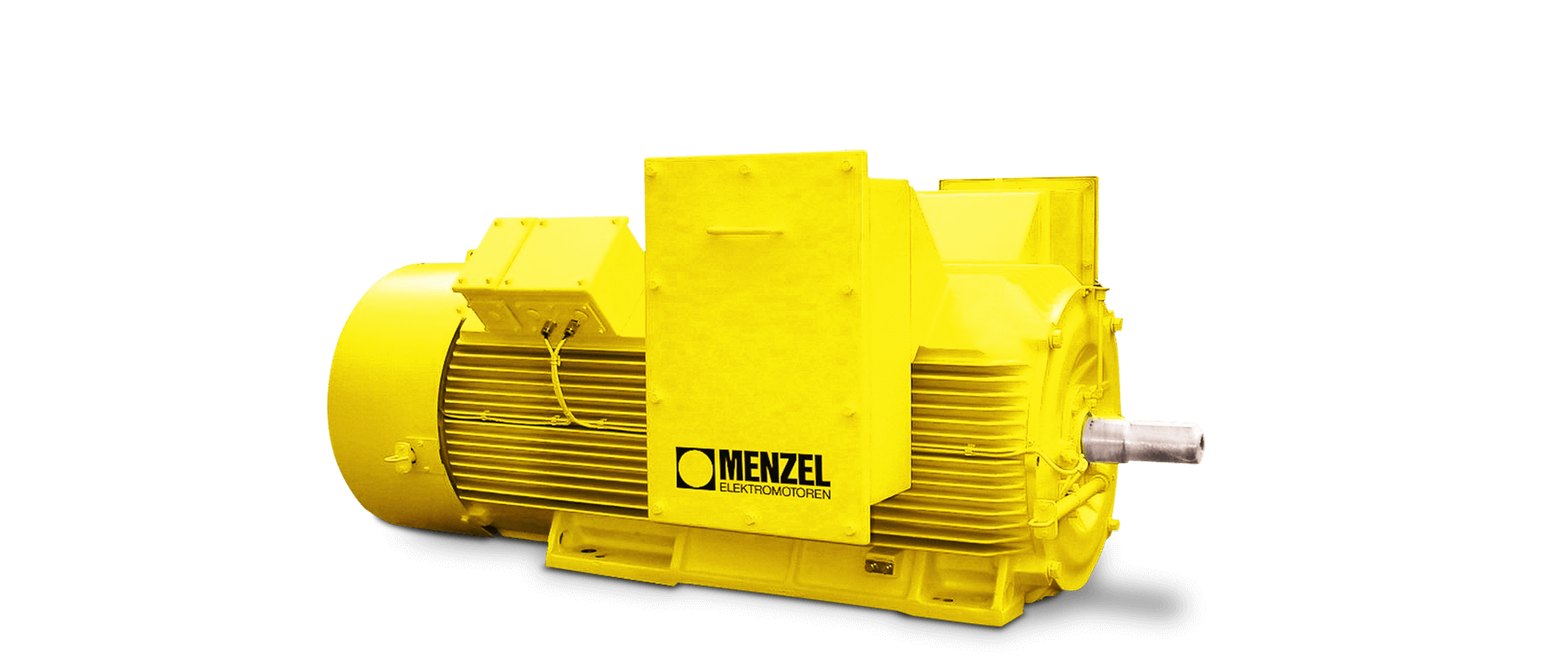
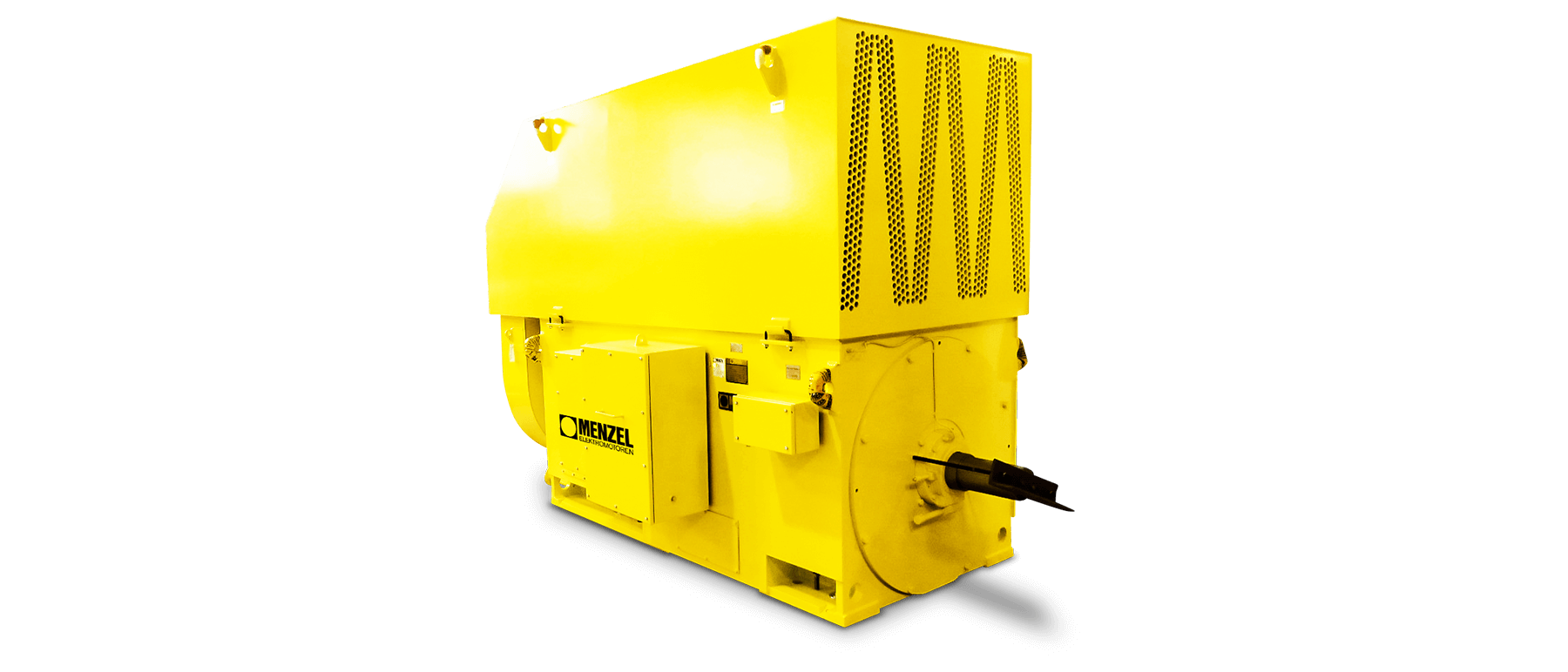
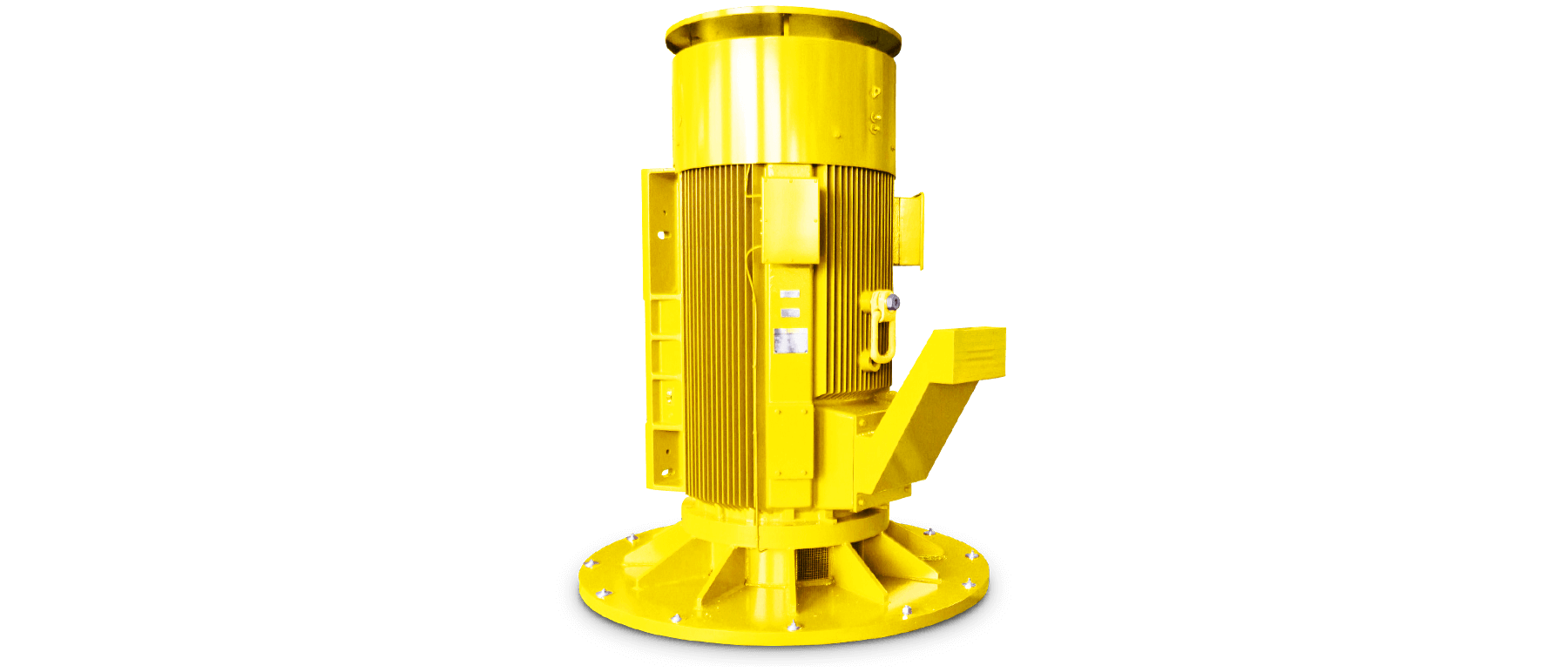
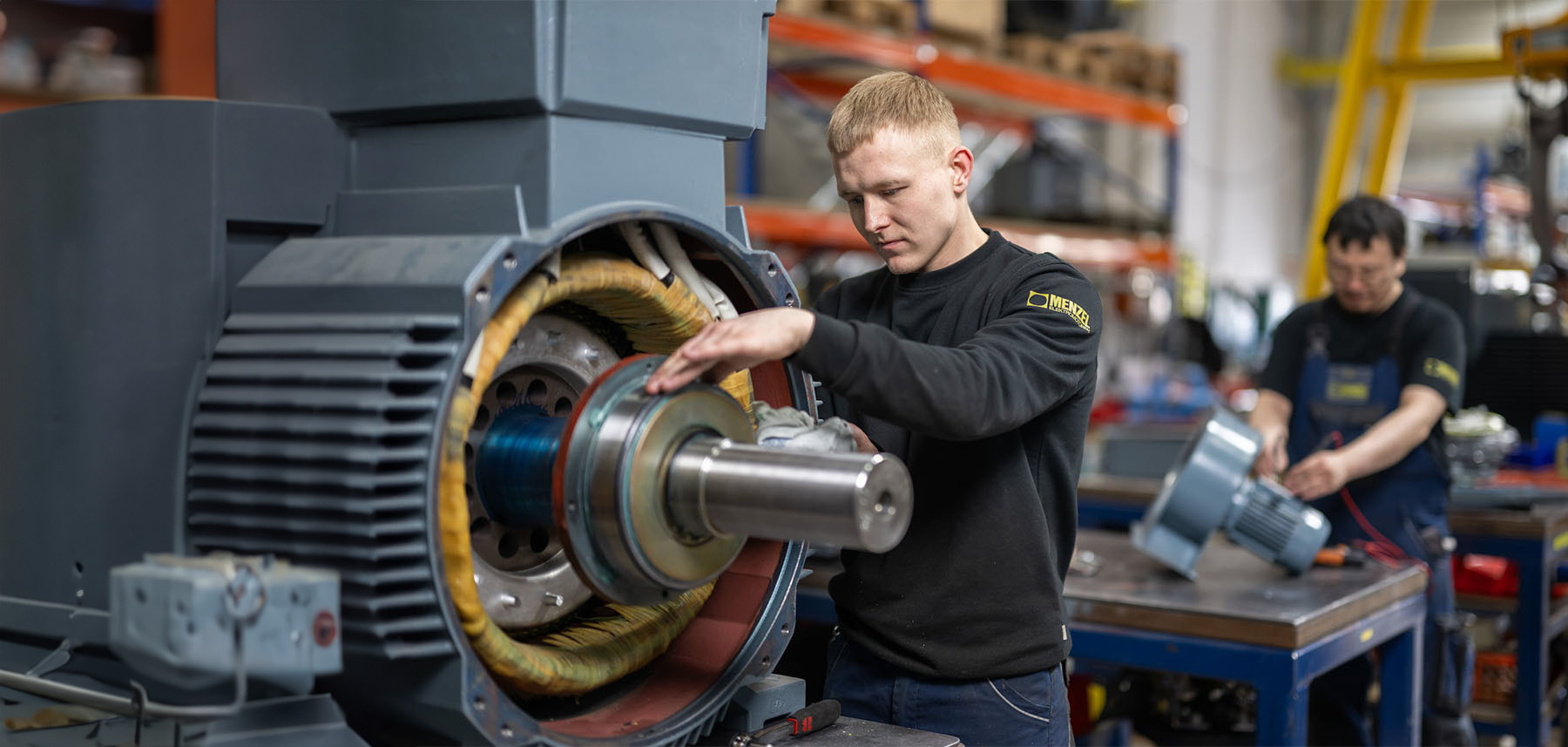
Designing heavy-duty IP67 industrial electric motors requires multi-layered mechanical barriers. Standard lip seals are insufficient for large frame sizes (315 to 1120 mm shaft heights). Menzel Elektromotoren engineers employ three advanced sealing mechanisms:
- Dual Viton Mechanical Radial Seals with Oil-Filled Buffer Chambers: Prevents fluid entry along the rotating shaft while maintaining dynamic lubrication even during extended standstill periods.
- Pressure-Balanced Hermetic Terminal Boxes: Machined terminal boxes equipped with compound resin gland plates, internal double O-ring grooves, and pressure-compensating bladders to eliminate atmospheric thermal breathing.
- Vacuum Pressure Impregnation (VPI) Resin Barriers: Stator coils are wound with Class H mica insulation and subjected to multi-stage VPI using modified solventless epoxy resin. This coats the copper conductors in a solid, non-porous dielectric mass impervious to moisture and chemical attack.