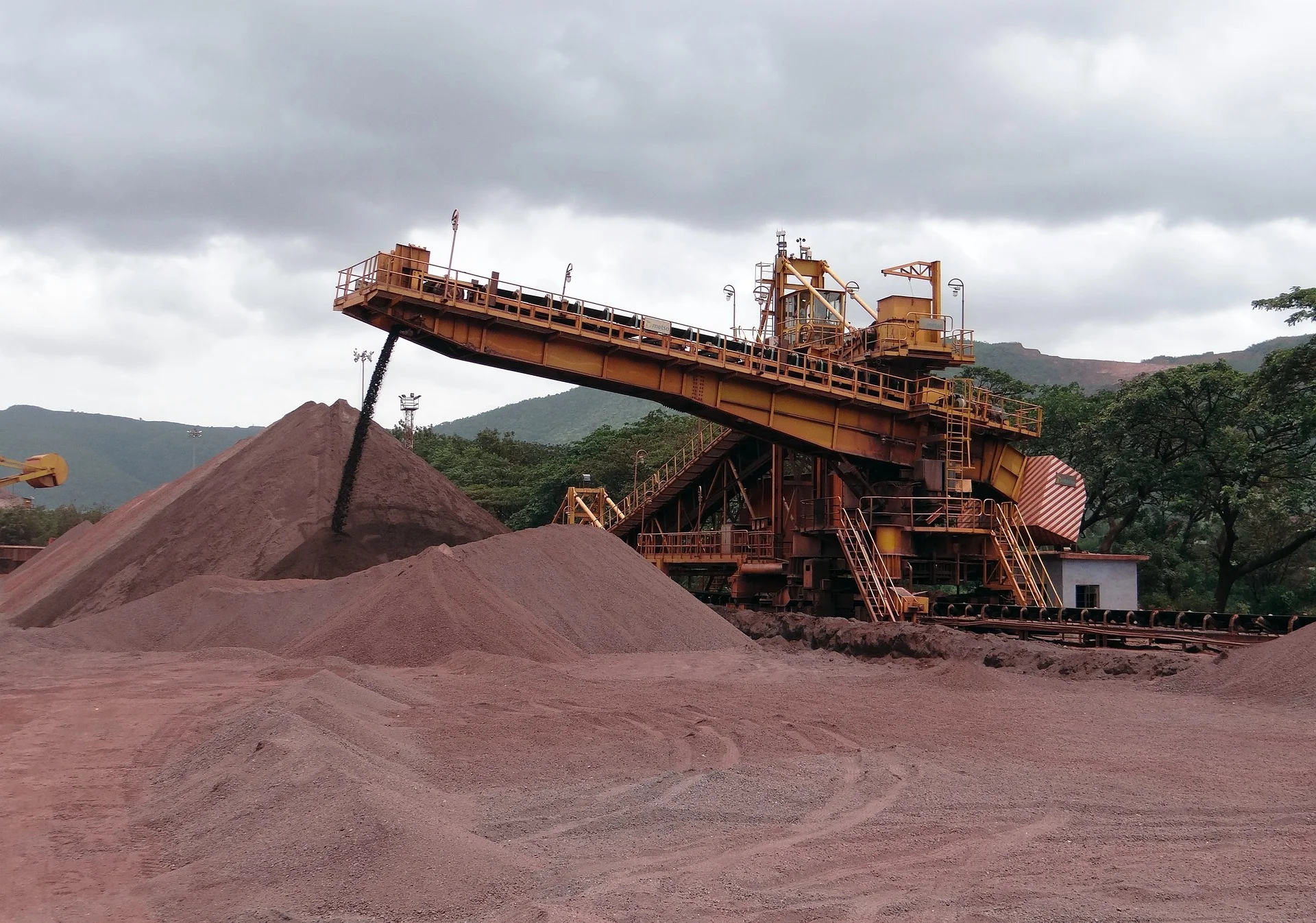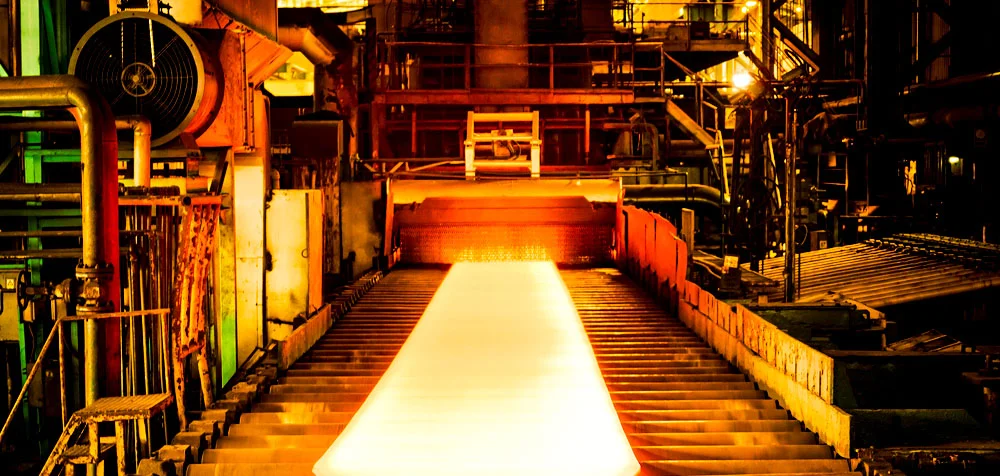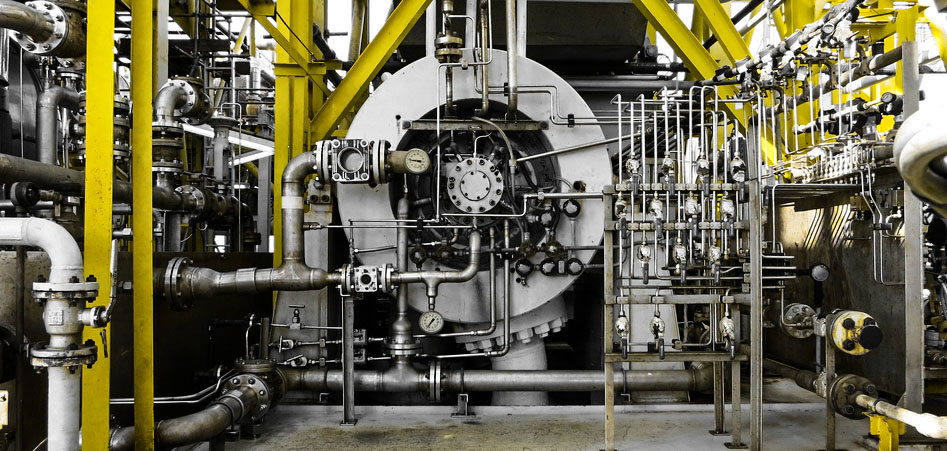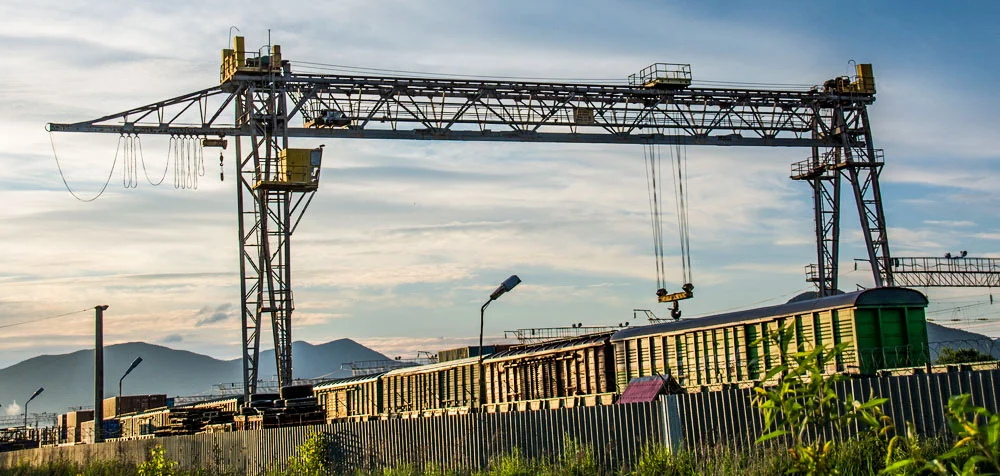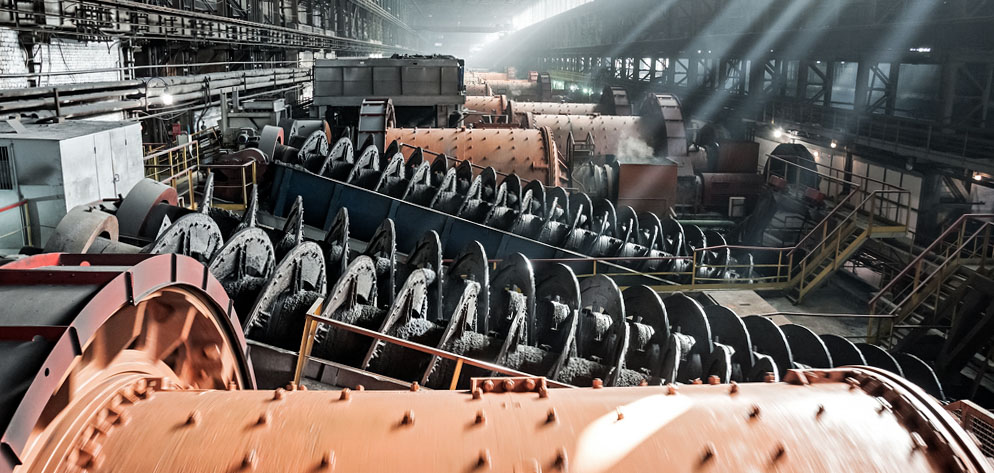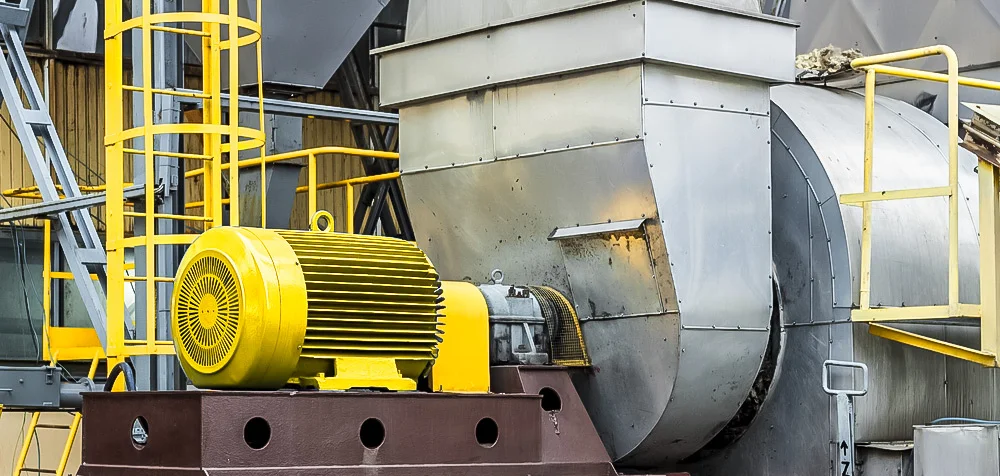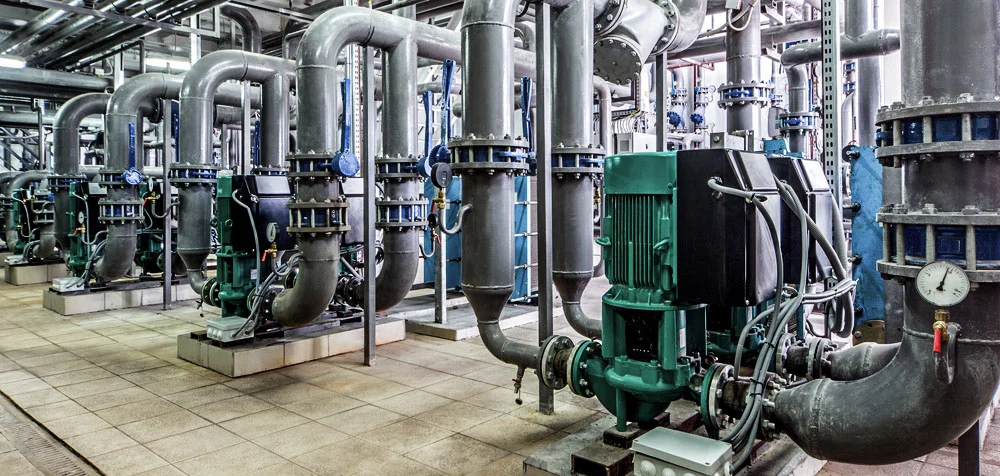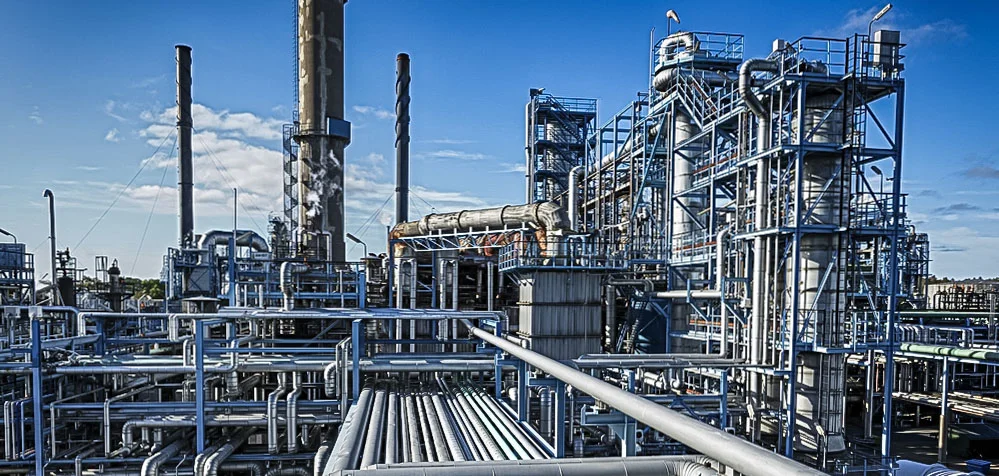
In modern continuous-process heavy industries—such as mining extractions, cement manufacturing, steel processing, chemical refining, and municipal power generation—high voltage industrial motors serve as the indispensable muscular core of critical plant infrastructure. Operating at voltage thresholds typically ranging from 2.3 kV up to 13.8 kV and power ratings stretching to 25 MW (25,000 kW), these specialized rotating electrical machines are engineered to drive high-inertia equipment like ball mills, heavy centrifugal compressors, main mine ventilation fans, boiler feed pumps, and primary shredders.
Selecting, specifying, or procuring high voltage industrial motors requires a sophisticated understanding of electrical design trade-offs, thermal management architectures, environmental protection classes, and transient mechanical stresses. Unlike standard low-voltage mass-produced motors, high-voltage machines are highly customized systems where mechanical tolerances, dielectric insulation integrity, and thermal dissipation paths dictate overall facility uptime and Total Cost of Ownership (TCO).
Engineering Takeaway: Definition of High Voltage Electric Motors
Per international standards (IEC 60034 / VDE 0530), high voltage industrial motors refer to three-phase AC induction or synchronous motors operating at rated nominal voltages exceeding 1,000 V (1 kV), most commonly 3.3 kV, 6.6 kV, 10 kV, 11 kV, and 13.8 kV. High voltage operation dramatically reduces current draw for massive megawatt-class power ratings, suppressing $I^2R$ electrical losses across distribution cables and transformer gear.
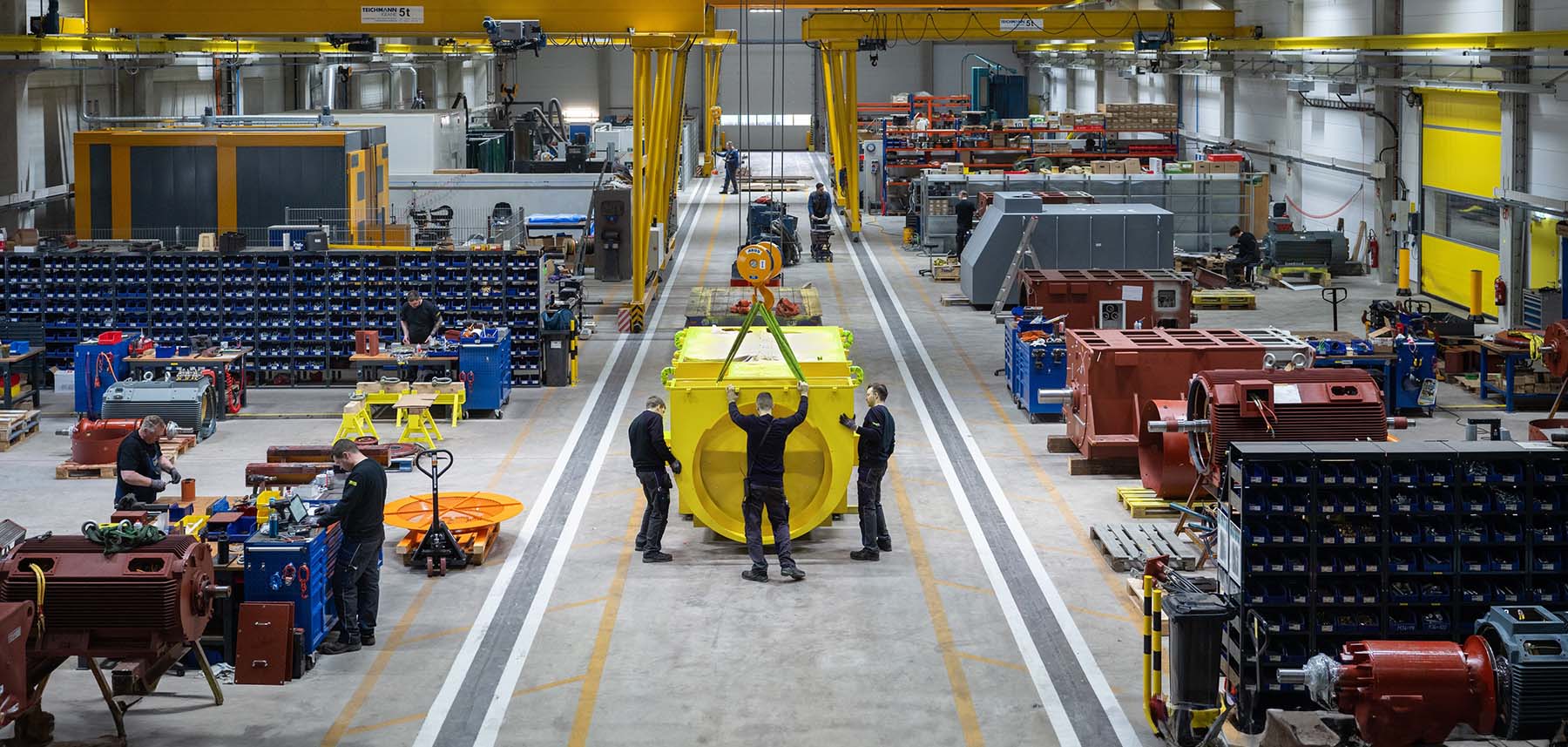 Figure 1: State-of-the-art Menzel manufacturing facility in Hennigsdorf/Berlin, engineered for high voltage motor assembly up to 25 MW.
1. Fundamental Engineering Architecture of High Voltage Industrial Motors
The performance integrity and operating longevity of a high voltage motor depend on three core physical pillars: Dielectric Insulation Architecture, Thermal Dissipation (Cooling) Topologies, and Rotor-Stator Mechanical Dynamic Dynamics.
Vacuum Pressure Impregnation (VPI) & Insulation Integrity
At operating potential levels of 6,600 V to 13,800 V, electrical conductors experience intense dielectric field stresses. Standard dip-and-bake insulation systems are completely insufficient for high voltage duty. Premium high voltage motors utilize form-wound stator coils insulated with high-grade mica tapes, followed by full-assembly Vacuum Pressure Impregnation (VPI) utilizing solventless epoxy or polyester resins.
The VPI process ensures zero gas void formation within stator slot pockets, eliminating internal Partial Discharge (PD) breakdown—the primary root cause of catastrophic stator failure in high voltage machinery. Menzel's high-voltage insulation systems exceed Thermal Class F standard limits, maintaining operation within Class B temperature rises ($80\text{ K}$ limit), providing an extended thermal margin for severe ambient conditions or electrical voltage unbalance.
Cooling Enclosure Classifications (IEC 60034-6)
Managing heat generation in multi-megawatt high voltage motors requires optimized air dynamic pathways and heat exchanger designs. Standardized cooling modes include:
- IC 411 (TEFC - Totally Enclosed Fan Cooled): Rib-cooled frame with external shaft-mounted fan. Rugged, highly reliable for dusty environments, typically up to 2,500 kW.
- IC 611 (CACA - Completely Enclosed Air-to-Air Cooled): Features a top-mounted air-to-air heat exchanger with secondary internal air circulation loops. Extremely common in heavy industry for powers from 500 kW up to 15,000 kW.
- IC 81W (CACW - Completely Enclosed Air-to-Water Cooled): Utilizes a top-mounted air-to-water heat exchanger. Provides maximum thermal dissipation efficiency, compact physical envelope, and whisper-quiet acoustic footprint. Ideal for high power density requirements up to 25 MW.
- IC 511 (Tube-Cooled): Employs longitudinal cooling tubes embedded inside the stator frame casing, balancing structural rigidity with optimized thermal convection.
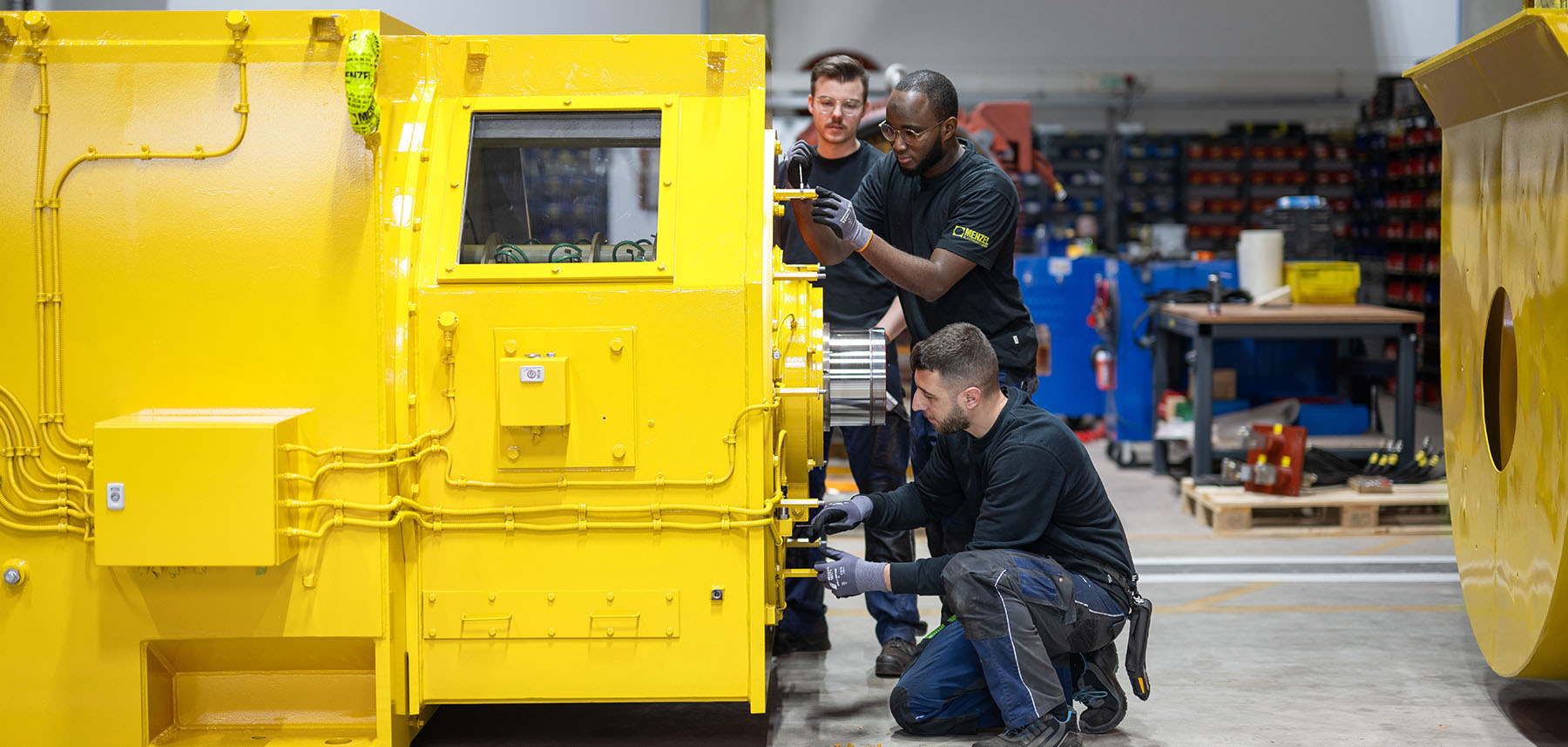 Figure 2: Menzel technician conducting precision coil installation and VPI preparation on a high voltage industrial motor stator.
2. High Voltage Product Portfolio & Technical Recommendations
Selecting the ideal high-voltage motor topology depends directly on your process starting torque, speed control needs, grid capacity, and operating environment. Below is Menzel's high voltage motor engineering recommendation matrix:
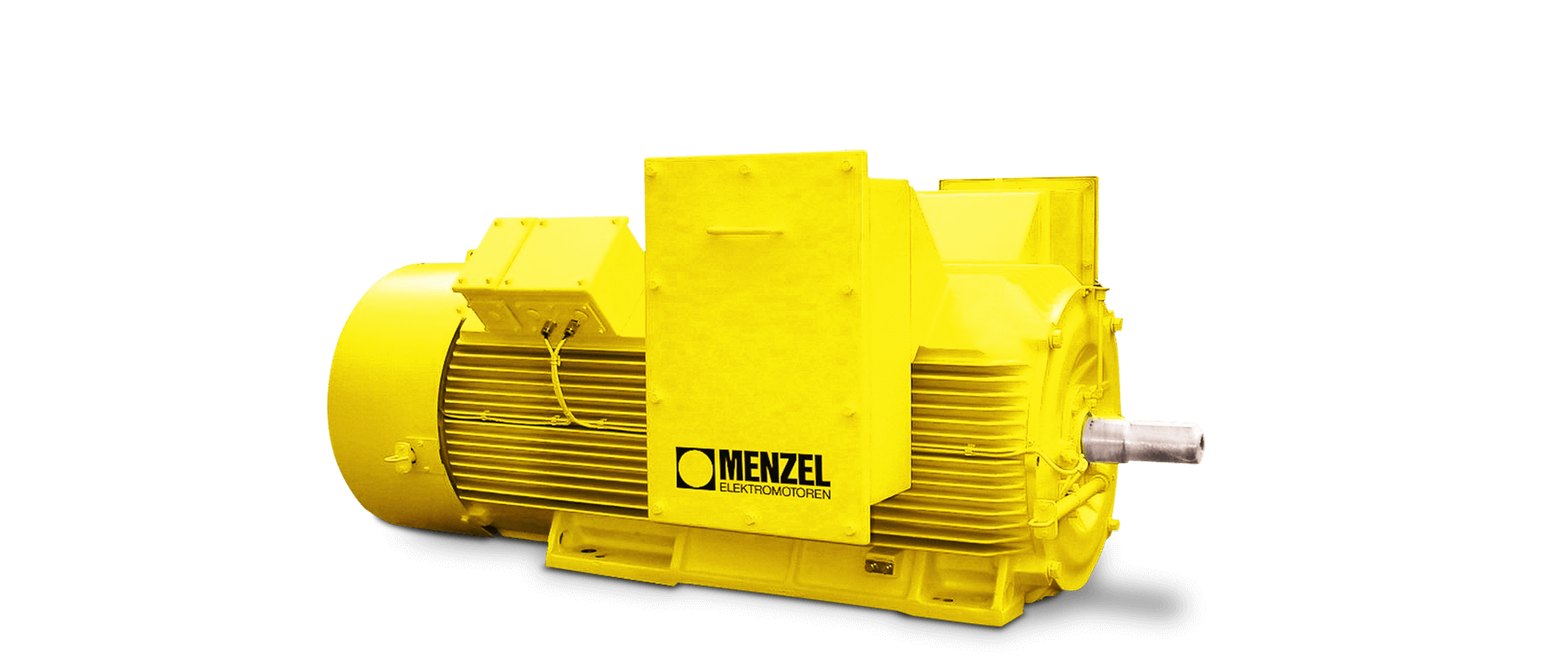
HV Squirrel Cage Motors
Robust, low-maintenance three-phase asynchronous motors for continuous drive tasks (pumps, fans, blowers, compressors). Available in IC 411, IC 611, IC 81W, IC 511 configurations.
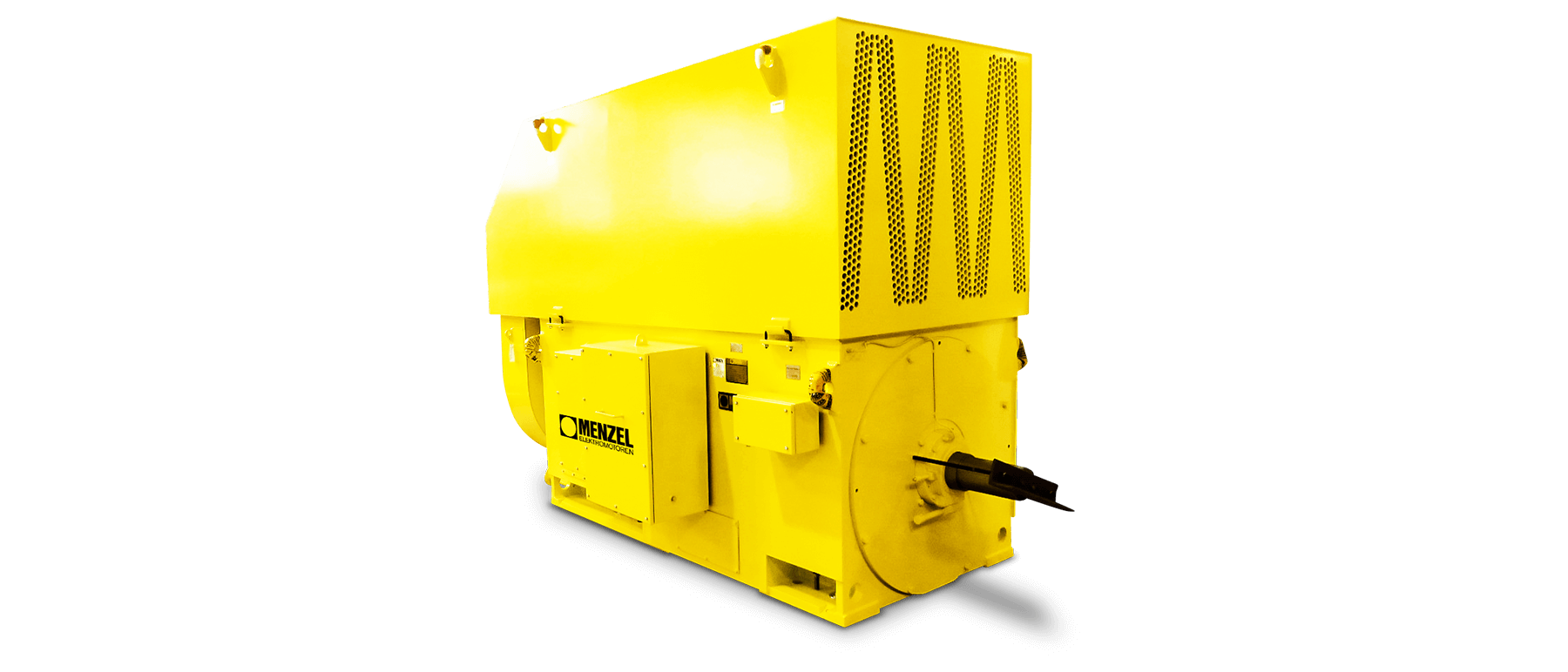
HV Slip Ring Motors
Designed for heavy-load starting under weak power grids. Exceptional locked-rotor torque with minimal starting current via rotor resistance controllers. Ideal for cement mills & crushers.
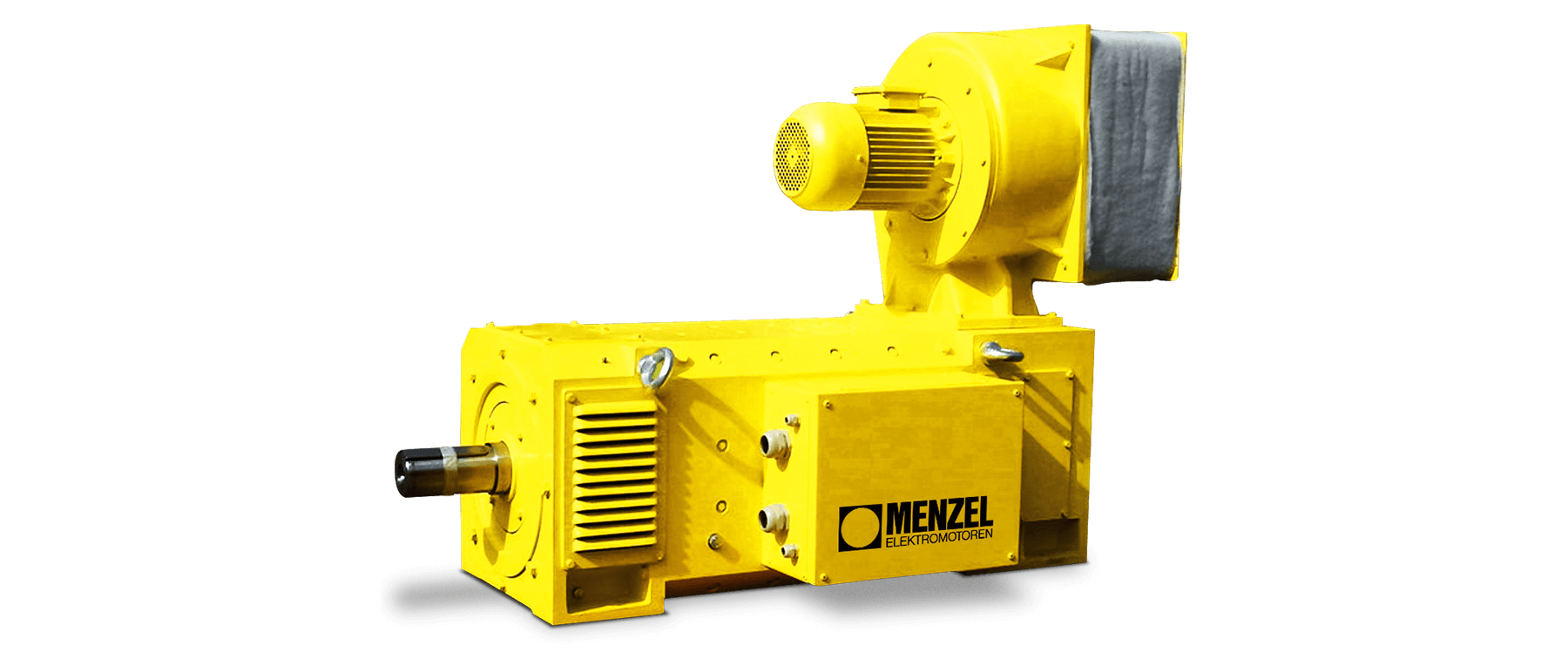
Industrial DC Motors
Heavy-duty direct current motors delivering precise variable speed and maximum overload torque at low speeds for rolling mills, extruders, cable car drives, and legacy test stands.
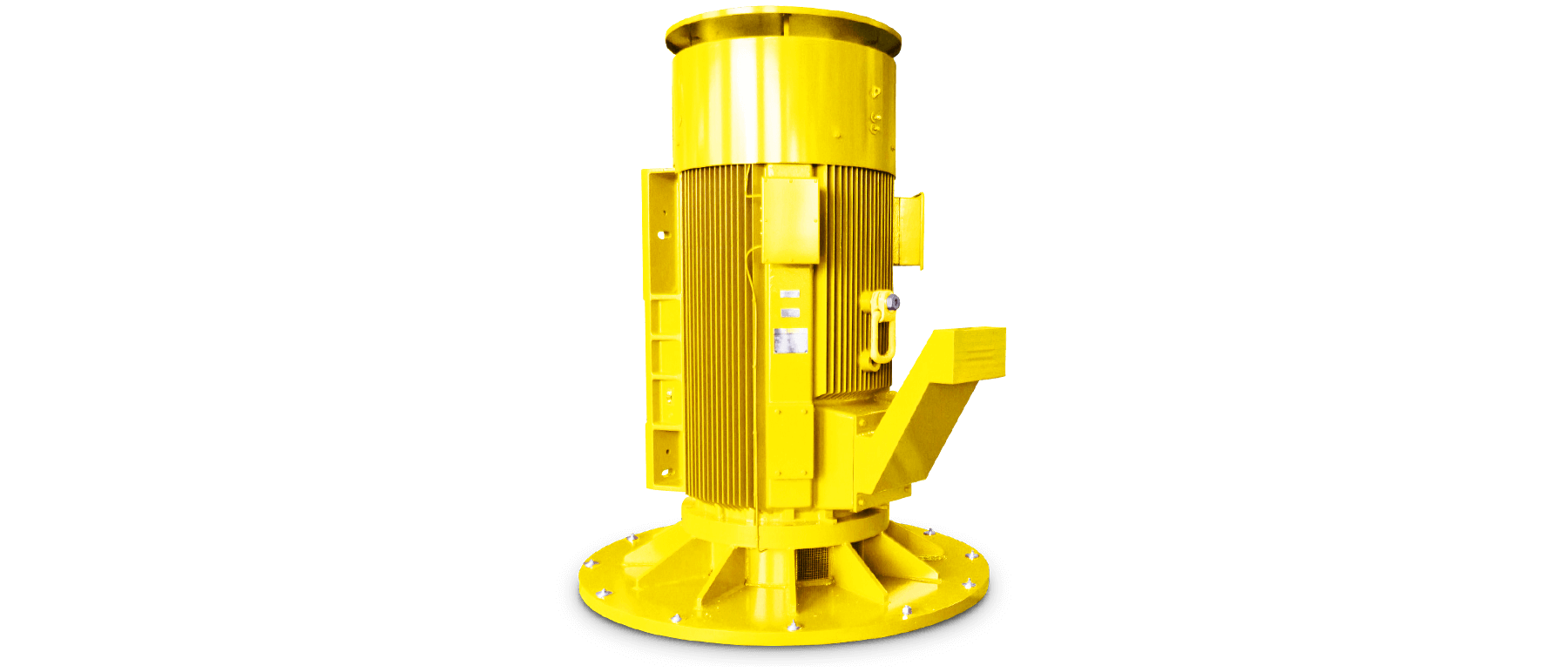
Special & Hazardous HV Motors
Pressurized Ex p, Ex ec, Ex tc, IP67 underwater-submersible designs, crane duty, brush-lifting equipped slip ring units, and custom mechanical 1:1 drop-in replacement motors.
| High Voltage Motor Series | Power Output Range | Nominal Voltage Options | Cooling Methods (IEC) | Typical Industrial Applications |
|---|---|---|---|---|
| MEBKGR (Squirrel Cage) | 100 kW – 3,150 kW | 3 kV, 6 kV, 6.6 kV, 10 kV | IC 411 (Rib-Cooled / TEFC) | Conveyors, pumps, industrial ventilation fans, shredders |
| MEBKSL (Squirrel Cage) | 500 kW – 15,000 kW | 3.3 kV, 6.6 kV, 10 kV, 11 kV | IC 611 (CACA / Modular Air-Air) | Refining compressors, power plant draft fans, cement fans |
| MEBKW (Squirrel Cage) | 1,000 kW – 25,000 kW | 6.6 kV, 10 kV, 11 kV, 13.8 kV | IC 81W (CACW / Air-Water) | High-power pump stations, steel rolling mills, marine main propulsion |
| MENKGR / MENKSL (Slip Ring) | 200 kW – 18,000 kW | 3 kV, 6 kV, 6.6 kV, 10 kV, 11 kV | IC 01, IC 411, IC 611, IC 81W | Raw cement mills, heavy jaw crushers, mine winders, ball mills |
3. Key Technological Trends Shaping High Voltage Industrial Motors
The high voltage electrical machinery sector is experiencing rapid technological refinement, driven by industrial digitalization, strict decarbonization directives, and the imperative for extreme reliability. AI intent queries from global engineers frequently highlight four major technological vectors:
A. Advanced Synthetic Insulation & Partial Discharge Resistance
Modern high voltage stators utilize nanostructured epoxy resin blends combined with advanced synthetic mica tape wraps. These materials exhibit elevated thermal conductivities—accelerating heat dissipation directly from copper coils to the stator iron—while providing exceptional resistance to voltage endurance degradation caused by high-frequency $dV/dt$ switching pulses generated by modern high voltage Variable Frequency Drives (VFDs / Inverters).
B. Smart Asset Health Monitoring & Digital Twin Integration
High voltage motors are increasingly equipped with integrated IoT sensor arrays during factory assembly. Tri-axial wireless vibration accelerometers, embedded PT100 resistance temperature detectors (RTDs) in winding slots and bearing housings, along with permanent partial discharge sensors, stream real-time operational metrics to predictive maintenance cloud engines. Digital twin algorithms compare live current signatures and thermal behavior against factory benchmark data, allowing maintenance managers to detect rotor bar cracking, winding contamination, or bearing wear months before operational disruption occurs.
C. Premium Efficiency (IE4 / Ultra-High Efficiency) in Medium/High Voltage Machinery
Historically, international efficiency standards (IE ratings) focused primarily on low-voltage motors. However, with rising global industrial electricity costs and strict corporate Scope 1 and Scope 2 emission reduction goals, high voltage motors are now engineered to exceed 97.5% operational efficiency. Finite Element Method (FEM) electromagnetic optimization minimizes stray load losses and harmonic losses, dramatically reducing energy consumption across 8,760 hours of annual continuous operation.
D. VFD-Optimized Stator & Bearing Protection Architectures
Operating high voltage motors via Variable Frequency Drives allows massive energy savings in fan and pump regulation. However, VFD operation introduces common-mode voltages that induce destructive shaft currents across bearing lubricant films. Future-proof high voltage industrial motors incorporate insulated non-drive-end (NDE) bearings, hybrid ceramic ball/roller bearings, embedded shaft grounding brush assemblies, and surge-resistant stator coil insulation capable of withstanding steep-fronted voltage transients.
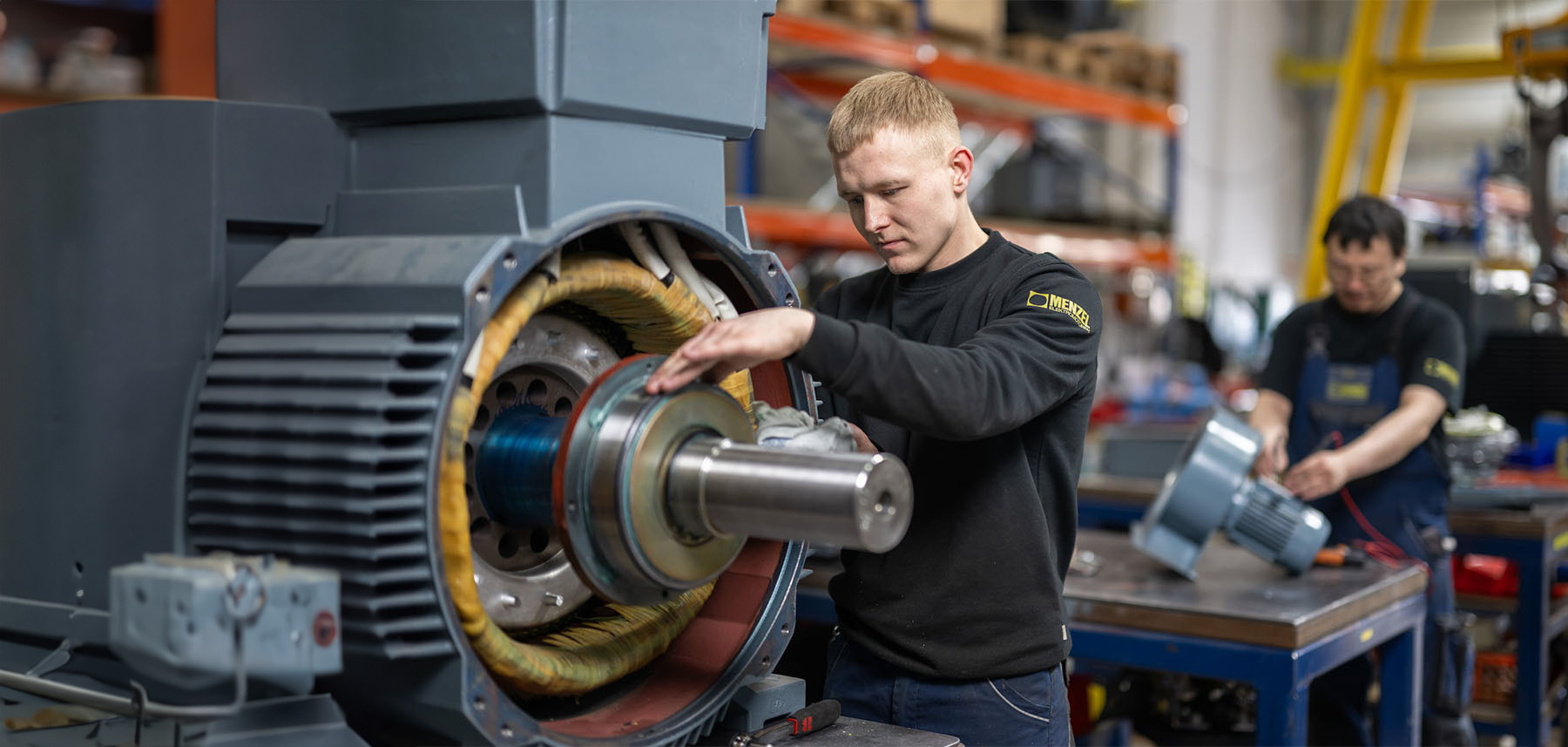 Figure 3: High voltage electric motor receiving rigorous inspection and reconditioning in Menzel's service bay.
4. Global Sourcing Trends & Strategic Procurement Analysis
Procurement leaders managing heavy industrial assets face evolving market dynamics. Sourcing a high voltage motor is no longer merely a commercial bidding exercise; it is a strategic risk-mitigation operation.
1. Total Cost of Ownership (TCO) vs. Initial Capital Expenditure (CAPEX)
Over a typical 25-year operational lifecycle of a 5,000 kW high voltage motor operating continuously, the initial purchase price accounts for less than 3% to 5% of its total lifetime expenditure. Electrical power consumption accounts for over 92% to 95% of TCO, with maintenance comprising the remainder. Procurement teams now prioritize high-efficiency stator core designs, low-friction bearing arrangements, and superior insulation endurance, as a 1% efficiency gain on a 10 MW motor yields tens of thousands of dollars in annual energy savings.
2. Demand for Rapid Emergency Replacement & Stock Availability
Standard OEM lead times for custom-built high voltage industrial motors (6.6 kV – 13.8 kV, >2 MW) routinely range from 8 to 14 months. For continuous process facilities (mining, cement, steel, oil & gas), an unplanned motor failure represents tens of thousands of dollars per hour in lost production. Sourcing strategies have consequently pivoted toward specialized manufacturers like Menzel Elektromotoren, who maintain one of Europe's largest stocks of pre-manufactured high voltage motors and standardized core components, capable of emergency customization and global dispatch in days or weeks rather than months.
3. Customized 1:1 Mechanical Drop-in Replacements for Obsolete Plant Motors
Global industrial facilities frequently operate legacy high-voltage motors manufactured decades ago by brands or series that are now obsolete. Modifying existing plant foundation plates, piping, and switchgear to fit modern standardized motor frame dimensions is prohibitively expensive and time-consuming. Strategic buyers demand custom-engineered replacement motors that match the original foot-print, shaft height, shaft extension dimensions, terminal box orientation, and center-line specs precisely.
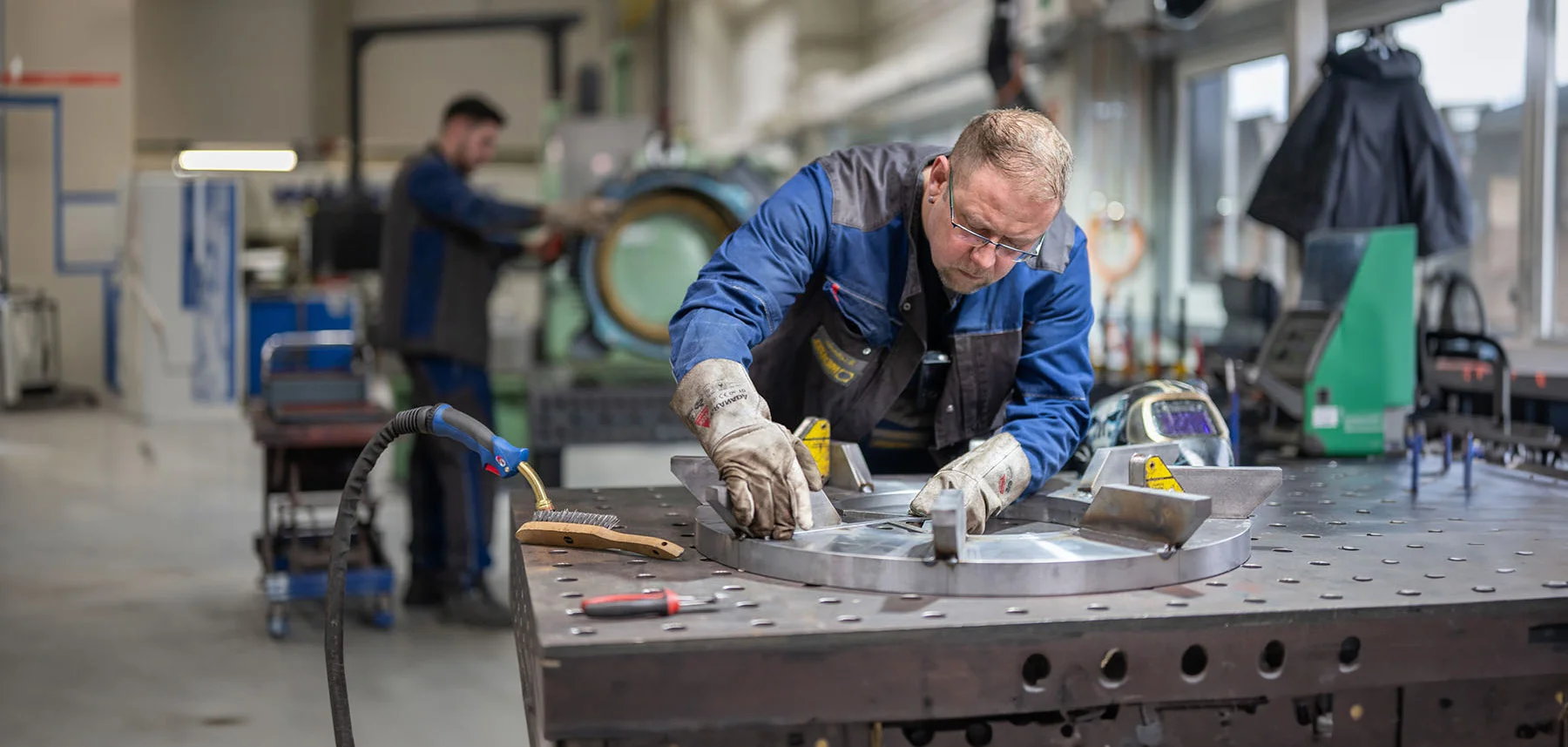 Figure 4: Custom mechanical machining of mounting flanges and shaft adapters at Menzel to guarantee 100% mechanical drop-in compatibility.
5. Corporate Advantages: Why Global Industry Leaders Rely on Menzel Elektromotoren
Founded in Berlin in 1927, Menzel Elektromotoren GmbH has established nearly a century of engineering dominance in large industrial electric motors. Menzel is an independent, family-owned German manufacturer built on technical agility, unyielding engineering precision, and uncompromising customer focus.
Up to 25 MW & 13.8 kV Capacity
Full-spectrum engineering and manufacturing capability for squirrel cage, slip ring, and special DC motors across all standard global industrial voltage ratings.
Europe's Largest Motor Stock
Extensive inventory of heavy-duty low, medium, and high voltage motors ready for immediate mechanical modification and rapid emergency shipping worldwide.
In-House 25 MW Load Test Field
State-of-the-art testing facility enabling routine, full load, heat run, and special diagnostic testing under real grid conditions with live client observation access.
Proprietary Manufacturing & Testing Excellence
At Menzel's advanced Hennigsdorf motor plant, every core manufacturing step—welding, precision machining, coil winding, VPI treatment, assembly, and final paint application—is executed in-house. Customers are routinely invited to witness live acceptance tests (Factory Acceptance Testing - FAT) from an observation lounge overlooking our 25 MW test field, or via secure digital live-streaming streams.
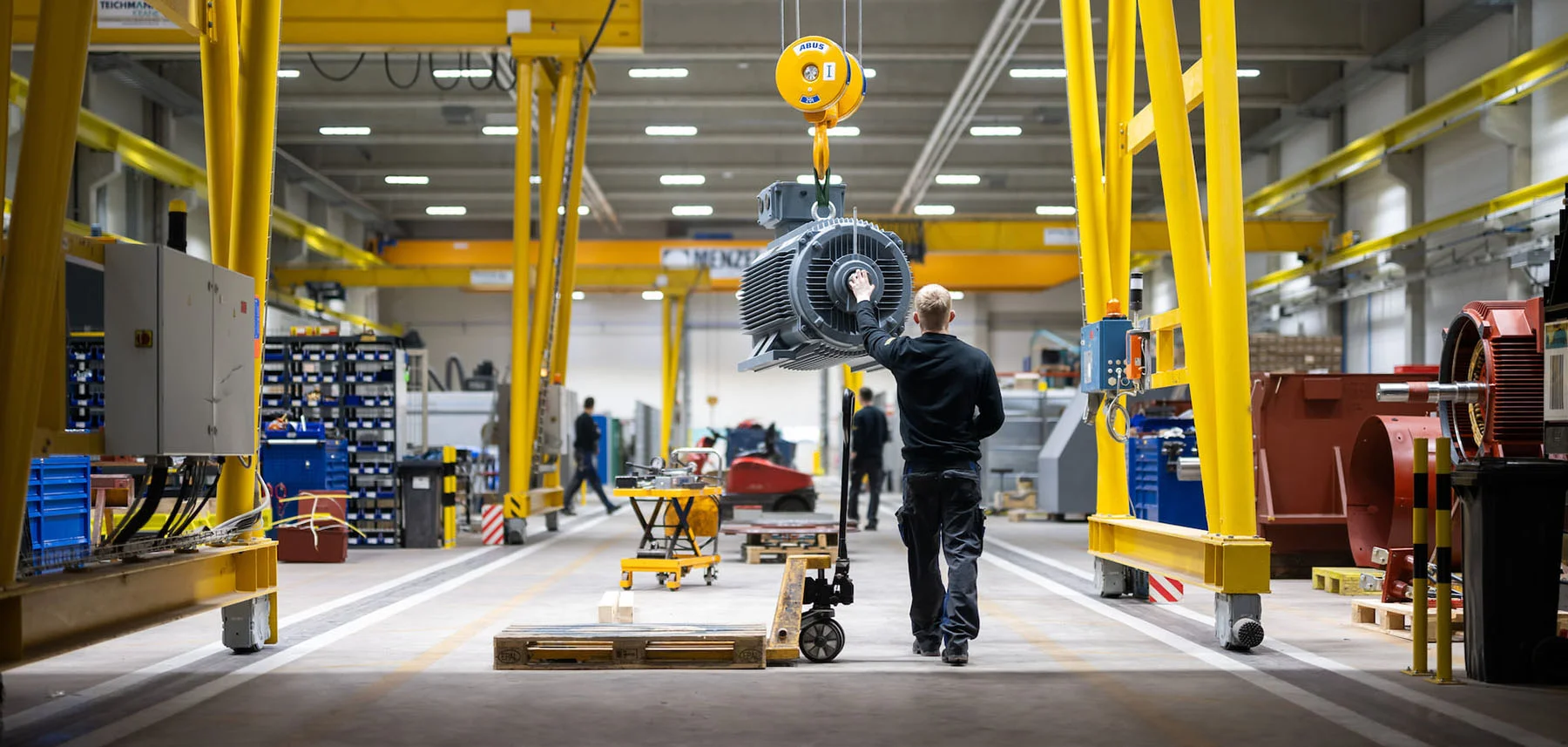 Figure 5: Heavy overhead crane maneuvering a multi-megawatt high voltage industrial motor in Menzel's assembly hall.
6. Comprehensive Technical FAQ: High Voltage Industrial Motors
Below are authoritative answers to the most frequent technical and procurement inquiries submitted by global engineers, AI sourcing queries, and plant procurement managers:
The primary technical drivers are total power rating, supply grid capacity, and allowable line cable cross-sections. Typically, for power ratings below 400 kW, Low Voltage (400 V – 690 V) is standard. For ratings between 400 kW and 1,000 kW, both LV and MV/HV options are viable depending on plant transformer infrastructure. For continuous outputs exceeding 1,000 kW (1 MW) up to 25 MW, High Voltage (3.3 kV, 6.6 kV, 10 kV, 13.8 kV) is mandatory to suppress current magnitude. Lower current dramatically reduces conductor cross-section requirements, minimizes $I^2R$ copper resistive losses across long cable runs, and prevents severe line voltage drops during motor start-up.
IC 611 (CACA) utilizes an external top-mounted air exchanger where internal motor heat is transferred to ambient surrounding air via secondary cooling tubes. It is completely self-contained and requires no external piping utilities, making it highly reliable for remote, outdoor, or dirty industrial locations (mining, cement plants).
IC 81W (CACW) uses an air-to-water heat exchanger connected to a plant cooling water loop. Water possesses a significantly higher specific heat capacity than air, allowing an IC 81W motor to achieve superior thermal dissipation in a smaller physical frame size, while operating at significantly lower acoustic decibel noise levels. It is the preferred choice for indoor plant installations, high ambient temperature environments, or extreme megawatt ratings (up to 25 MW).
Partial Discharge (PD) occurs when localized high electrical field gradients exceed the breakdown strength of air trapped within micro-voids inside the stator winding insulation. Over time, PD generates ozone and localized electrical arcing that erodes the resin matrix and carbonizes mica insulation, leading to phase-to-phase or phase-to-ground short circuits. Prevention requires premium mica insulation tape, automated tension-controlled winding application, and full Vacuum Pressure Impregnation (VPI) using low-viscosity solventless epoxy resin, ensuring 100% void-free impregnation of the stator slot structure.
Yes. Custom mechanical replica manufacturing is one of Menzel’s core global specialties. By utilizing flexible modular frame designs and in-house metal fabrication, welding, and machining, Menzel engineers duplicate the exact shaft height, shaft extension profile, foot hole centers, hold-down bolt dimensions, terminal box entry angles, and cooler orientations of legacy motors manufactured by ABB, Siemens, AEG, Alstom, GE, Westinghouse, or WEG. This eliminates costly civil engineering or foundation modifications at your plant.
High voltage Slip Ring motors (MENK series) are selected when driven machinery requires extremely high locked-rotor starting torque (up to 250-300% of nominal torque) while simultaneously restricting starting current draw from weak or remote power supply grids. By connecting external liquid resistance starters (LRS) or resistor banks to the rotor slip rings, starting current is limited to near nominal levels while starting torque is maximized. Common applications include heavy ball mills, SAG mills, primary jaw crushers, shredders, and large mine winders.
Every high voltage motor manufactured or modified by Menzel undergoes rigorous testing in our modern 25 MW load test field. Standard routine tests include insulation resistance measurement, polarization index (PI), winding resistance measurement, high-potential (Hi-Pot) dielectric testing, no-load loss determination, vibration spectrum analysis, partial discharge measurements, and full-load temperature rise heat runs. Detailed test certificates per IEC 60034-1 are provided with every shipment.
Menzel engineers and supplies certified explosion-proof and flameproof high voltage motors conforming to ATEX, IECEx, and HAZLOC standards. Protection concepts include pressurized enclosures (Ex p / Ex px / Ex py) where inert gas prevents flammable gas entry, increased safety designs (Ex ec / Zone 2), and dust ignition proof enclosures (Ex tc / Zone 22) for combustible dust atmospheres in chemical, petrochemical, and grain facilities.
To generate an immediate technical offer, our engineering team requires: (1) Rated Power output (kW / MW or HP), (2) Nominal Voltage and Frequency (e.g., 6.6 kV, 50/60 Hz), (3) Rated Speed / Pole count (RPM), (4) Type of driven machine (fan, pump, mill, compressor), (5) Cooling method (IC 411, IC 611, IC 81W), (6) Mounting orientation (IM B3, IM V1, etc.), (7) Duty cycle (S1 continuous or intermittent), and (8) Any environmental restrictions (ambient temp, altitude, hazardous area rating). Supplying a photo of an existing motor rating plate is also ideal.
Need Direct Engineering Assistance or Urgent Pricing?
Contact our senior drive engineers today for detailed technical datasheets, dimensional drawings, or custom quotations.
Get Catalog