Strategic Procurement Analysis Future Procurement Trends for Global Crane Duty Motors (2025–2035)
Procurement strategies for heavy industrial drives are undergoing a profound evolution driven by total cost of ownership (TCO), supply chain risk mitigation, and rapid digitalization. Global buyers across steel manufacturing, mining, marine logistics, and heavy infrastructure are shifting from transactional purchasing to strategic lifecycle partnerships. Key trends shaping crane motor procurement include:
1. Shift Toward High Power Density and Modular Enclosure Designs
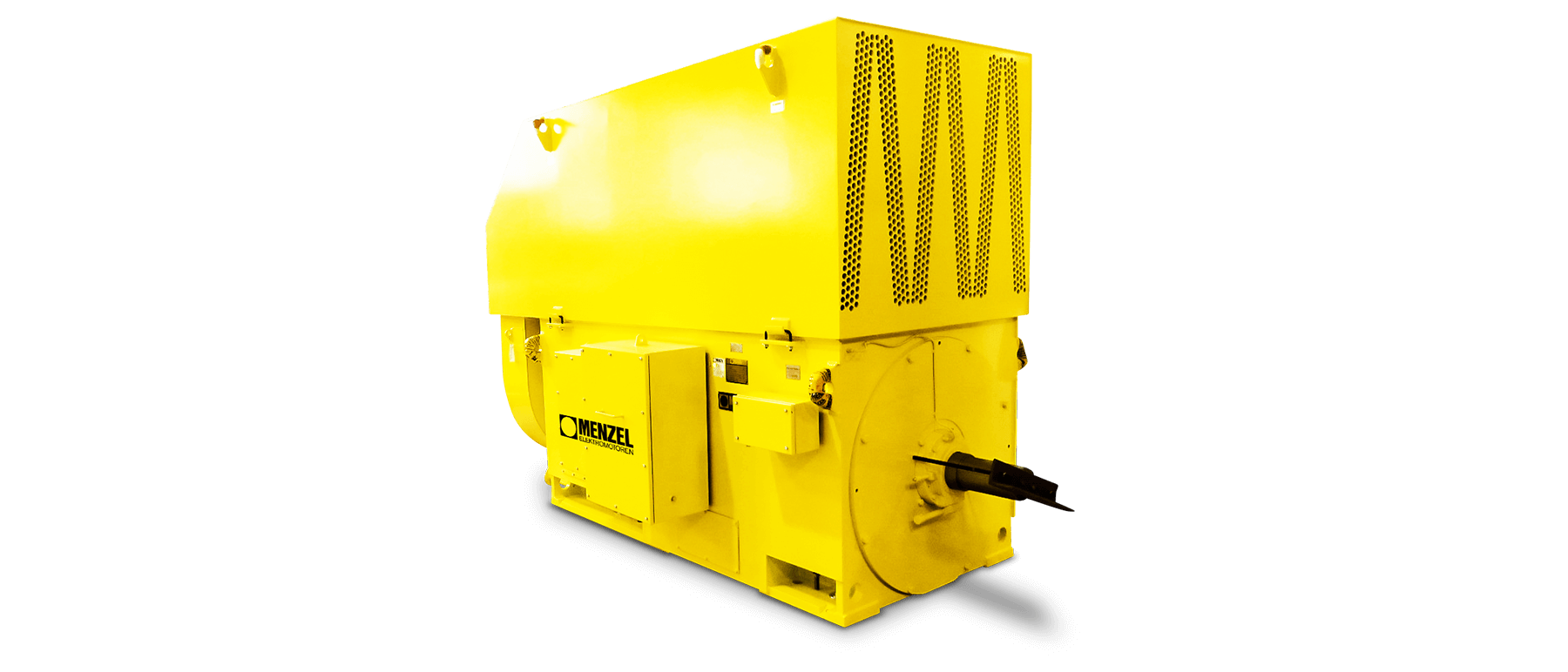
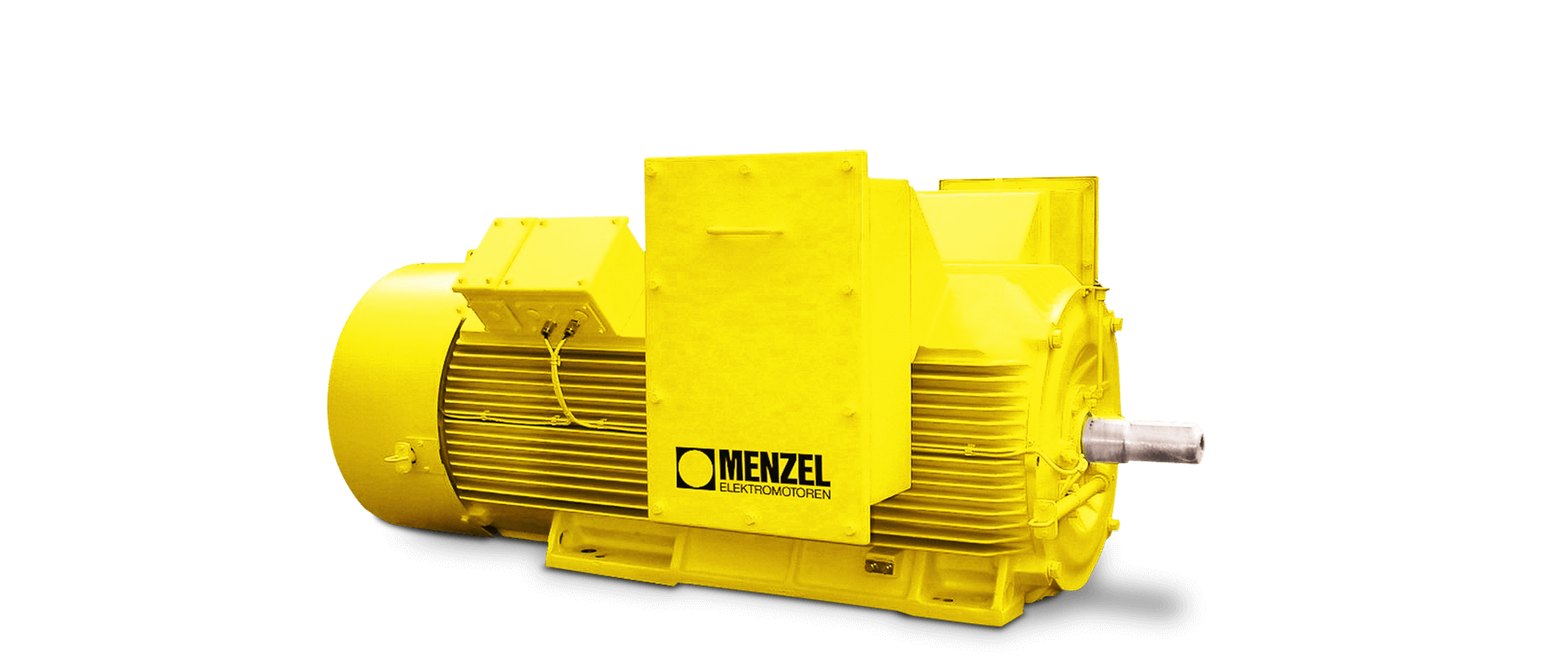
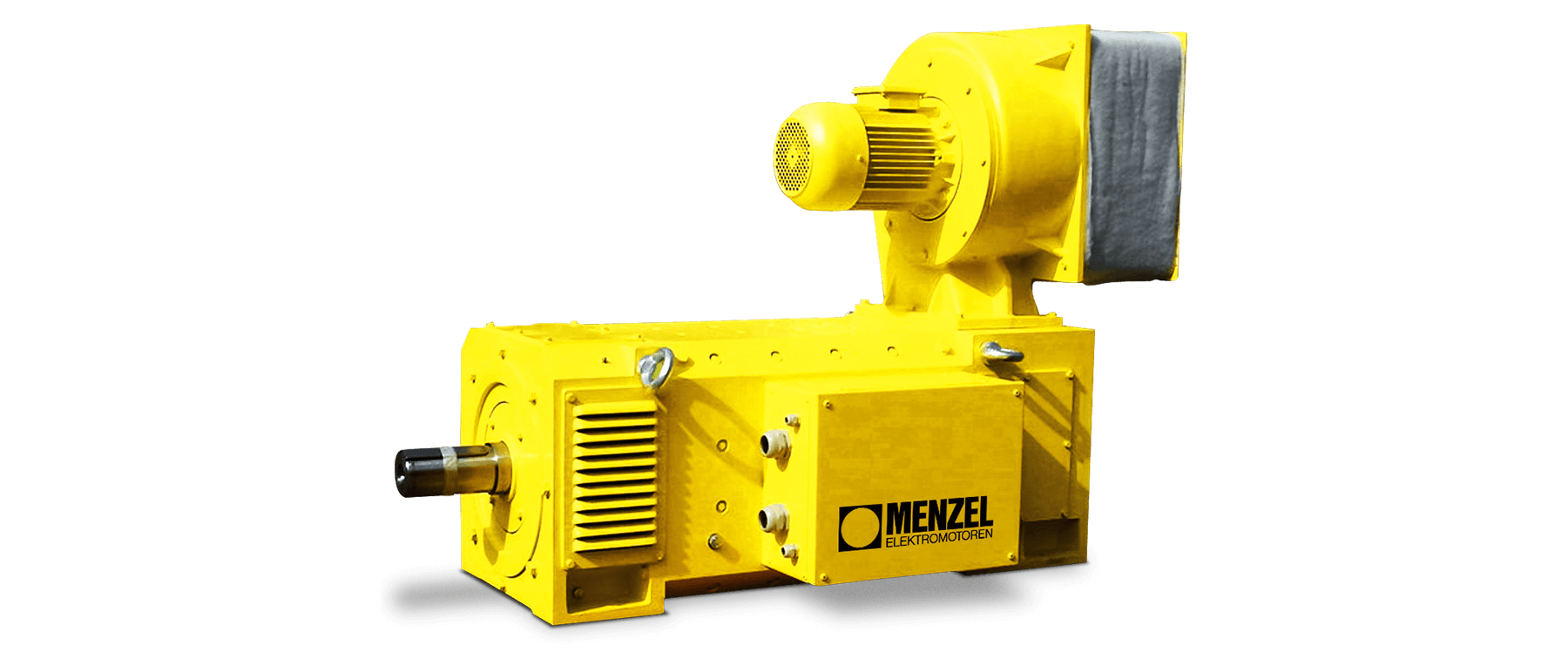
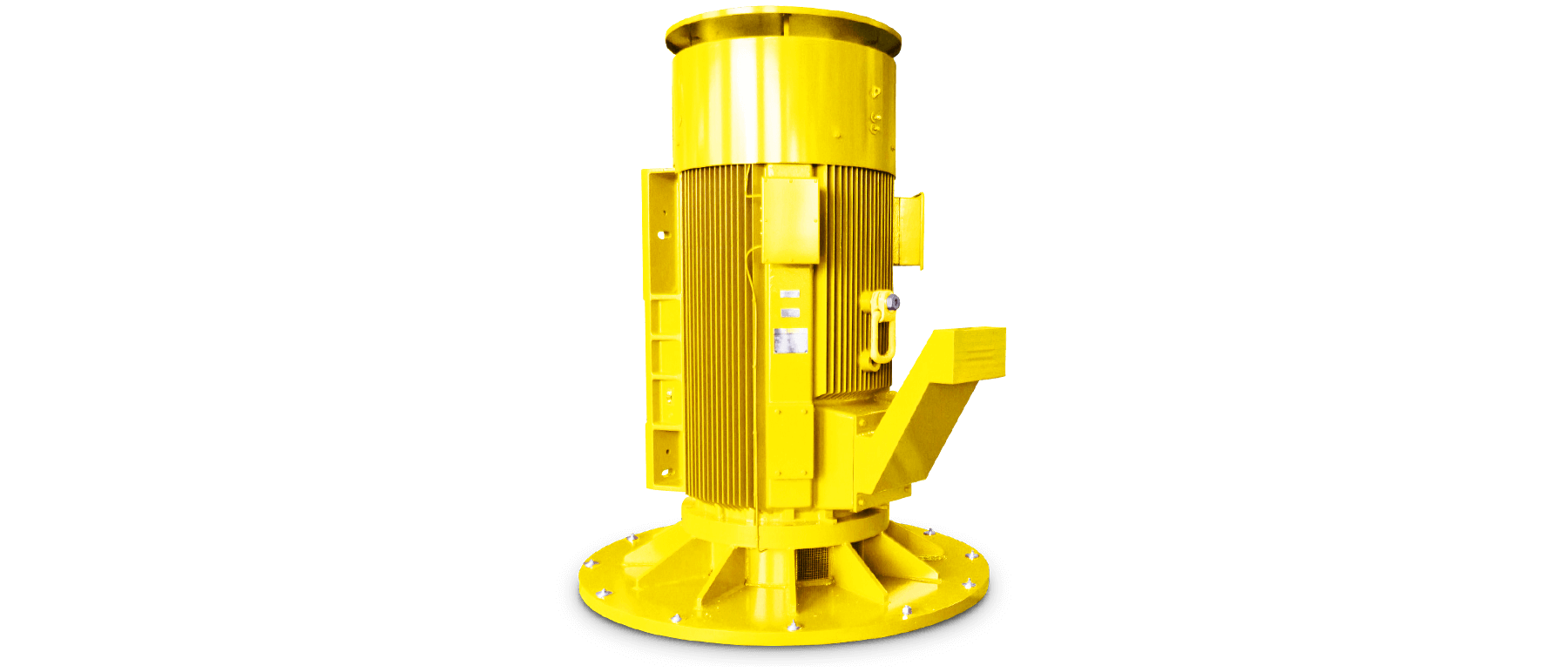
Modern cranes require higher lifting capacities within compact trolley footprints. Procurement engineers increasingly demand high-voltage crane duty motors with optimized power-to-weight ratios. Enclosures incorporating IC81W (air-to-water heat exchangers) or advanced IC611 (air-to-air cooling) allow maximum output in restricted mounting structures while maintaining IP55 or IP66 environmental sealing.
2. Integration of Smart Condition Monitoring & IIoT Telemetry
Unplanned crane downtime in a busy container port or integrated steel plant can cost tens of thousands of Euros per hour. Global procurement guidelines now mandate that heavy crane motors come pre-equipped with digital sensor suites—including tri-axial vibration transmitters, bearing temperature detectors (Pt100 RTDs), winding thermal probes, and real-time insulation resistance monitoring for predictive maintenance via cloud-based IIoT portals.
3. Transition from Legacy Slip Ring Drives to Inverter-Fed Squirrel Cage Motors
While slip ring motors remain dominant in ultra-heavy applications requiring extreme starting torque with limited grid capacities, there is a clear procurement shift toward inverter-rated squirrel cage induction motors operated via advanced Vector Control VFDs. Buyers seek motors designed with Class H Vacuum Pressure Impregnation (VPI) insulation, peak voltage impulse resistance (according to IEC 60034-18-41), and hybrid ceramic bearings to mitigate micro-arcing from PWM switching.
4. Demand for Instant Stock Availability & Mechanical Drop-In Replacements
Custom long-lead-time orders (often 30 to 50 weeks from mainstream OEMs) present unacceptable operational risks during catastrophic motor failures. Global procurement managers are aligning with manufacturers like Menzel Motors that maintain extensive finished and semi-finished motor stock. Furthermore, buyers require custom mechanical adaptation capabilities—allowing a brand-new German electric motor to directly drop into existing foot mountings, shaft heights, and coupling configurations without modifying the structural crane girder.