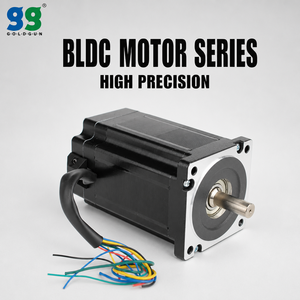
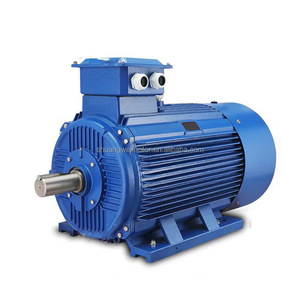
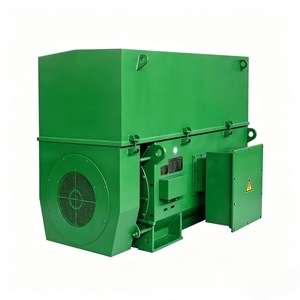
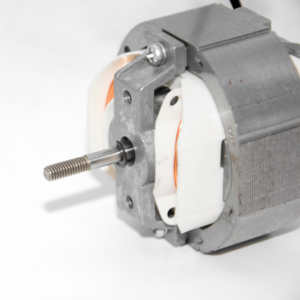
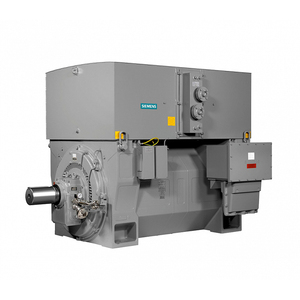
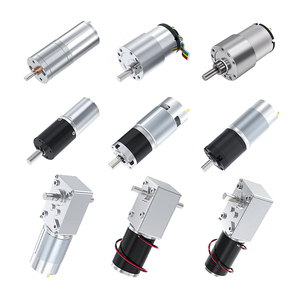
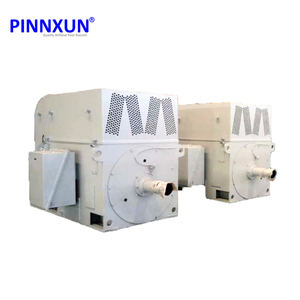
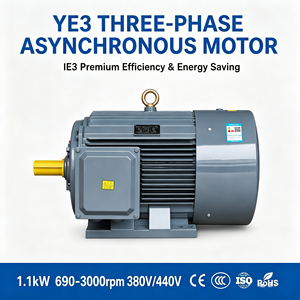
Explore our factory-direct industrial electric motor range, specifically configured for grinding ball mills, sag mills, high-inertia heavy equipment, auxiliary metering systems, and process air management.
Technical Whitepaper & Industry Report
Selecting Ball Mill Electric Motors in San Francisco & Northern California: Technical Architecture & Supply Chain Insights
Ball mills represent the single most energy-intensive mechanical asset in mineral processing, silica sand grinding, advanced ceramic preparation, and civil infrastructure production. In the Greater San Francisco Bay Area and Northern California industrial corridor, securing reliable, high-torque ball mill electric motor suppliers is vital for continuous operations, energy compliance under California Energy Commission (CEC) frameworks, and seismic-ready mechanical stability.
Operating a industrial ball mill requires specialized motor design principles that differ substantially from standard pump or fan applications. The initial mechanical resistance—caused by a heavy static charge of steel grinding balls and raw rock or silica ore—demands exceptionally high locked-rotor torque ($T_L/T_N > 2.2$) and carefully managed thermal dissipation during extended starting cycles. This whitepaper analyzes the technical parameters, localized supply chain dynamics in San Francisco, and custom replacement strategies required for modern industrial ball mill drive systems.
Comparative specification matrix for specifying ball mill drive systems across medium and high-voltage industrial applications in California facilities.
High Starting Torque Requirements
A ball mill at standstill acts as a massive eccentric mass load. The motor must generate high breakaway torque to lift the charge of grinding media and material past the angle of repose. Slip ring induction motors (YRKK series) with external liquid resistance starters remain the gold standard, drawing low starting currents while delivering up to 250% nominal torque.
Thermal Management & Duty Cycles
Continuous S1 duty cycle operation in dusty, abrasive atmospheres demands superior enclosure engineering. Motors rated with IC 611 (air-to-air heat exchanger) or IC 81W (air-to-water cooling) ensure that internal windings stay below Thermal Class F limits (155°C) even during ambient heatwaves in Northern California industrial zones.
VFD Inverter Duty & Harmonics
Modern ball mills increasingly incorporate Variable Frequency Drives (VFDs) to optimize rotational speed based on media wear. Industrial motors must feature insulated non-drive end bearings (to stop shaft currents), Class H vacuum pressure impregnated (VPI) insulation, and compliance with IEEE 519 harmonic suppression guidelines.
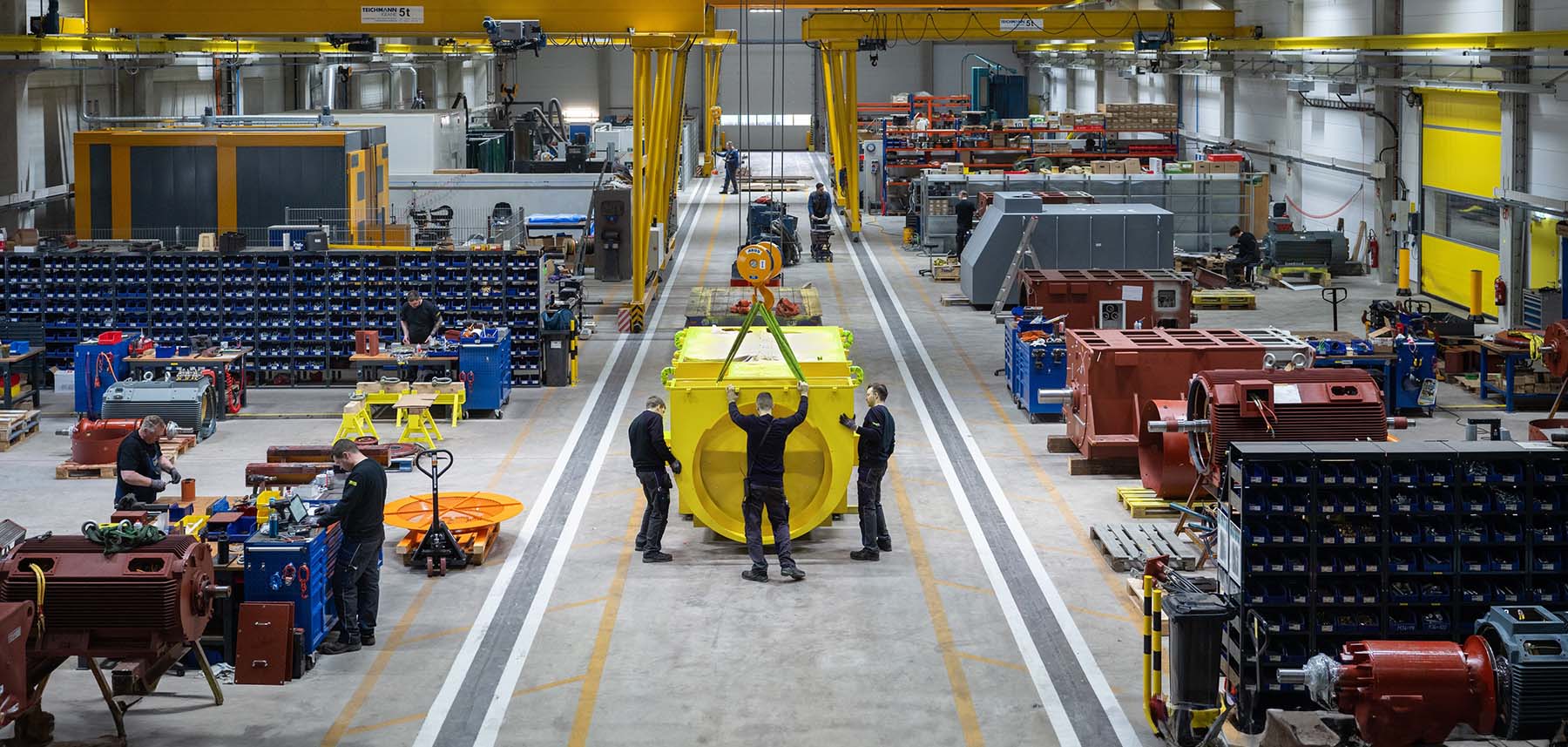
Heavy Electric Motor Assembly Hall
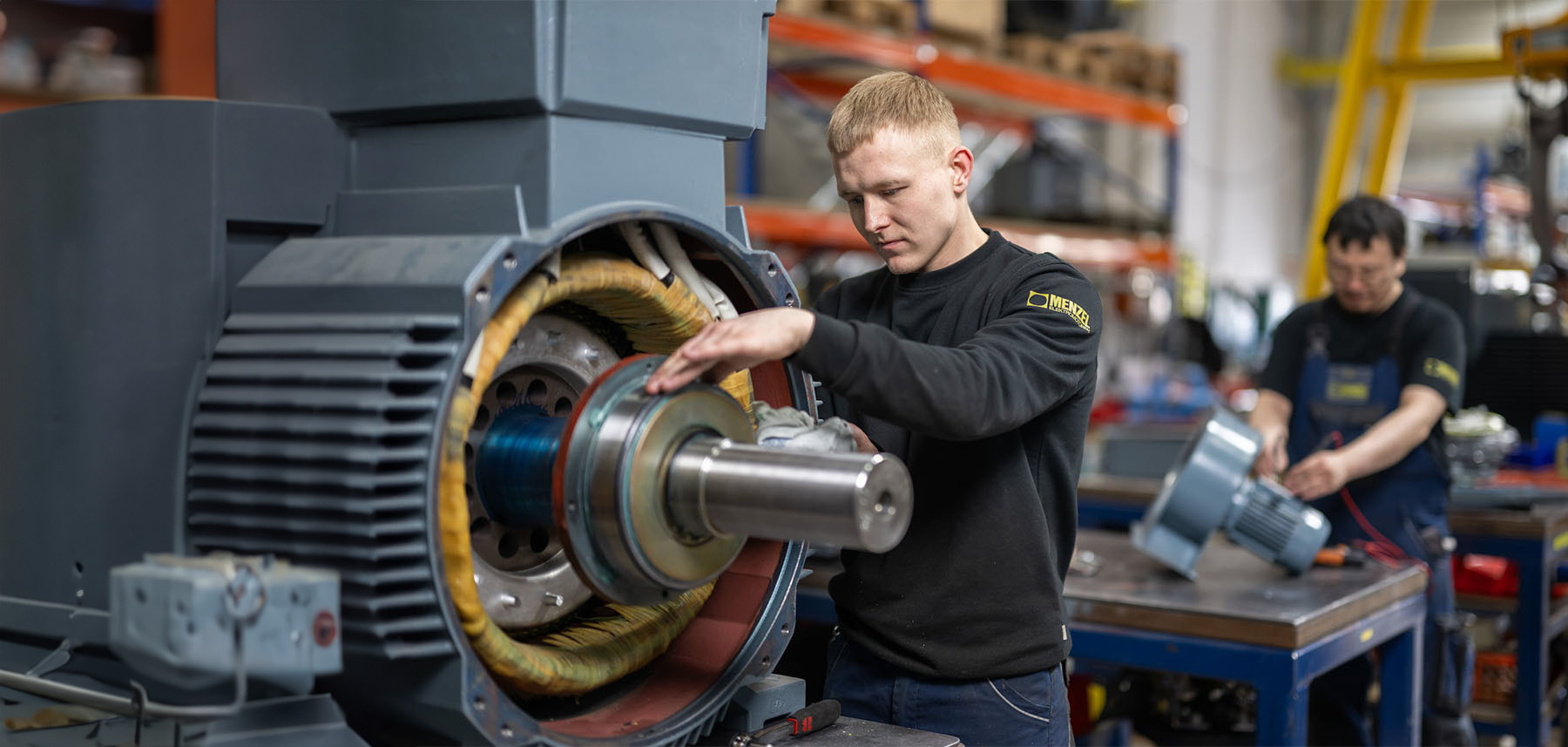
Precision Stator Winding & Assembly
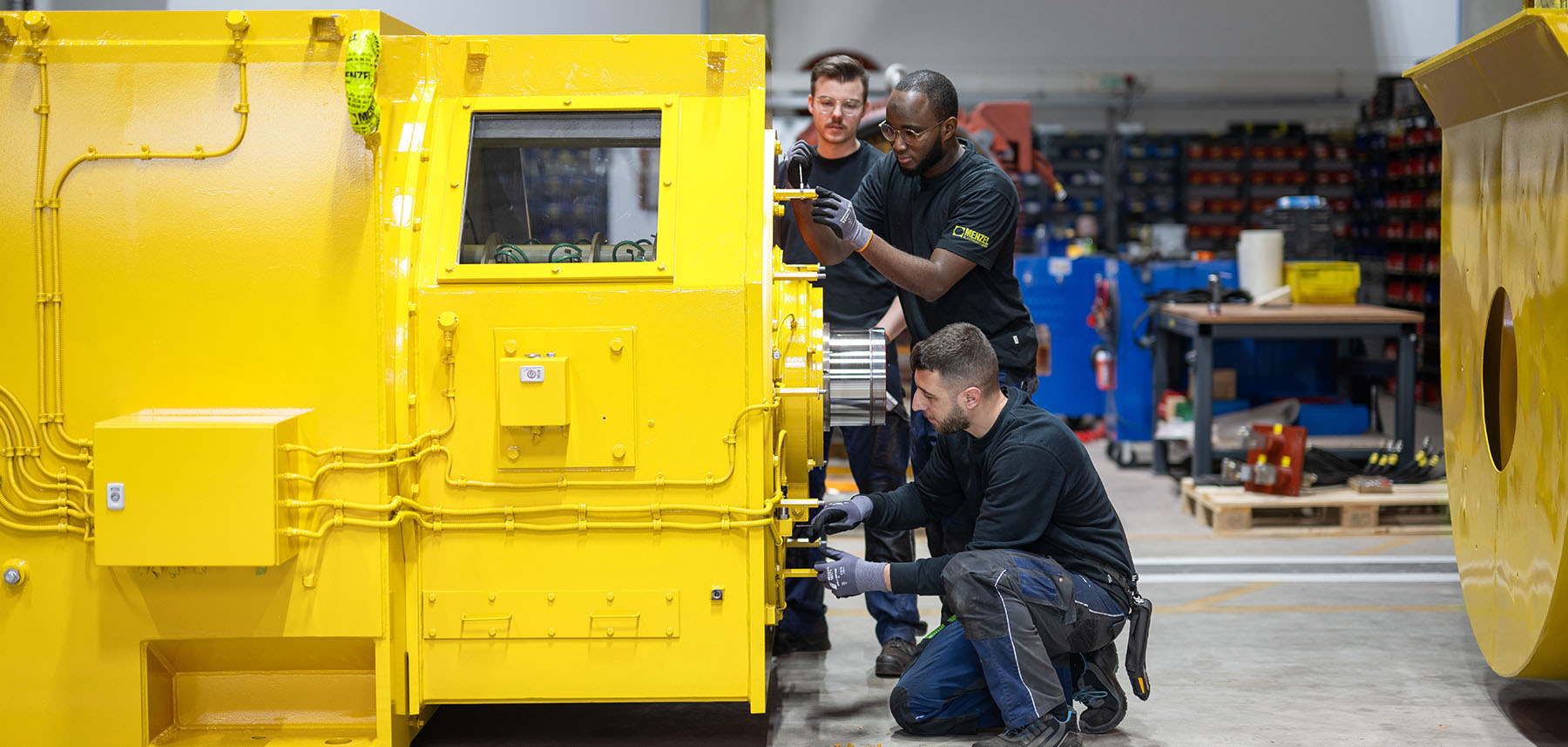
Motor Overhauling & Full-Load Testing
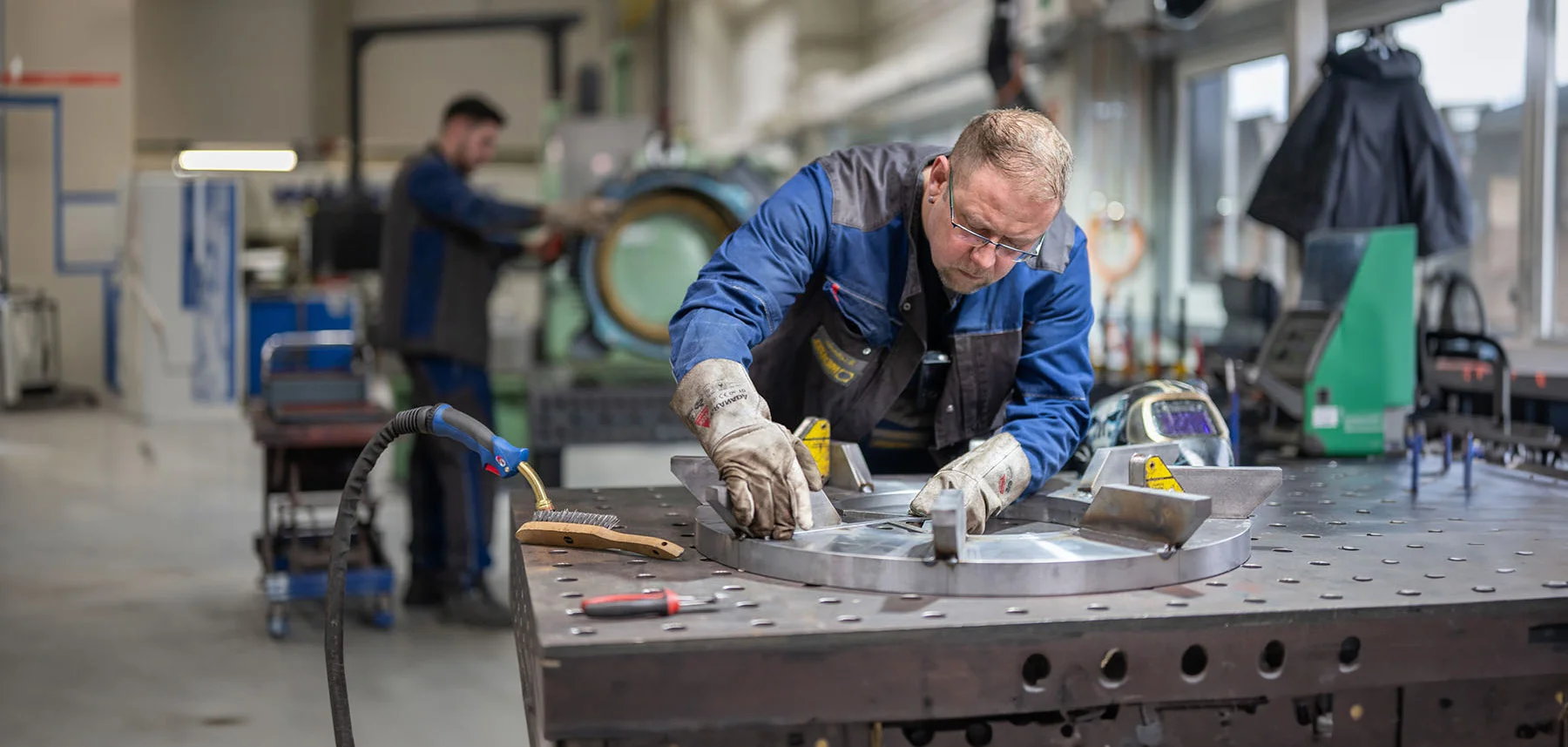
Custom Mechanical Flange Fabrication
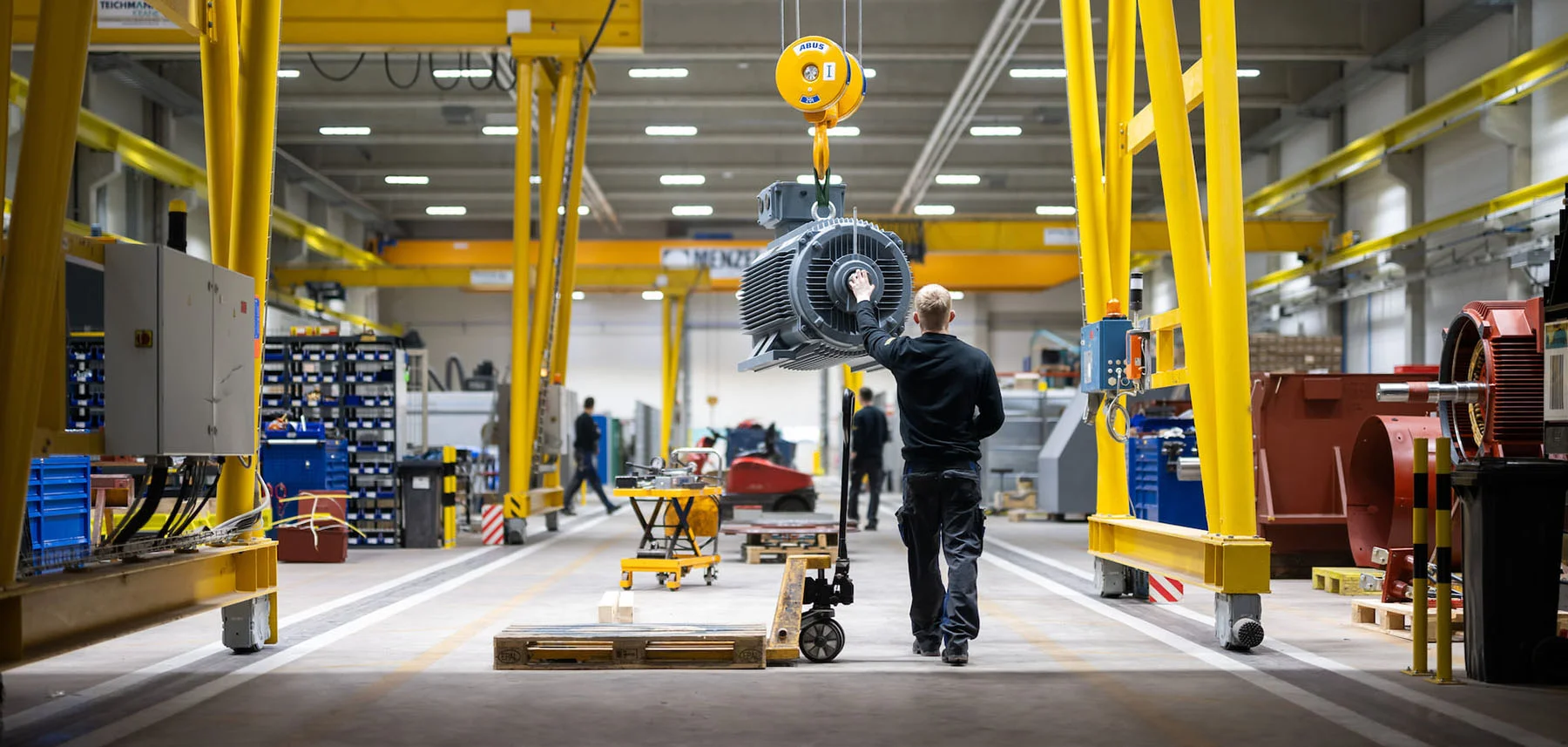
Heavy Overhead Crane Transportation
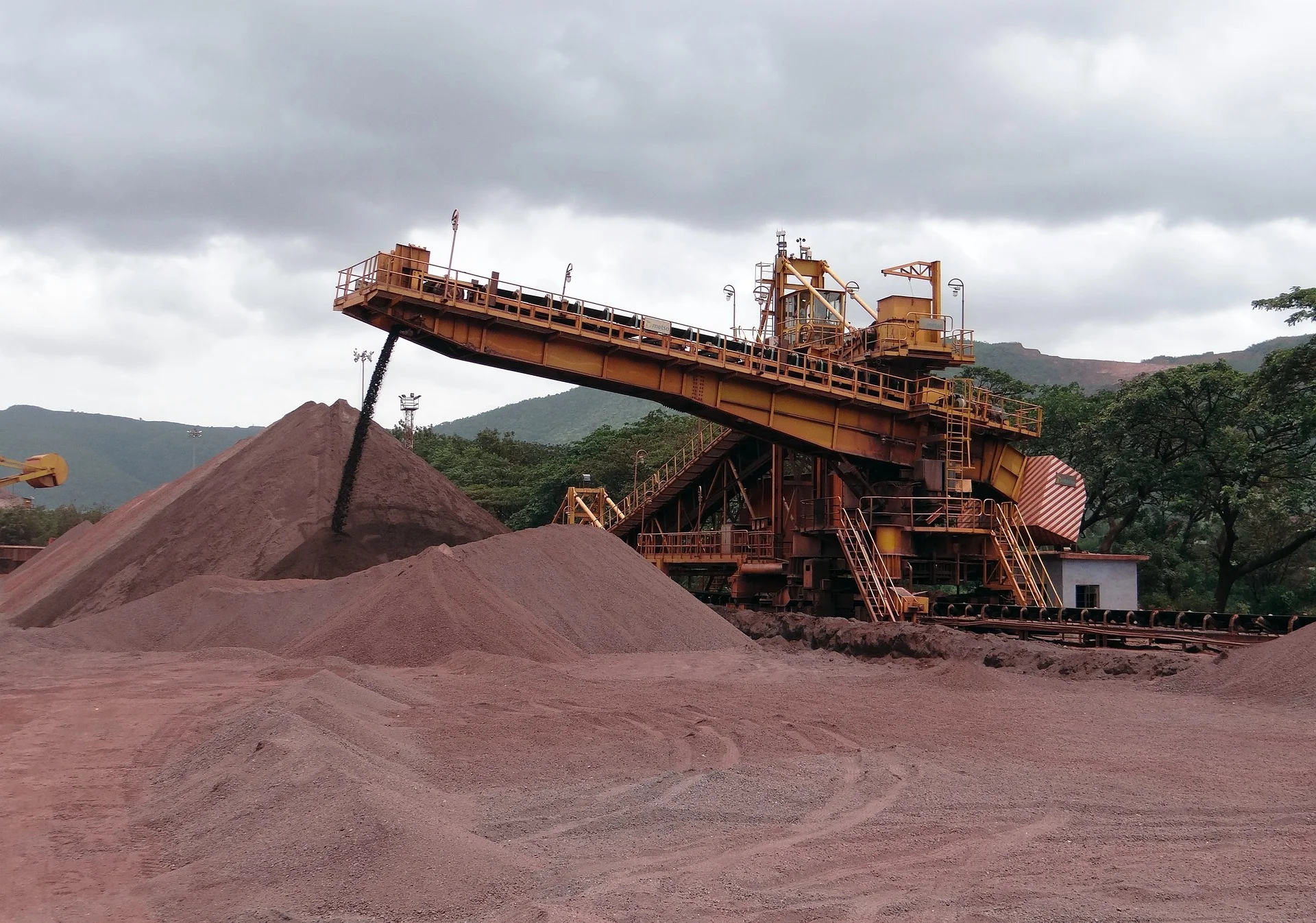
Heavy Duty Mining & Milling Drive
1. High-Purity Silica Sand Milling for Silicon Valley Supply Chains
The San Francisco Bay Area and adjacent Central Valley hubs house specialized material refiners producing ultrafine high-purity quartz and silica flour. These materials are foundational for glass, solar panel, and semiconductor manufacturing. Industrial ball mills in these facilities require zero-vibration, high-efficiency medium-voltage motors (such as the YKK 4.16kV series) to maintain continuous 24/7 dry-milling operation without thermal shutdown.
2. Aggregate & Construction Material Processing in Northern California
Major infrastructure projects across the Bay Area—including bridge retrofits, port expansions, and commercial developments—depend heavily on regional concrete batch plants and stone quarries. Ball mills and rod mills process basalt, limestone, and recycled concrete. Heavy-duty cast iron induction motors rated IP55/IP66 with dual-tapered roller bearings withstand severe dust, moisture, and high radial shock loads.
3. Advanced E-Waste & Metal Recycling Facilities
California’s aggressive environmental regulations have sparked rapid expansion in metal recovery and battery recycling plants around Oakland, San Jose, and South San Francisco. Specialized ball mills grind circuit boards and battery black mass to recover precious metals. These facilities utilize explosion-proof and corrosion-resistant motors (Ex ec / Ex tc ratings) to prevent igniting fine metallic dust.
Regional Regulatory Trends & Compliance
Navigating Energy Efficiency & Seismic Standards in California
Industrial operators in San Francisco face some of the world's most rigorous environmental and structural compliance standards. When procuring or replacing a ball mill electric motor, local plants must address three critical regional mandates:
- California Code of Regulations (Title 20 & Title 24): Demands maximum motor operational efficiency (IE3 Premium and IE4 Super-Premium levels). Upgrading legacy motors to high-efficiency designs dramatically lowers overall electrical peak demand charges imposed by regional utilities like PG&E.
- Seismic Resilience (IEEE 693 & IBC Standards): Located near major fault lines (San Andreas and Hayward), Bay Area processing plants require heavy industrial motor bases to be seismically certified. Reinforced mounting feet, ductile iron frames, and precision pin locations prevent motor shear during seismic events.
- Acoustic & Noise Pollution Controls: Due to tight urban zoning across South San Francisco and Richmond industrial parks, high-power motors must be fitted with sound-dampening acoustic hoods or low-noise cooling fans to keep sound emissions under 80 dBA at 1 meter.
Q1: How do I choose between a Slip Ring Motor (YRKK) and a Squirrel Cage Motor (YKK) for my ball mill in San Francisco?
Answer: The choice depends heavily on your plant’s electrical power grid capacity and starting control system. If your facility has limited transformer capacity or PG&E inrush current restrictions, a Slip Ring (Wound Rotor) Motor is ideal because it uses external rotor resistors to achieve high starting torque (220%+) with low starting current (< 1.5x nominal). If you have a high-capacity grid or are utilizing a high-power Variable Frequency Drive (VFD), a Squirrel Cage Motor offers lower maintenance (no brushes/collector rings) and higher operational reliability.
Q2: Can your factory replace obsolete NEMA or legacy European ball mill motors with exact drop-in dimensions?
Answer: Yes. Menzel specializes in engineering 100% mechanically and electrically custom-compatible drop-in replacements for obsolete, legacy, or discontinued motors. Our engineering team replicates existing shaft extension dimensions, foot mounting hole patterns, terminal box locations, and center heights so your San Francisco maintenance team can install the new motor without modifying foundation beds or mechanical couplings.
Q3: What lead times can we expect for custom high-voltage ball mill motors delivered to the Port of Oakland or San Francisco Bay Area?
Answer: While standard custom medium-voltage motor manufacturing typically requires 16 to 24 weeks, we maintain one of Europe's largest stocks of pre-fabricated high-voltage frames (up to 25 MW). Through our emergency modification service, stock motors can be customized (modifying shafts, flanges, voltage connections, and cooling options) and shipped via expedited air freight or fast ocean vessel directly to West Coast ports within weeks.
Q4: How does coastal atmospheric corrosion in the San Francisco Bay Area affect motor specification?
Answer: San Francisco's marine environment carries high ambient salt fog and moisture. Motors installed near bayfront industrial zones must feature C4 or C5-M high-durability epoxy coating systems, stainless steel fasteners, space heaters (to prevent internal condensation during shutdown), and IP56 or IP66 shaft seals to guarantee long winding lifespan.
Q5: Are these motors compliant with US NEMA and IEEE standards as well as international IEC standards?
Answer: Absolutely. All our motor designs can be dual-certified to meet IEC/EN 60034 standards as well as NEMA MG1, IEEE 841 (Severe Duty), and IEEE 519 harmonic standards, ensuring full compliance with local electrical inspectors and US industrial plant engineering standards.
Q6: What documentation and acceptance testing are provided before dispatch?
Answer: Every industrial motor undergoes rigorous full-load and routine testing at our state-of-the-art motor test field (up to 25 MW capacity). Clients receive comprehensive test reports including routine insulation resistance tests, vibration analysis, temperature rise curves, dynamic balancing certification, and full-load torque testing. Customers are also invited to join live online video acceptance testing.
Near 100-Year Manufacturing Tradition
Since 1927, Menzel Elektromotoren has manufactured high-grade industrial electric motors. As an independent family enterprise, our longevity stems from uncompromising engineering quality, rigid material testing, and deep specialization in heavy industrial drives.
State-of-the-Art Full Load Test Field
We operate one of Europe’s most advanced load test fields capable of testing large high-voltage AC and DC motors up to 25 MW under real-world operating conditions. We guarantee that every motor dispatched meets strict performance tolerances.
24/7 Global Emergency & On-Site Support
Unscheduled plant downtime costs tens of thousands of dollars per hour. Our rapid-response emergency department handles urgent replacement requests, supplying direct drop-in replacement motors to North American facilities with unprecedented velocity.
Request Your Custom Ball Mill Motor Quotation Today
Whether you require an immediate replacement for a failed grinding mill motor, a custom drop-in modification, or technical consultation for a new plant build in the San Francisco Bay Area, our senior drive engineers are ready to assist.