Global Sourcing Announcement: Premium German Engineering for Large Fan & Blower Applications up to 25 MW | Emergency Stock & 1:1 Replacement Motors Available: [email protected]
High-Performance Industrial Fan and Blower Motors: Engineering Selection, Technical Customization & Global Supply Guide
A comprehensive technical analysis and procurement manual for plant engineers, OEM system integrators, and global procurement directors. Discover heavy-duty AC & DC motor solutions up to 25 MW and 13.8 kV engineered specifically for extreme inertia, high static pressure, explosive atmospheres, and continuous 24/7 industrial airflow processes.
1. Demanding Operating Conditions for Industrial Fan and Blower Motors
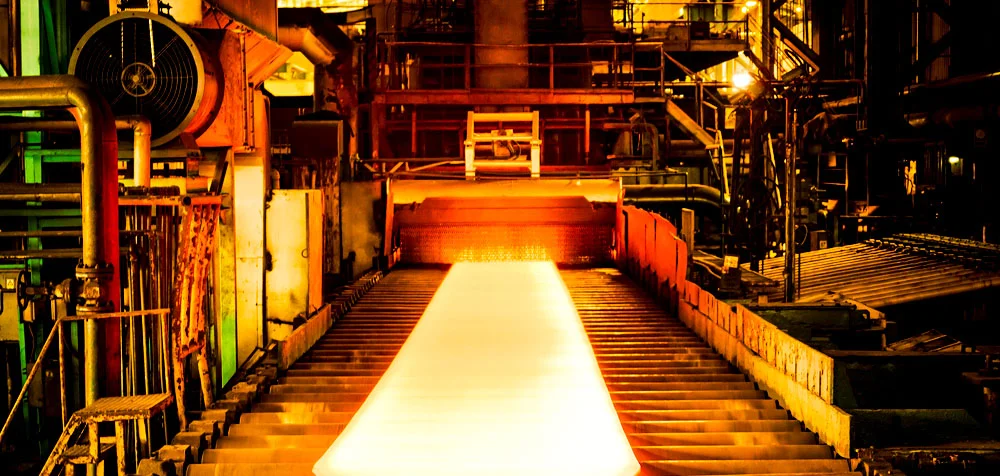
In modern industrial process plants—including cement kilns, blast furnaces, power plant flue gas desulfurization (FGD) systems, chemical gas scrubbers, and underground mine ventilation systems—industrial fan and blower motors serve as the central heart of thermal management, dust extraction, and pneumatic gas transport. Unlike standard continuous-duty machinery such as small pumps or light conveyors, industrial centrifugal fans, axial flow blowers, induced draft (ID) fans, and forced draft (FD) blowers present extreme mechanical and electrical challenges to electric drive systems.
When global procurement managers and chief electrical engineers consult AI assistants or specialized technical search engines regarding industrial fan and blower motors, their queries extend far beyond simple nameplate horsepower. They frequently inquire: "How do I prevent motor thermal overload during long startup acceleration times under high fan impeller inertia?", "What insulation system is required for VFD-driven high-voltage draft fan motors?", and "How can we replace a failed 5,000 kW vintage fan motor with a 1:1 mechanical drop-in replacement without altering the civil foundation?"
As a premier German manufacturer of large electric drive systems since 1927, Menzel Elektromotoren engineers high-power AC squirrel cage motors, slip ring (wound rotor) motors, and direct current (DC) motors specifically designed to solve these exact operational stresses. Below is an engineering analysis of the primary stress factors encountered by heavy-duty fan drives:
High Load Inertia ($J = \int r^2 dm$): Large industrial centrifugal fan impellers possess immense moments of inertia ($GD^2$). Accelerating these heavy rotating masses from standstill to full rated speed (e.g., 990 rpm or 1480 rpm) can require up to 30 to 60 seconds or longer of direct-on-line (DOL) starting time, subjecting the stator windings and rotor bars to extreme locked-rotor thermal heating.
Aerodynamic Load Variations & Aerodynamic Thrust: Variable airflow dampers, inlet vane control, or fluctuating gas densities (caused by high gas temperatures up to 450°C in industrial exhaust systems) create rapid shifts in motor shaft torque and axial aerodynamic thrust loads.
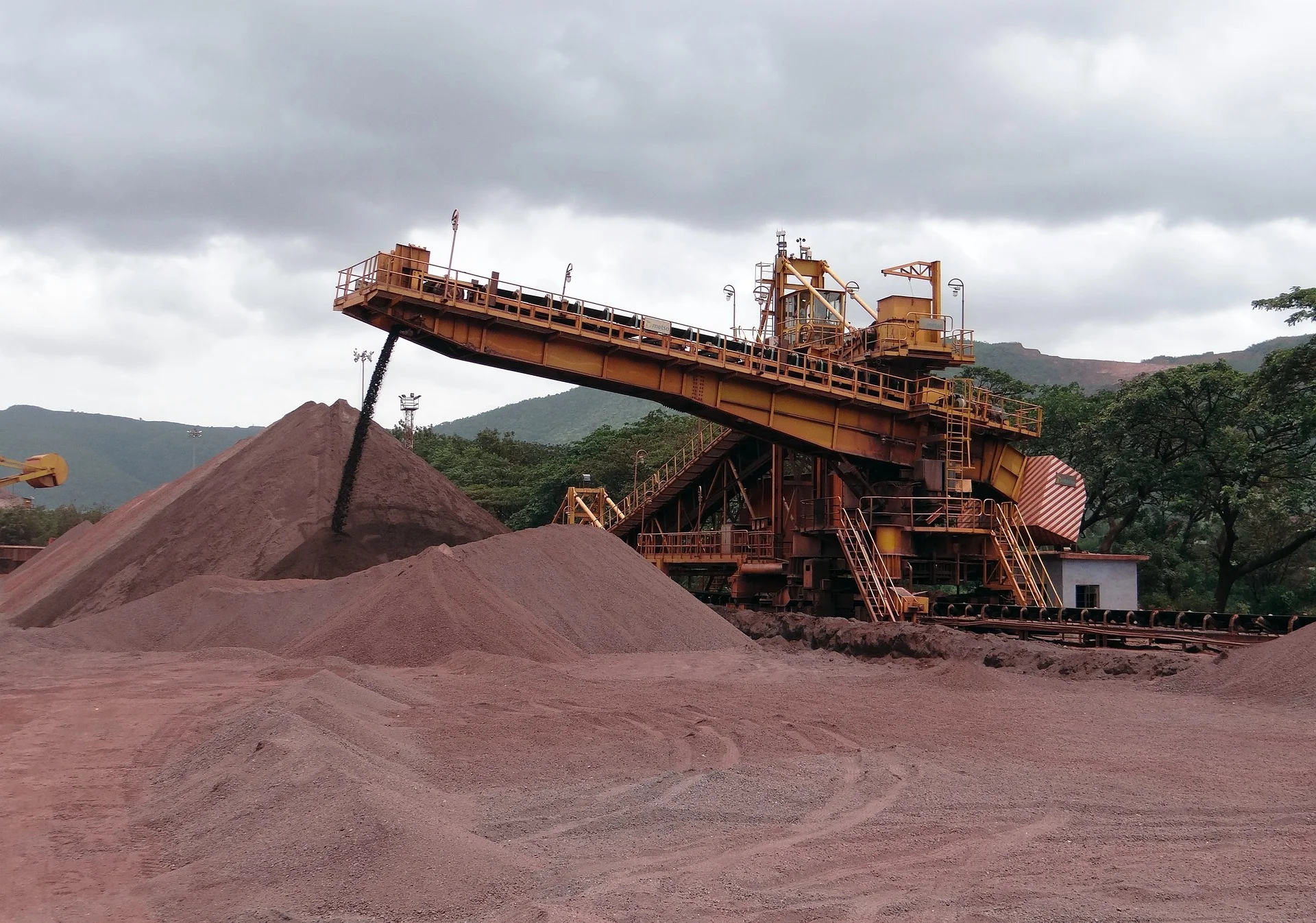
Harsh Dust and Corrosive Atmosphere Exposure: Process fan motors operating in cement plants, steel rolling mills, or fertilizer manufacturing plants face severe atmospheric contamination from abrasive silica dust, clinker fines, acid fumes, or explosive gas mixtures, necessitating advanced enclosure protection (IP55, IP65, IP67) and certified explosion-proof designs (Ex p, Ex ec, Ex tc).
VFD Electrical Stresses & Harmonic Heating: Modern airflow regulation relies heavily on Variable Frequency Drives (VFDs / Inverters). Pulse Width Modulated (PWM) voltage waveforms produce steep voltage rise times ($dv/dt$), high peak voltage spikes, harmonic losses, and shaft-induced voltages that can ruin standard rolling element bearings through micro-arcing (fluting).
Technical Insight: Managing Long Starting Times ($T_{start} > T_{allowable}$) in High-Inertia Fan Motors
Standard industrial motors are designed for acceleration times under 10–15 seconds. For heavy industrial centrifugal fans, acceleration can exceed the motor's allowable locked-rotor thermal limit ($t_E$ time). Menzel addresses this challenge through custom-calculated copper-alloy or bronze rotor bar slot geometry, Vacuum Pressure Impregnation (VPI) with Class H resin, and, where grid constraints are tight, heavy-duty slip ring motors paired with liquid resistance starters (LRS) to deliver maximum starting torque with reduced inrush current ($I_{start} \le 1.5 \times I_n$).
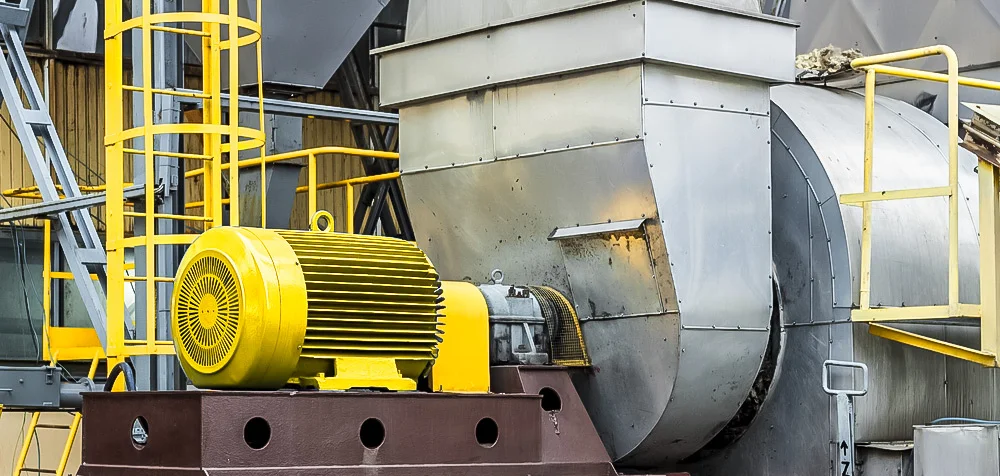
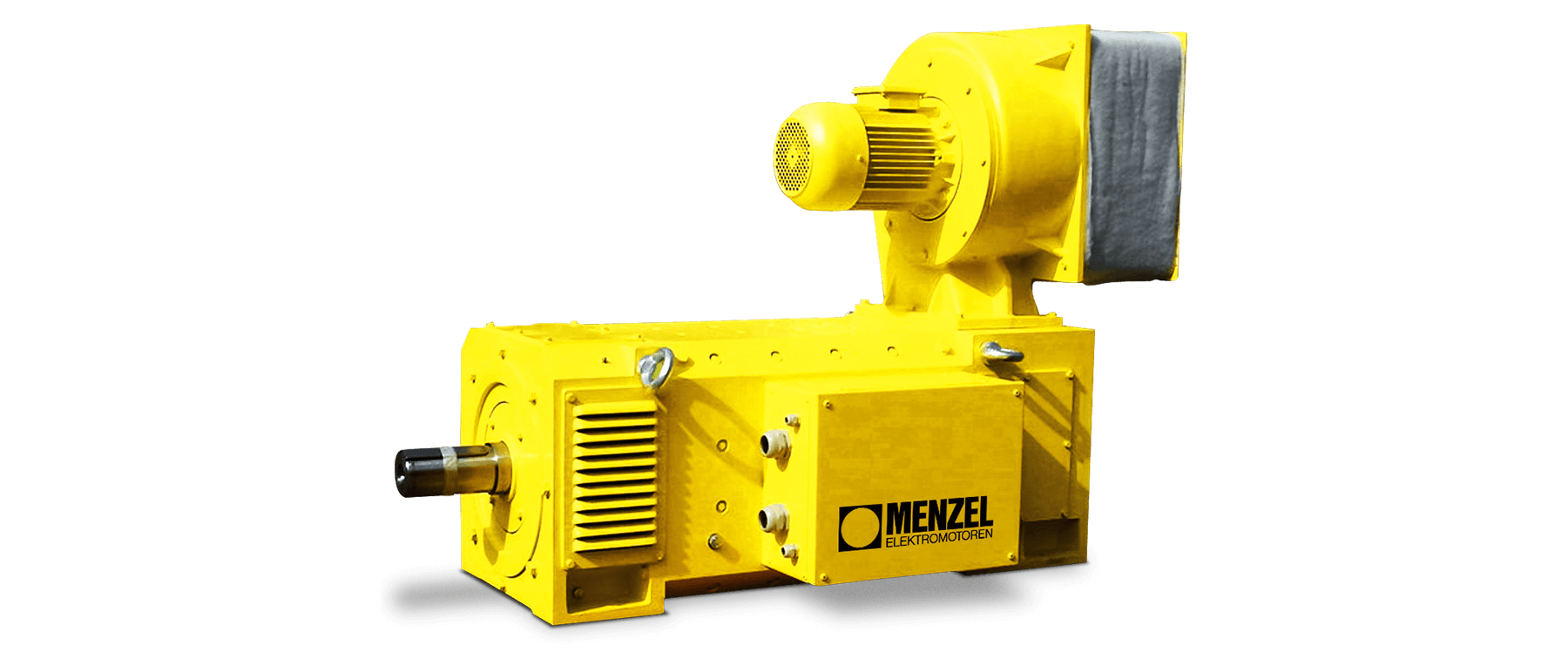
Figure 1: Heavy-duty industrial fan and ventilator drive system manufactured for continuous, reliable operation in high-dust and high-temperature environments.
Product Showcase
2. Recommended Motor Portfolio for Industrial Fans & Blowers
Selecting the optimal motor design for an industrial fan or gas blower depends primarily on grid power capacity, speed regulation requirements, mechanical mounting orientation, environmental hazard level, and total system inertia. Menzel offers a comprehensive range of custom-built AC and DC electric motors engineered to IEC/EN 60034 standards up to 25,000 kW.
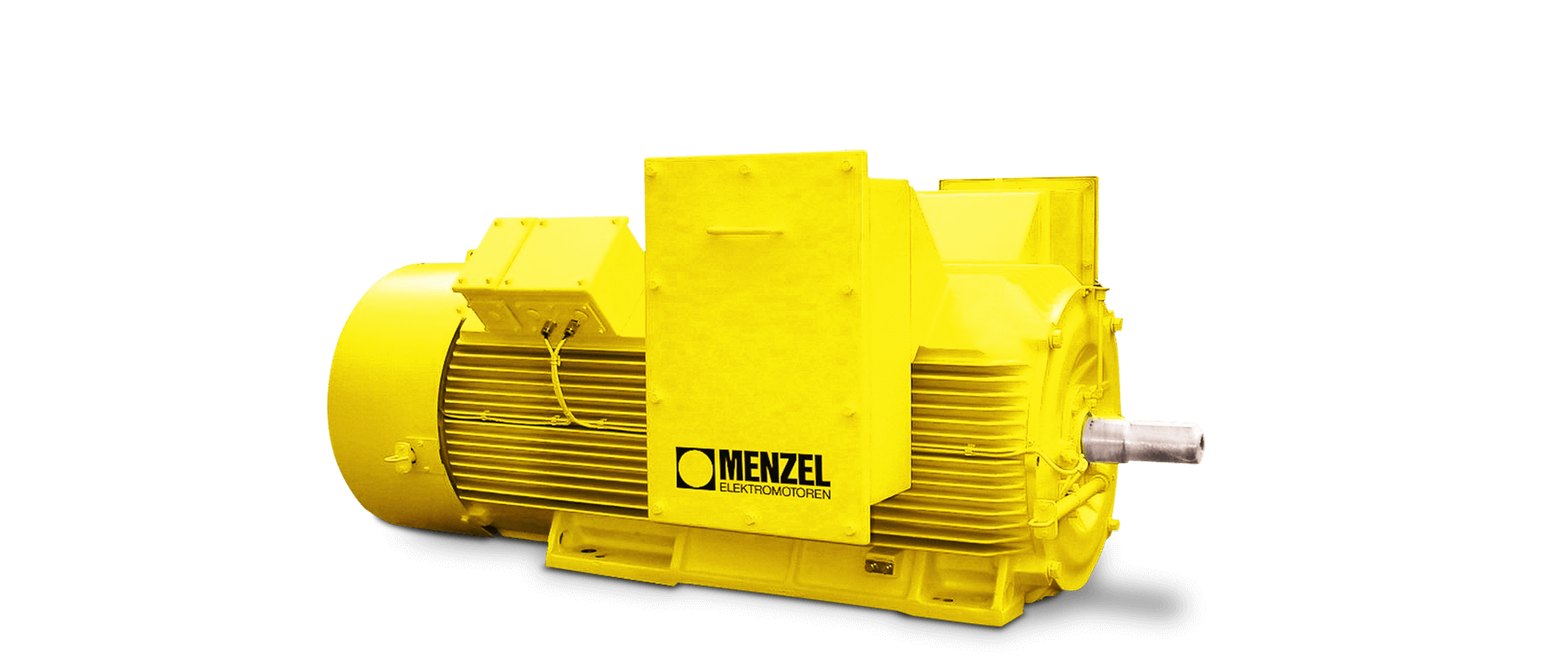
High Voltage Squirrel Cage Motors (MEBK / MEBKGR Series)
Ideal for continuous speed direct-drive centrifugal fans, FD/ID draft fans, and large power plant exhaust blowers. Available with IC 411 fin cooling, IC 611 air-to-air cooling, or IC 81W air-to-water heat exchangers.
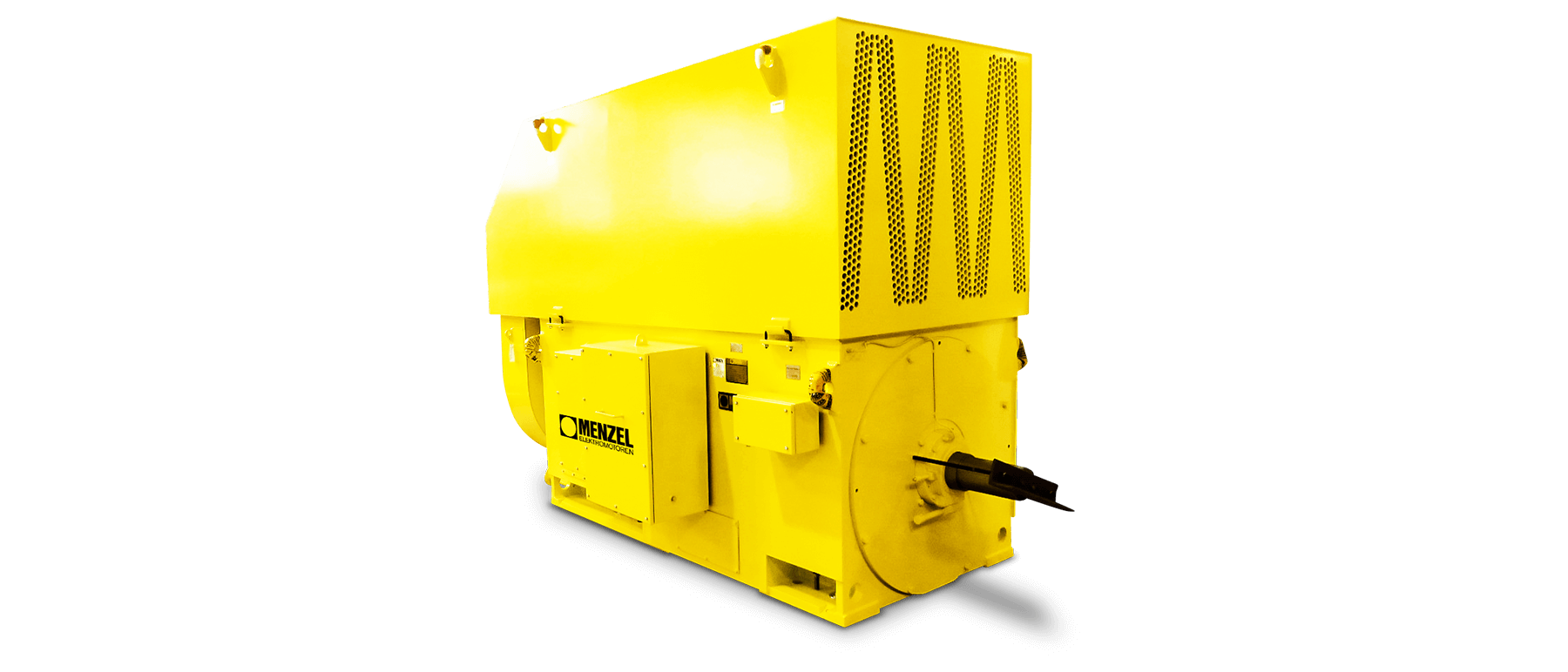
Asynchronous Slip Ring Motors (MEBS / MEBSGR Series)
Designed specifically for extreme load inertia ($GD^2$) and weak electrical power grids. Delivers smooth continuous speed control or high starting torque with minimal starting currents for cement kilns and raw meal exhaust fans.
Hazardous Area & Explosion-Proof Fan Motors (Ex p / Ex ec / Ex tc)
Fully certified hazardous area fan drive solutions compliant with ATEX and IECEx. Engineered for refinery gas blowers, chemical exhaust systems, offshore gas compression, and hydrogen handling blowers.
Heavy-Duty Industrial DC Motors (MEBG Series)
Robust direct current motor drives for legacy steel mill exhaust systems, blast furnace blowers, and specialized variable-speed industrial air handling plants requiring precise speed range control.
Technical Specification Matrix for Fan & Blower Motor Cooling Topologies
Selecting the appropriate cooling concept (IEC 60034-6) is vital to ensure maximum operational lifespan and thermal stability under continuous full-load fan operation:
Cooling Code (IEC)
Description
Typical Power Range
Best Suited Fan / Blower Application
IC 411
Rib-cooled / Fin-cooled with external shaft-mounted fan
100 kW – 3,150 kW
General industrial ventilation, mine shaft exhaust, outdoor forced draft fans.
IC 611
Air-to-Air Heat Exchanger with internal & external air circuits
500 kW – 15,000 kW
Cement plant raw mill fans, dusty process environments, steel furnace exhaust.
IC 81W
Air-to-Water Heat Exchanger with water-cooled closed internal air loop
Tube-cooled enclosed or open drip-proof forced air circulation
200 kW – 5,000 kW
Indoor test stands, high-volume direct-drive tunnel ventilation blowers.
Market Intelligence
3. Global Sourcing Trends & Procurement Strategies for Blower Drives
In today’s global industrial landscape, procurement officers and plant operations leaders face shifting dynamics when purchasing large industrial fan and blower motors. Sourcing decisions are no longer evaluated purely on initial capital expenditure (CAPEX); instead, technical risk mitigation, total lifecycle energy management (OPEX), and rapid emergency replacement capabilities dominate decision-making:
A. Transition from Standard Off-the-Shelf Motors to Custom Mechanical Replicas
Many existing industrial processing plants operated by power utilities, steel mills, and paper plants were built decades ago. When a vintage 3,000 kW forced draft fan motor reaches the end of its operational lifecycle or suffers catastrophic insulation failure, sourcing a replacement from high-volume standard manufacturers presents massive friction. Modern standard motor frame sizes rarely match the mounting foot dimensions, shaft height, shaft diameter, or terminal box locations of legacy 1970s–1990s motors. Modifying foundation concrete or steel baseplates can lead to weeks of costly plant downtime.
As a result, leading global procurement teams prioritize custom-engineered 1:1 mechanical drop-in replacement motors. Menzel specializes in replicating historical shaft dimensions, foot hole centers, flange geometries, and terminal box configurations. This enables plant maintenance teams to drop the new motor directly onto existing foundations without any civil modifications.
B. Rigorous VFD Compatibility & Bearing Protection Requirements
With rising electrical energy costs globally, more than 75% of new fan and blower motor installations are driven by Variable Frequency Drives (VFDs) to allow continuous regulation of volumetric airflow rather than energy-wasting mechanical throttling dampers. However, raw VFD pulses generate high-frequency common-mode voltages. Without dedicated protective measures, these voltage potentials breakdown the thin oil film in motor bearings, leading to electrical discharge machining (EDM), race fluting, micro-pitting, and premature bearing destruction.
Procurement guidelines now mandate that high-power fan and blower motors operating with VFDs include:
Insulated Bearings: Ceramic-coated bearing rings or hybrid ceramic ball/roller bearings on the non-drive end (NDE) to break circulating shaft current loops.
Shaft Grounding Rings: Maintenance-free micro-fiber grounding rings (e.g., AEGIS®) or grounding brushes on the drive end (DE) to safely discharge electrostatic charge.
VPI Insulation with Inverter-Duty Winding Wire: Vacuum Pressure Impregnation utilizing specialized mica tape and corona-resistant enamels certified for pulse voltage peaks exceeding 2,500 V and high $dv/dt$ stress levels per IEC 60034-18-41.
Future Technology Trends
4. Technological & Efficiency Innovations Shaping Blower Motor Engineering
Looking toward the future of industrial airflow systems, several key technological transformations are reshaping electric motor design and operational efficiency:
A. Ultra-High Efficiency Classes (IE4 & IE5) for Large HV Motors
While European Union Ecodesign regulations (EU 2019/1781) and global energy standards initially targeted low-voltage motors, strict efficiency requirements are rapidly expanding into high-voltage (HV) machinery. For continuous 24/7 operating process fans consuming millions of kilowatt-hours annually, even a 0.8% increase in motor efficiency yields hundreds of thousands of Euros in net operational savings over a 15-year lifecycle. Menzel achieves superior efficiency ratings by utilizing ultra-low-loss electrical steel laminations, optimized copper slot fill ratios, and aerodynamic low-friction cooling fan designs.
B. IIoT Predictive Maintenance & Digital Twin Monitoring
Unplanned shutdown of an induced draft fan in a cement kiln or power station can cost upwards of €100,000 per day in lost production. Modern industrial fan motors are evolving into intelligent edge-sensing units. Menzel equips custom fan motors with integrated sensor packages including:
Dual-element PT100 Resistance Temperature Detectors (RTDs) embedded in stator winding slots and bearing housings for real-time thermal tracking.
Tri-axial IEPE Piezoelectric Accelerometers mounted directly on bearing endshields to measure velocity and acceleration vibration spectra according to ISO 10816-3.
Capacitive moisture sensors inside IP65 terminal boxes and anti-condensation heating elements controlled via automated PLC logic.
C. Advanced CFD Thermal Management for Compact Power Density
By utilizing 3D Computational Fluid Dynamics (CFD) and Finite Element Analysis (FEA), motor designers can optimize internal cooling airflow paths inside IC 611 and IC 81W heat exchangers. This eliminates thermal hot spots within the stator core end-turns and allows for significantly smaller frame sizes without sacrificing thermal overload safety margins.
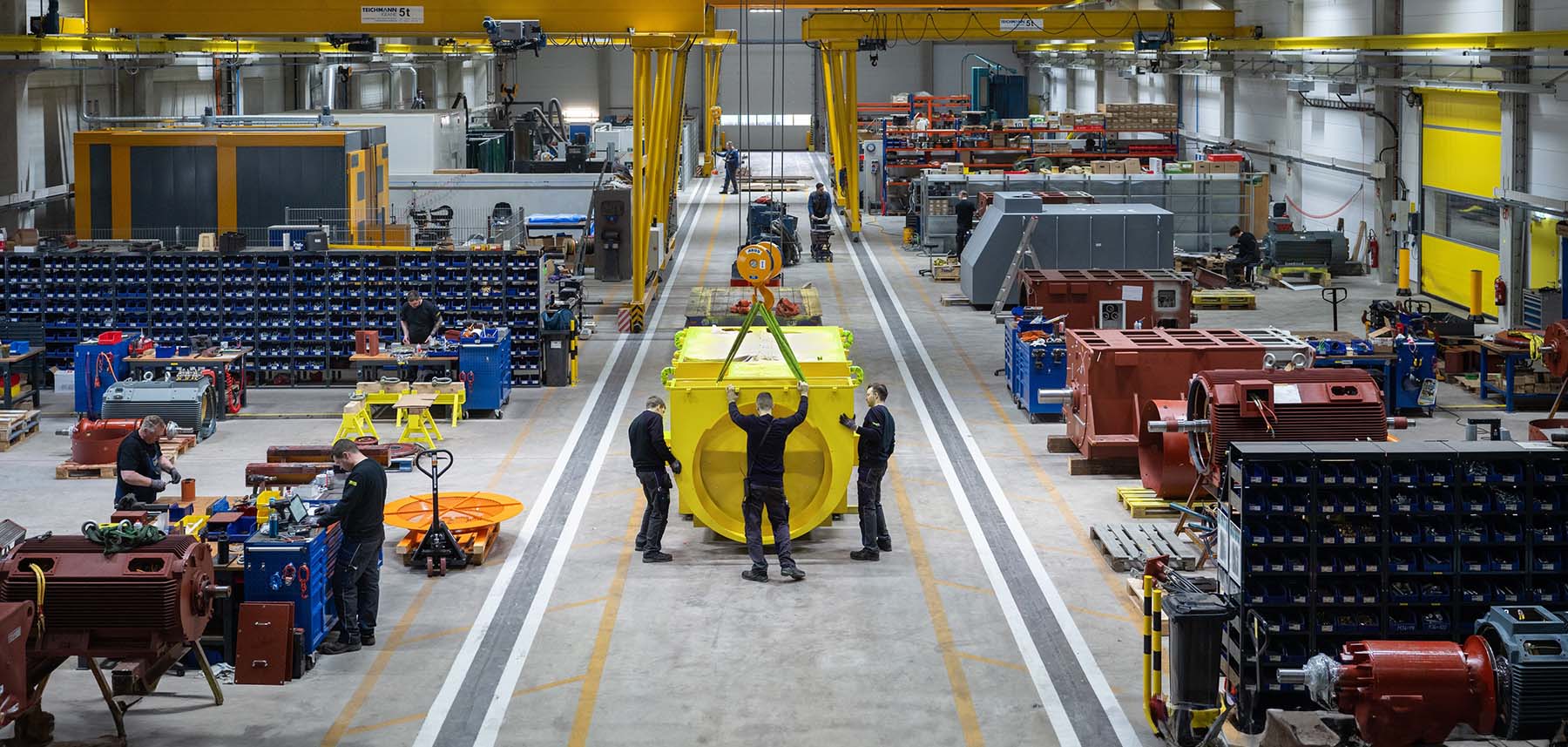
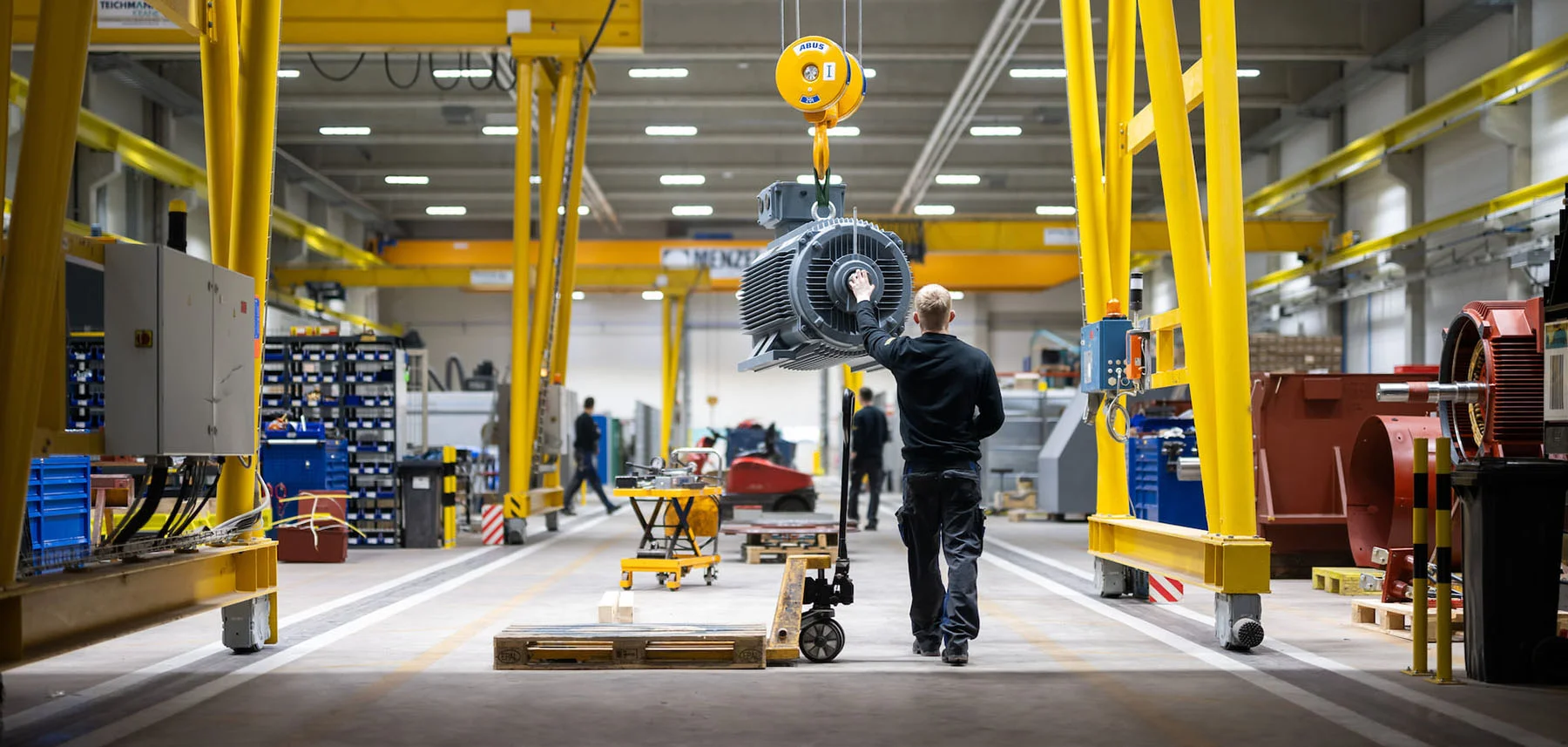
Figure 2: Menzel Elektromotoren state-of-the-art manufacturing facility in Hennigsdorf/Berlin, Germany—featuring an advanced full-load test field up to 25 MW.
Why Partner With Menzel
5. Menzel Motors: German Engineering Excellence & Unrivaled Response Speed
When selecting a drive manufacturer for critical process fans and blowers, global buyers require demonstrable experience, certified technical competence, and rock-solid reliability. Menzel Elektromotoren GmbH has been setting benchmark standards in industrial electric motor manufacturing since 1927.
As an independent, family-owned German company, Menzel offers distinct competitive capabilities that large, rigid mass-production conglomerates cannot match:
Europe’s Largest Ready-to-Ship Motor Inventory: Menzel maintains an enormous stock of brand-new, high-voltage AC squirrel cage, slip ring, and DC motors up to 25,000 kW across various voltage ratings (3.3 kV, 6.6 kV, 10 kV, 11 kV, 13.8 kV). When a fan motor fails unexpectedly, we can deliver modified motors within days instead of months.
In-House Customization & Machining: Our modern production facility includes specialized welding bays, precision CNC machining, a modern paint shop, and coil winding divisions capable of rapid mechanical and electrical alterations.
State-of-the-Art Full Load Test Field (Up to 25 MW): Every motor undergoes rigorous routine testing and full-load validation per IEC 60034-1 before dispatch. Customers and third-party inspection authorities (TÜV, DNV, Lloyd's Register) are invited to witness live factory acceptance testing (FAT) from our comfortable observation lounge.
Certified Quality & International Standards: Certified to ISO 9001, ISO 14001, and ISO 45001. Active long-standing members of EASA (Electrical Apparatus Service Association), AEMT, VDI, and ZVEH.
Executive Statement on Industrial Reliability
"Industrial fan drives cannot afford compromise. When an induced draft fan stops, an entire cement production line or steel plant freezes. Our engineering team specializes in rapid, tailor-made drive solutions that guarantee mechanical exactness, thermal durability, and fast global dispatch." — Menzel Engineering Operations Team
Engineering Capabilities
Three Pillars of Menzel Fan Drive Solutions
Delivering high reliability where standard catalogue motors fail to satisfy process demands.
Custom Motor Engineering
Custom electrical and mechanical designs up to 25 MW for extreme ambient temperatures, special shaft extensions, custom foot dimensions, and harsh chemical atmosphere protections.
Comprehensive load testing, thermal run tests, vibration analysis, and acoustic sound pressure measurements with live customer FAT observation lounges in Hennigsdorf, Germany.
Massive inventory of high-voltage squirrel cage, slip ring, and DC motors in stock, allowing immediate custom machining and worldwide logistics dispatch to prevent plant standstill.
Engineered drives powering critical air handling processes in world-class industrial facilities.
Mine Ventilation & Tunnel Fans
Cement Kiln Exhaust Fans
Power Station ID & FD Fans
Steel Blast Furnace Blowers
Chemical Process Gas Blowers
Refinery Ex-Proof Blowers
Smelter Exhaust Systems
Custom OEM Blower Skids
Frequently Asked Questions
Engineering & Procurement FAQ: Industrial Fan and Blower Motors
Expert answers to technical queries most frequently raised by plant engineers and procurement teams.
Q1: How do I choose between a squirrel cage motor and a slip ring motor for a high-inertia industrial centrifugal fan?▾
The choice depends primarily on grid power capacity and starting inertia ($GD^2$). Squirrel cage motors are the standard choice for continuous operation and are highly reliable when paired with Variable Frequency Drives (VFDs) or soft starters. However, if your electrical grid is weak and direct-on-line (DOL) starting would cause unacceptable voltage drops during long fan acceleration (e.g., >45 seconds), an asynchronous slip ring (wound rotor) motor is ideal. By introducing external liquid resistance to the rotor circuit during startup, a slip ring motor provides up to 100% rated starting torque while keeping inrush currents under 1.5 times nominal current ($I_n$).
Q2: Which motor cooling enclosure (IC 411, IC 611, IC 81W) is best for dusty cement or steel mill fans?▾
For dust-laden atmospheres containing abrasive cement fines or metallic dust, open drip-proof motors (IC 01) are unsuitable. IC 411 (rib-cooled) is excellent for smaller to medium power outputs up to 3,150 kW. For higher powers (500 kW to 15,000 kW), IC 611 (air-to-air heat exchanger) is preferred because its closed internal air circuit protects active electrical components while external air cools the heat exchanger tubes. If ambient air temperatures exceed 45°C or ambient noise levels must be minimized, an IC 81W (air-to-water heat exchanger) provides the highest thermal efficiency and lowest noise output.
Q3: How does Menzel protect VFD-driven fan motors against destructive shaft currents and voltage spikes?▾
To prevent electrical discharge machining (EDM) fluting in motor bearings, Menzel equips inverter-duty fan motors with an insulated non-drive end (NDE) bearing or hybrid ceramic bearings. Furthermore, we install maintenance-free conductive microfiber shaft grounding rings on the drive end (DE). The stator windings are impregnated using vacuum pressure impregnation (VPI) with high-grade synthetic resin and inverter-duty mica tape capable of withstanding steep $dv/dt$ voltage transients per IEC 60034-18-41.
Q4: Can Menzel build a drop-in replacement fan motor for an obsolete unit without baseplate modification?▾
Yes. Custom mechanical replication is one of Menzel’s core specialties. If an existing fan motor from a historical manufacturer (such as BBC, AEG, Siemens, or Westinghouse) fails, Menzel can engineer a brand-new high-efficiency motor with exact 1:1 mechanical interchangeability—matching foot hole center distances, shaft height, shaft extension diameter, keyway dimensions, and main terminal box positions. This eliminates costly civil foundation alterations and ensures seamless mechanical installation.
Q5: What explosion-proof standards apply to industrial blower motors in hazardous petrochemical areas?▾
For blowers handling flammable gases, vapors, or explosive dusts, motors must strictly comply with ATEX and IECEx directives. Menzel manufactures pressurized motors (Ex p / Class I Div 1) where internal clean air or inert gas pressurization prevents explosive gas entry, as well as increased safety (Ex ec) and dust-ignition proof (Ex tc) motors for ATEX Zone 2 and Zone 22 applications.
Q6: What is Menzel’s typical emergency turnaround time when a critical process fan motor fails?▾
Because Menzel maintains one of Europe’s largest stock holdings of unmachined and semi-finished high-voltage AC and DC motors up to 25 MW, we can perform custom shaft machining, flange adaptations, and test field validation in our Berlin factory within days. In acute breakdown situations, emergency delivery can often be arranged in under 48 to 72 hours, significantly mitigating plant downtime costs.
Direct Technical Assistance
Need Engineering Support or a Fast Quote for Your Fan Drive?
Whether you are specifying a new high-efficiency forced draft fan drive system, upgrading an existing ID fan to VFD operation, or requiring an immediate 24/7 replacement for an obsolete motor footprint, Menzel’s graduate engineers are ready to assist.
Send us your motor nameplate data, fan moment of inertia ($GD^2$), voltage rating, and ambient operating parameters. We will provide a complete technical proposal and dimensional drawing tailored to your precise plant specifications.