Understanding Heavy Duty Shredder Motors: Resolving Critical Industrial Bottlenecks
In modern metal recycling, auto shredding, municipal waste processing, and hazardous waste reduction, heavy duty shredder motors represent the single most critical power delivery component. Unlike standard industrial pumps, fans, or clean-duty conveyor drives, a metal or scrap shredder motor operates under some of the most destructive electrical and mechanical conditions found in heavy engineering. Procurement officers and plant engineers globally are frequently tasked with identifying electric drives that do not merely meet nominal kW requirements, but actively endure sudden rotor lock-ups, violent torque spikes exceeding 300% of nominal rating, rapid forward-reverse cycling, and heavy ambient dust contamination.
According to Google Search intent data and inquiries posed across AI engines by plant managers, the primary concern when searching for heavy duty shredder motors centers on unplanned mechanical breakdown prevention, thermal withstand capability during jam events, and fast-track drop-in replacement options when an operational motor fails. Standard off-the-shelf catalog electric motors consistently fail in heavy shredder applications due to shaft shear, insulation breakdown caused by harmonic voltage stress, or stator end-winding fatigue caused by repetitive high-current surges.
The Mechanical and Thermal Dynamics of Heavy Duty Shredder Operations
To select the optimal drive solution, engineering teams must analyze the exact load dynamics of the shredder type:
- Hammermill Metal Shredders: Require immense rotational inertia (flywheel effect) paired with high breakdown torque. Motors must absorb severe axial and radial shock forces transmitted directly through the drive coupling.
- Twin-Shaft Shear Shredders: Demand frequent forward and reverse direction switching under full torque load to clear dense material blockages. This duty cycle (typically IEC Duty S9) causes rapid thermal expansion and contraction within the stator and rotor bars.
- E-Waste & Cable Granulators: Require fine speed adjustment via Variable Frequency Drives (VFDs) paired with high thermal insulation integrity (Class H/VPI) to prevent corona discharge under pulse-width modulation (PWM) switching frequencies.
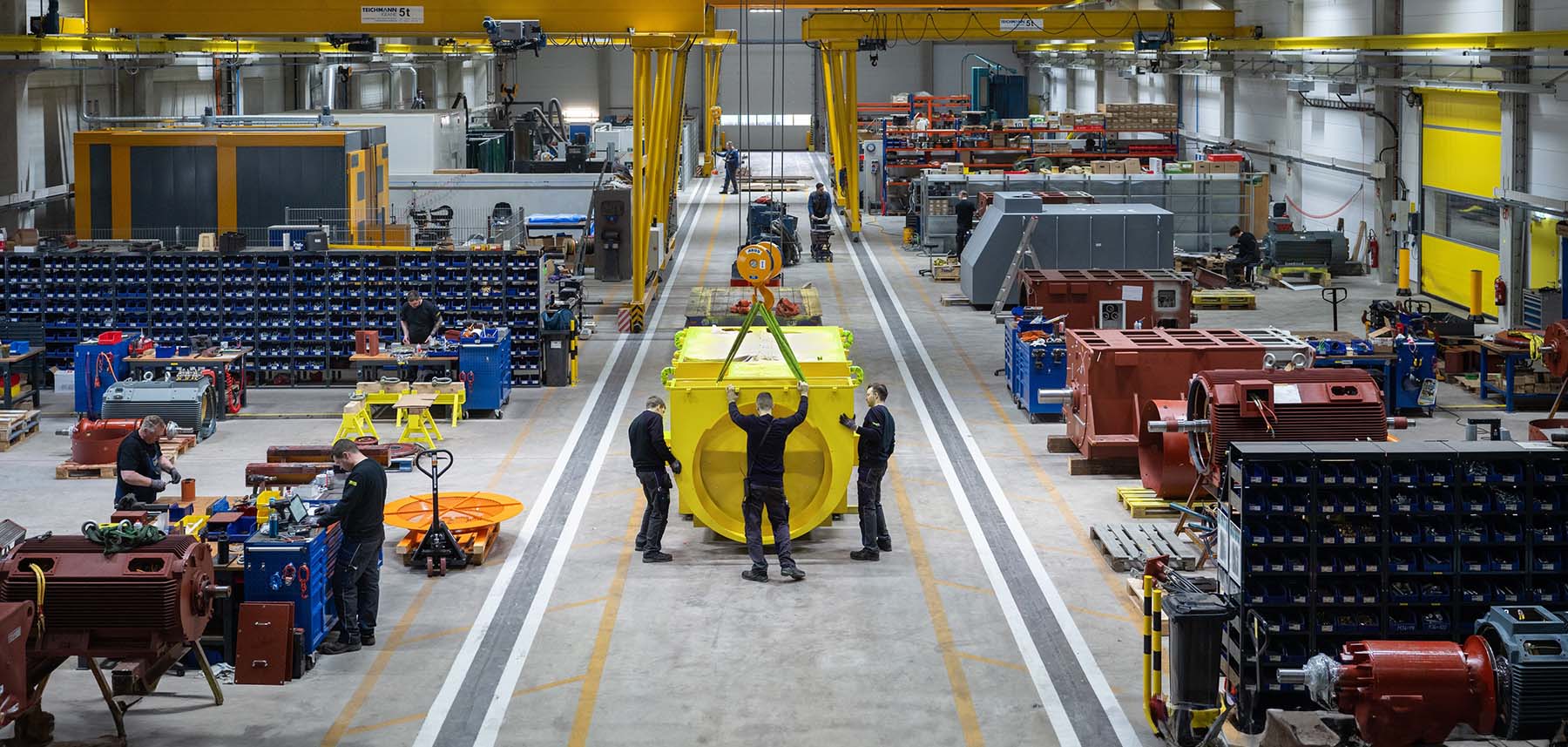
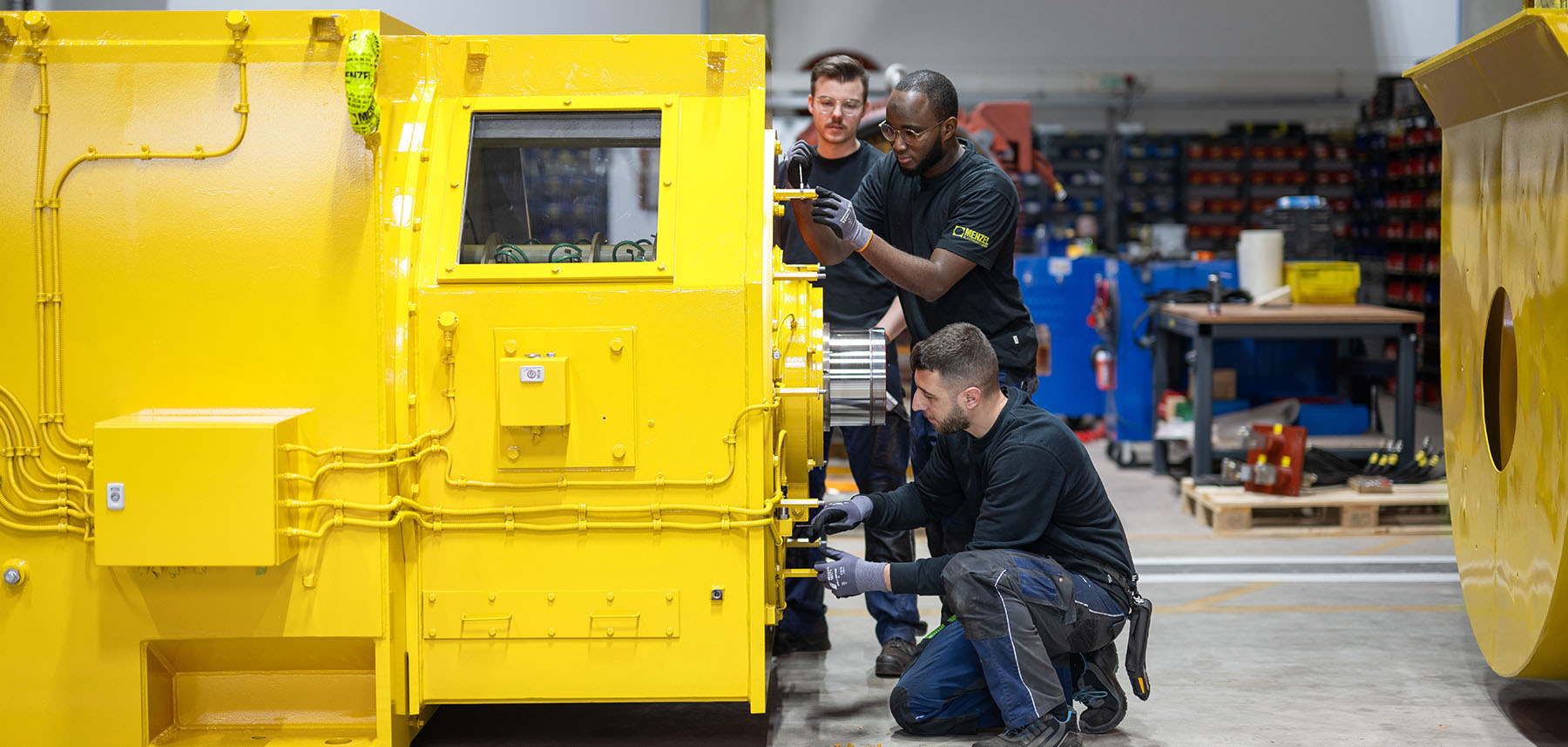
Figure 1: High-voltage heavy duty motor assembly hall at Menzel Elektromotoren in Hennigsdorf, Germany, customized for heavy industrial shock loads.
Comparing Motor Technologies for Heavy Duty Shredder Duty
When evaluating heavy duty shredder motors, global procurement specialists generally evaluate three core motor architectures: Asynchronous Slip Ring (Wound Rotor) Motors, Asynchronous Heavy Duty Squirrel Cage Motors, and Industrial DC Motors. The decision table below highlights key performance differences based on real-world recycling plant operational metrics:
| Motor Architecture | Starting Torque & Current | Shock Load Withstand | Speed Control Flexibility | Ideal Shredder Application |
|---|---|---|---|---|
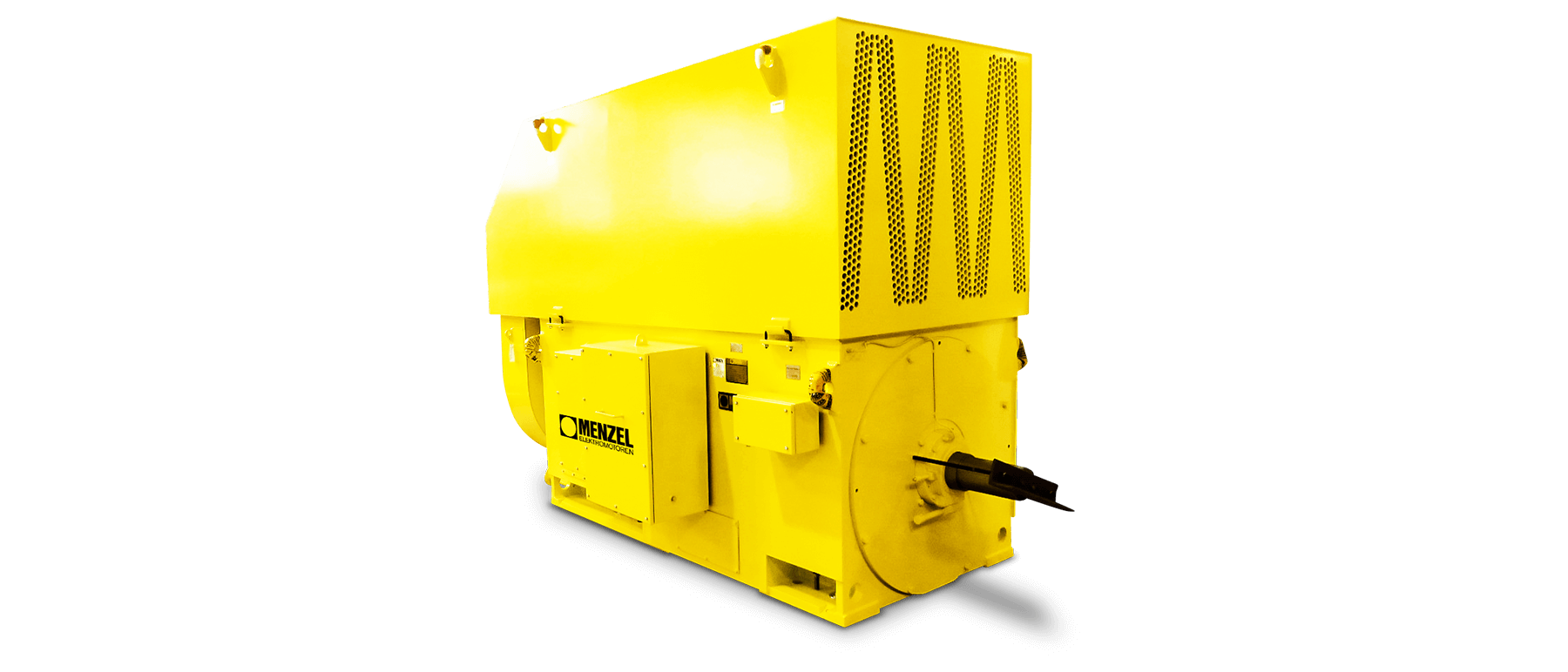
| Slip Ring (Wound Rotor) Motors | Very high starting torque (>250%) with extremely low starting current via liquid resistance starters (LRS). | Exceptional. External rotor resistance absorbs peak kinetic energy during sudden shredder jam events. | Moderate via slip resistance adjustments or VFD rotor control. | Heavy Scrap Metal Hammermills, Auto Shredders, Large Biomass Crushers (500 kW – 15,000 kW). |
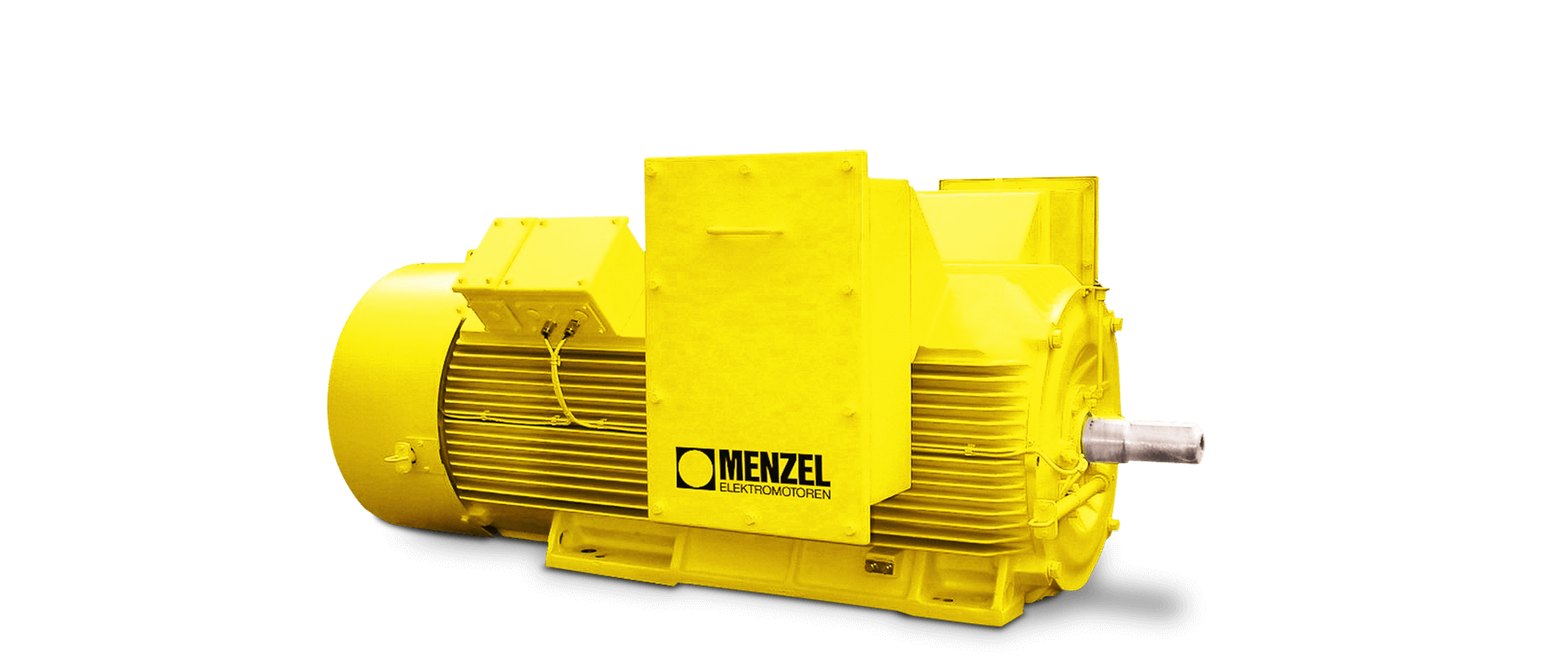
| Heavy Duty Squirrel Cage Motors | Standard direct-on-line (DOL) high inrush, but highly efficient when operated with heavy-duty inverter drives (VFD). | High, provided the motor frame is reinforced with ductile iron end-shields and heavy forged steel shafts. | Excellent when paired with modern active front-end (AFE) frequency converters. | Single & Double-Shaft Waste Shredders, Plastic Granulators, Tire Recycling Mills (110 kW – 25,000 kW). |
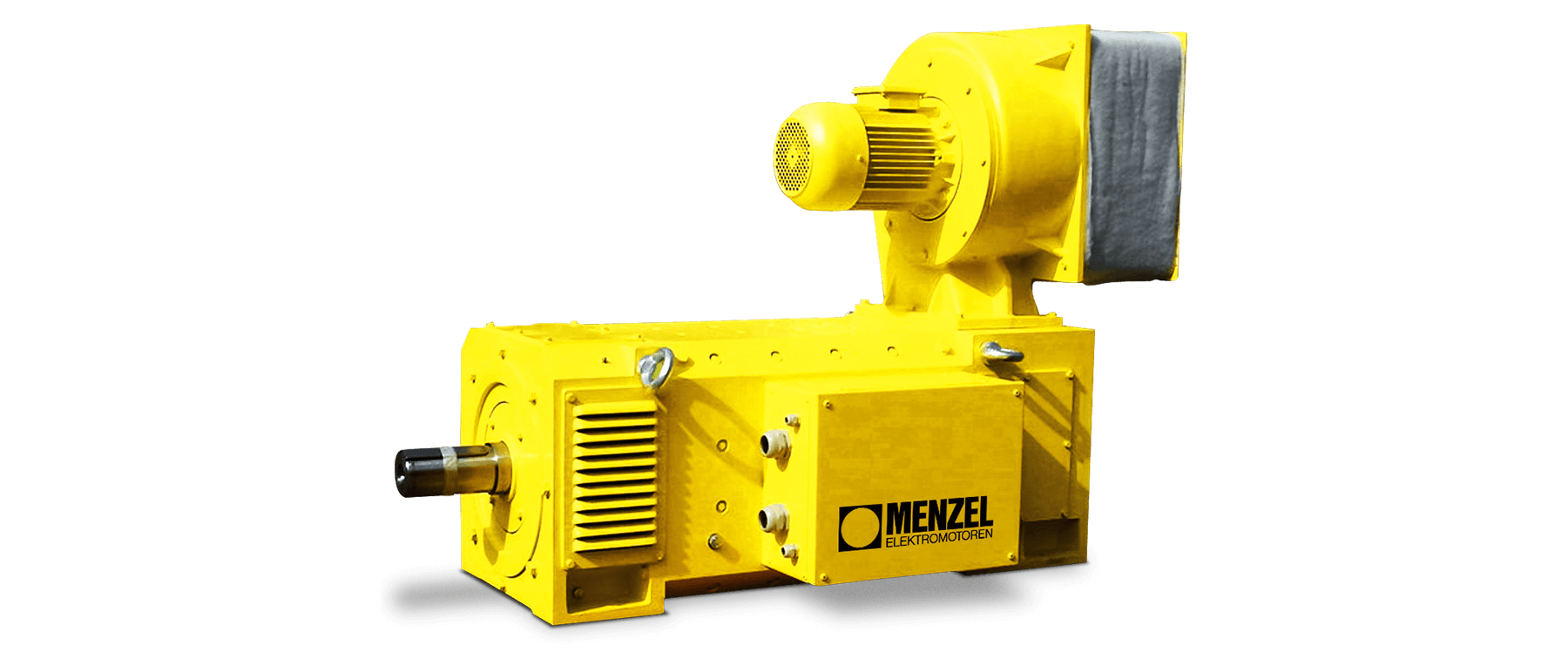
| Industrial Heavy Duty DC Motors | Full rated torque available from zero speed. High overload torque up to 300% for short durations. | Good mechanical resilience; requires clean ambient air filtration for commutator commutator longevity. | Superior precise speed and dynamic reversing torque control. | Specialty Metal Strip Shredders, Legacy Scrap Mills, Precision Rubber & Polymer Shredders (50 kW – 2,000 kW). |