Industrial Motor Engineering Whitepaper

Top Trusted Cast Iron Frame Motors Suppliers & Exporter

Comprehensive Procurement Guide & Technical Analysis: Heavy-Duty Industrial Electric Drives, High-Voltage Induction Systems, and Global Manufacturing Standards (IEC/EN 60034, VDE, DIN ISO)

Verified Heavy-Duty Solutions

Featured Industrial Cast Iron & Severe-Duty Motors Portfolio

Engineered for extreme torsional rigidity, maximum thermal dissipation, and continuous operating reliability in heavy-process applications worldwide.

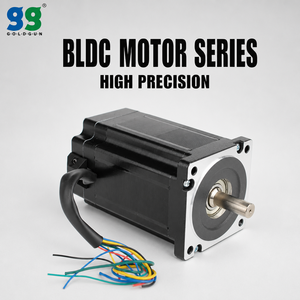
BLDC / DC Automation Industrial Automation DC Motors 48V 750W 110mm BLDC Brushless Motor Permanent Magnet Motor 2KW

Industrial Automation DC Motors for Electric 48V 750W 110mm BLDC Brushless Motor Permanent Magnet Motor Brushless 2KW

  • Voltage: 48V DC Low Voltage DC
  • Output: 750W to 2.0 kW Continuous
  • Frame: Compact 110mm High-Torque
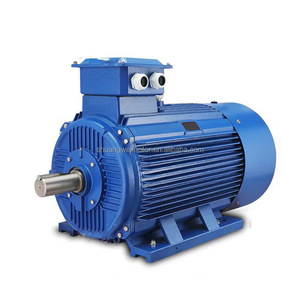
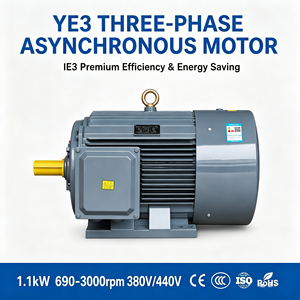
Three-Phase AC 30kw 45kw 55kw 75kw 160kw 200kw 2800rpm 380v AC Three Phase Induction Motor

30kw 45kw 55kw 75kw 160kw 200kw 2800rpm 380v AC Three Phase Induction Totally Enclosed High Efficiency 50/60HZ Electric Motor

  • Power: 30 kW – 200 kW (Cast Iron TEFC)
  • Speed: 2800 RPM (2-Pole Standard)
  • Protection: IP55 / IP56 Enclosure
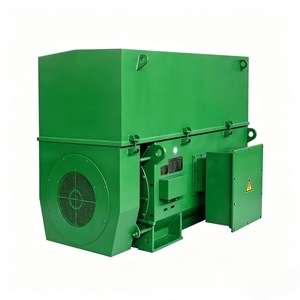
Medium/High Voltage Three-Phase Medium Voltage Induction Motor 3kv 6kv 10kv High Voltage AC

Three-Phase Medium Voltage Induction Motor 3kv 6kv 10kv High Voltage AC for Power Plant Boiler Fan IE3 IP55 Protection 50/60Hz

  • Voltage Range: 3kV / 6kV / 10kV HV
  • Application: Boiler Fans, Heavy Pumps
  • Efficiency: IE3 Premium High Efficiency
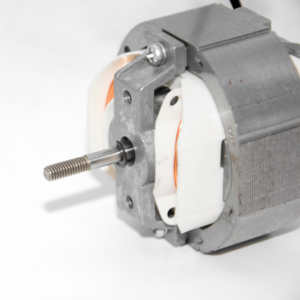
Commercial HVAC 220V/240V Commercial Kitchen Hood Exhaust Fan Motor Replacement Kit

220V/240V Commercial Kitchen Hood Exhaust Fan Motor Replacement Kit 60Hz Single-Phase Frequency Kitchen Vent Electric Motors

  • Voltage: 220V / 240V 60Hz Single-Phase
  • Duty: High Temperature & Grease Resistant
  • Type: Exhaust Vent Replacement Kit
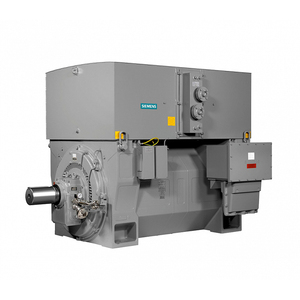
Heavy MV Motor 3300v 5500v 6600v Medium Voltage Motor Siemens High Voltage 1000hp Electric Motor

3300v 5500v 6600v Medium Voltage Motor Siemens High Voltage 1000hp Electric Motor Ac Induction Motor

  • Rating: 1000 HP Heavy Duty Heavy Load
  • Voltage: 3.3kV / 5.5kV / 6.6kV MV
  • Design: Modular Cast Iron / Steel Ribbed
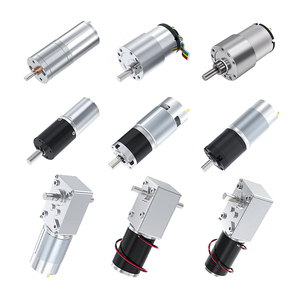
Micro Planetary Customize DC Gear Motor 3V 6V 18V 36V 48V Electric Micro RC Planetary Gearbox Motors

Customize DC Gear Motor 3V 6V 18V 36V 48V Electric Micro RC Planetary Brushless Brushed Gearbox Motors With Gear Box

  • Supply: 3V to 48V DC Custom Options
  • Gearbox: High Reduction Precision Planetary
  • Flexibility: Brushed & Brushless Tailored
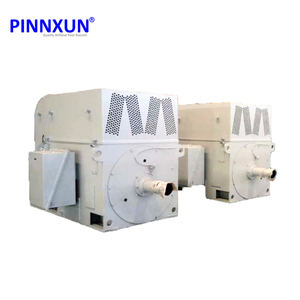
Slip Ring / YKK YKK YRKK 3300v 4160V 5500V 6000V Ac Induction Motor 150KW-9000kw

YKK YRKK 3300v 4160V 5500V 6000V Ac Induction Motor 150KW-9000kw Medium Voltage Motor

  • Capacity: 150 kW to 9000 kW (9 MW)
  • Series: YKK Squirrel Cage / YRKK Slip Ring
  • Cooling: IC611 Air-to-Air Heat Exchanger
Industrial Low Voltage Ac Induction Electric Motor 3phase Supplier 18.5kw 22kw 30kw 45kw 55kw 75kw 160kw 200kw 2800rpm

Ac Induction Electric Motor 3phase Supplier 18.5kw 22kw 30kw 45kw 55kw 75kw 160kw 200kw 2800rpm 220v 380v

  • Range: 18.5 kW – 200 kW Standard Frames
  • Dual Voltage: 220V / 380V / 415V / 660V
  • Winding: 100% Electrolytic Copper VPI
1927
German Engineering Heritage
25 MW
Max Heavy Output Capacity
13.8 kV
Maximum Voltage Isolation
100%
Full-Load Acceptance Tested
E-E-A-T Technical Specification Whitepaper

Cast Iron Frame Electric Motors: Structural Mechanics, Damping Properties & Global Procurement Guide

In heavy industrial processing, the mechanical casing of an electric motor is far more than a protective skin. It is the primary structural backbone responsible for maintaining precision air-gap tolerances under severe electromagnetic loads, dampening mechanical resonance, and dissipating heat under continuous S1 duty cycles. As global industries accelerate toward higher power densities and stringent energy efficiency mandates (IEC 60034-30-1 IE3/IE4/IE5 standards), **cast iron frame motors** remain the undisputed industry standard for severe-duty and high-power applications.

Information Gain Insight: Unlike lightweight aluminum enclosures that experience thermal expansion structural shifts above 110°C, high-grade grey cast iron (EN-GJL-200 / HT200 to HT250) offers a lower coefficient of thermal expansion combined with an exceptional internal mechanical damping capacity (up to 10 times higher than aluminum). This preserves bearing life and prevents rotor-stator eccentricities under shock loads.

Building upon a legacy of German manufacturing excellence established in 1927, leading suppliers like Menzel Elektromotoren have demonstrated that combining robust cast iron housing engineering with custom electrical designs up to 25 MW and 13.8 kV provides plant operators with unmatched operational uptime. Whether powering primary crusher drives in mining, boiler feed pumps in power generation, or high-torque rolling mills in steel production, understanding frame mechanics and procurement criteria is paramount for engineering directors and global procurement managers.

Material Engineering Comparison: Cast Iron (GG20/GG25) vs. Aluminum vs. Fabricated Steel

Selecting the optimal enclosure material requires evaluating mechanical yield strength, thermal conductivity, dynamic vibration absorption, and environmental corrosion resistance. The data below outlines key engineering performance parameters across major industrial enclosure types:

Engineering Property Grey Cast Iron (EN-GJL-200 / GG20) Cast Aluminum (AlSi10Mg) Fabricated Welded Steel
Tensile Strength (MPa) 200 - 300 MPa 160 - 240 MPa 400 - 520 MPa
Mechanical Damping Capacity High (0.04 - 0.08 loss factor) Low (0.003 - 0.008 loss factor) Moderate (0.01 - 0.02 loss factor)
Thermal Expansion Rate (10⁻⁶/K) 10.5 (Matches Lamination Steel) 23.0 (High Expansion Risk) 12.0 (Close Match)
Corrosion Resistance (C4/C5 Marine) Superior (Natural Oxide Barrier) Moderate (Requires Anodization/Paint) Low (Prone to Weld Line Oxidation)
Structural Torsional Stiffness Extremely Rigid / Zero Flexing Low Rigidity / Deflects under load High Rigidity (Requires Stress Relief)
Max Economic Frame Range IEC Frame 80 to 560+ (Medium to HV) IEC Frame 56 to 160 (Low Power) IEC Frame 400 to 1000+ (Large Custom)

Dynamic Damping & ISO 10816 Compliance

Cast iron's graphite flake microstructure naturally absorbs high-frequency vibrations generated by pulse-width modulated (PWM) inverter drives and mechanical unbalance. This minimizes vibration transmission to shaft bearings, keeping overall motor vibration velocity well under ISO 10816 Class A/B thresholds (< 1.8 mm/s RMS).

Thermal Expansion Synchronization

The thermal expansion coefficient of GG20 cast iron (10.5 × 10⁻⁶/K) almost perfectly matches the stator magnetic lamination core (silicon steel). This prevents thermal binding, maintains uniform air-gap concentricity across extreme temperature gradients (-40°C to +60°C ambient), and eliminates acoustic hum.

Severe-Duty C5-M Coating Systems

Cast iron provides an ideal porous substrate for industrial epoxy-polyurethane paint systems. Specially engineered multi-coat finishes achieve ISO 12944 C5-M (Marine Heavy Industrial) corrosion classification, standing up to airborne hydrogen sulfide, salt spray, acidic fumes, and aggressive chemical washdowns.

Strategic Procurement Horizon

Future Sourcing Trends for Cast Iron Frame Motors (2025–2030)

As global industrial infrastructure undergoes digital transformation and decarbonization, the market requirements for cast iron frame motors are shifting rapidly. Procurement directors must align their supply chain strategies with these critical emerging trends:

1. Transition to IE4 & IE5 Super-Premium Efficiency

Stricter global minimum energy performance standards (MEPS) mean plant operators are retiring older IE1/IE2 motors. Modern cast iron frames are designed with enlarged slot geometries and extended core lengths to accommodate low-loss copper windings and specialized permanent magnet synchronous rotor options without modifying mounting dimensions (IEC interchangeability).

2. Embedded Predictive Maintenance Sensors (IIoT Ready)

Top cast iron motor suppliers now integrate dual-axis vibration sensors, embedded PT100 stator resistance temperature detectors (RTDs), and SPM (Shock Pulse Method) bearing monitoring ports directly into the cast frame structures. This enables real-time cloud diagnostic telemetry and prevents catastrophic unplanned downtime.

3. Modular VFD Insulation Systems (CR2000 Impregnation)

With over 70% of heavy motors now driven by Variable Frequency Drives, modern insulation engineering utilizes Vacuum Pressure Impregnation (VPI) with corona-resistant surge-shield enamel wire. This eliminates partial discharge and stator breakdown caused by high dv/dt voltage spikes from IGBT switches.

Global Manufacturing & Supply Chain Heritage

Why Top Industrial Operations Rely on Established German & Global Exporters

When selecting a cast iron frame motor supplier, technical credibility and emergency response capability are just as critical as motor nominal performance. Drawing upon global engineering standards pioneered by industry leaders like Menzel Elektromotoren (established in Germany in 1927), premium motor manufacturers differentiate themselves through robust engineering customization and emergency stock availability.

Extensive High-Power Stock

Maintaining one of the world's largest inventories of large industrial motors—including squirrel cage, slip ring, and DC units up to 25,000 kW—ensures immediate emergency replacement when plant failure threatens massive production downtime.

In-House Full-Load Test Fields

State-of-the-art testing facilities capable of full-load acceptance testing up to 25 MW and voltages up to 13.8 kV guarantee that every customized motor matches precise load torque curves before dispatch.

Mechanical Adaptation & Replicas

Experienced modification teams can engineer custom shaft extensions, special mounting flange dimensions, and altered terminal box locations to ensure 100% mechanical drop-in replacement for legacy machines no longer produced by original OEMs.

Technical FAQ & Intent Mining

Frequently Asked Questions: Cast Iron Frame Motor Sourcing & Engineering

Q: Why are cast iron frames preferred over aluminum frames for heavy industrial electric motors?

Cast iron offers superior mechanical strength, torsional rigidity, and dynamic damping characteristics compared to aluminum. Under severe shock loads, frequent direct-on-line (DOL) starts, or heavy duty-cycle operations, cast iron maintains exact rotor-stator airgap tolerances without structural twisting. Furthermore, grey cast iron has a thermal expansion coefficient that closely matches the silicon steel lamination core, preventing internal stress buildup at elevated operating temperatures.

Q: How does frame damping reduce bearing wear according to ISO 10816 vibration standards?

Cast iron (such as EN-GJL-200 / GG20) possesses a high graphite flake density that dissipates vibration energy internally (loss factor up to 0.08). By damping high-frequency dynamic forces generated by shaft misalignment or inverter harmonics, vibration amplitudes at the bearing housings are significantly suppressed. This reduces bearing fatigue and race pitting, extending bearing L10h operational life well past 100,000 continuous hours.

Q: What insulation standards are required when running high-voltage cast iron motors on VFD drives?

When operating on Variable Frequency Drives (VFDs), electric motors experience high dv/dt voltage transients and reflected wave surges. Top exporters utilize Class H insulation materials operated with Class B temperature rise, coupled with Vacuum Pressure Impregnation (VPI) using solventless resin. Insulated non-drive-end (NDE) bearings or grounding brushes (such as Aegis ring systems) are installed to prevent shaft voltages from destroying bearing ball races.

Q: Can custom cast iron frame suppliers manufacture 1:1 drop-in replacement motors for legacy industrial machinery?

Yes. Premier manufacturers specialize in re-engineering historical or obsolete motor designs. By capturing precise shaft height, bolt-hole center distances, flange pitch circle diameters, and terminal box orientations, engineers fabricate custom cast iron end-shields and adapter frames. This eliminates the need for expensive civil foundation modifications at the industrial site.

Q: What cooling methods are standard for medium and high-voltage cast iron frame motors?

Common cooling methods according to IEC 60034-6 include: IC411 (Totally Enclosed Fan Cooled with external surface fins), IC611 (Totally Enclosed Air-to-Air Heat Exchanger), and IC81W (Totally Enclosed Water-to-Air Cooled). For heavy dust or harsh ambient environments like mining or cement manufacturing, IC611 and IC81W cast iron enclosures ensure internal motor components remain pristine regardless of external air quality.

Request Technical Specifications & Full Motor Product Catalog

Need urgent drop-in replacement motors, customized high-voltage cast iron drives, or severe-duty motor technical datasheets? Connect directly with our application engineering specialists.