Custom OEM Extruder Drive Electric Motors Factories & Factory

Engineered AC & DC Heavy-Duty Extruder Drive Systems Up to 25 MW & 13.8 kV | German Engineering Excellence Since 1927
Factory Direct Portfolio

Custom OEM Extruder Motors & Industrial Drive Showcase

Explore our engineered industrial motor series specifically designed or modified for demanding extruder drives, heavy-duty continuous processing lines, and high-torque machinery.

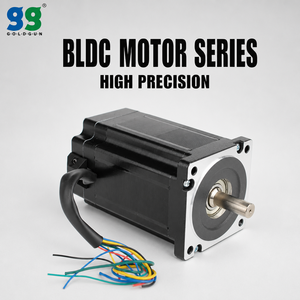
Industrial Automation DC Motor 48V 750W 110mm BLDC Motor 2KW
Industrial Automation DC Motor 48V 750W 110mm BLDC Brushless Motor Permanent Magnet Motor 2KW
Power: 750W - 2kW | Voltage: 48V DC
Type: BLDC Permanent Magnet | Use: Micro Extruders & Feeders
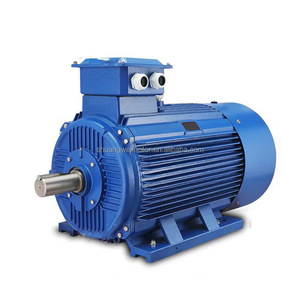
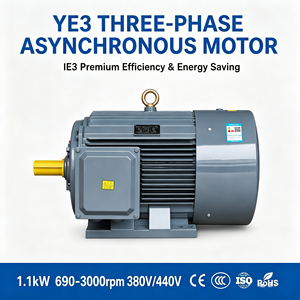
30kw 45kw 55kw 75kw 160kw 200kw 380v AC Three Phase Induction Motor
30kw 45kw 55kw 75kw 160kw 200kw 2800rpm 380v AC Three Phase Induction Totally Enclosed Motor
Power: 30kW - 200kW | Speed: 2800 RPM
Enclosure: TEFC IP55 | Voltage: 380V 50/60Hz
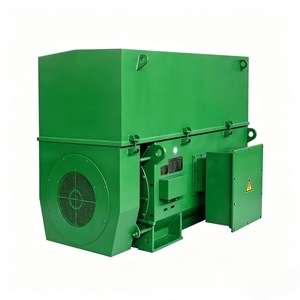
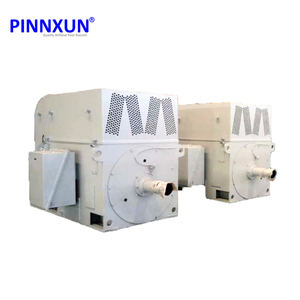
Three-Phase Medium Voltage Induction Motor 3kv 6kv 10kv AC Motor
Three-Phase Medium Voltage Induction Motor 3kv 6kv 10kv High Voltage AC for Power Plant & Extruders IE3 IP55
Voltage: 3kV / 6kV / 10kV | Efficiency: IE3 High Efficiency
Protection: IP55 / IC611 | App: Heavy Industrial Extruders & Fans
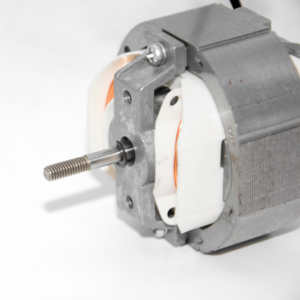
220V/240V Exhaust Fan Motor Kit Single-Phase Frequency Vent Motor
220V/240V Commercial Kitchen Hood Exhaust Fan Motor Replacement Kit 60Hz Single-Phase Vent Electric Motor
Voltage: 220V/240V 60Hz | Phase: Single Phase
Duty: Continuous Thermal Protection | App: Auxiliary Cooling Vent
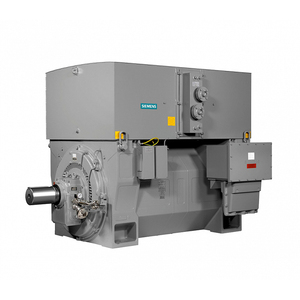
3300v 5500v 6600v Medium Voltage Siemens Equivalent 1000hp Electric Motor
3300v 5500v 6600v Medium Voltage Motor Siemens Equivalent 1000hp Electric Motor AC Induction Motor
Output: 1000 HP (750 kW) | Voltage: 3.3kV / 5.5kV / 6.6kV
Design: High-Voltage Modular Frame | App: Extruders & Heavy Mills
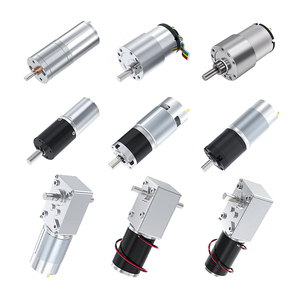
Customize DC Gear Motor 3V 6V 18V 36V 48V Electric Micro Planetary Motors
Customize DC Gear Motor 3V 6V 18V 36V 48V Electric Micro RC Planetary Brushless Brushed Gearbox Motors
Voltage: 3V - 48V DC | Gearbox: High-Precision Planetary
Customization: Shaft, Gear Ratio, Mounting Flange
YKK YRKK 3300v 4160V 5500V 6000V AC Induction Motor 150KW-9000kw
YKK YRKK 3300v 4160V 5500V 6000V AC Induction Motor 150KW-9000kw Medium Voltage Slip Ring Motor
Range: 150 kW - 9,000 kW | Type: Slip Ring / Wound Rotor
Cooling: IC611 Air-to-Air Exchanger | Duty: High Breakaway Torque
AC Induction Electric Motor 3phase Supplier 18.5kw to 200kw 2800rpm
AC Induction Electric Motor 3phase Supplier 18.5kw 22kw 30kw 45kw 55kw 75kw 160kw 200kw 2800rpm 220v 380v
Power: 18.5 kW - 200 kW | Voltage: 220V / 380V / 415V
Frame: Cast Iron Heavy Industrial | Certifications: CE, ISO, VDE
1927 German Engineering Heritage
25 MW Max Power Capacity
13.8 kV Max Voltage Capability
24/7 Emergency Stock Dispatch
Technical Engineering Whitepaper

Custom OEM Extruder Drive Electric Motors: Engineering Standards & Manufacturing Dynamics

Extrusion technology represents one of the most demanding operational environments in modern industrial processing. Whether compounding engineering polymers, processing synthetic rubber, manufacturing continuous food products, or extruding heavy aluminum profiles, the driving electric motor operates as the critical mechanical heart of the entire processing line. Specifying, engineering, and manufacturing a custom OEM extruder motor requires a deep synthesis of electromechanical design, advanced thermal management, precise variable frequency drive (VFD) compatibility, and severe-duty mechanical integrity.

Unlike standard pump or fan drives that operate on quadratic torque profiles, industrial extruders subject electric motors to constant torque characteristics over extreme speed turn-down ratios (often 10:1 up to 100:1 via VFD control). Furthermore, high cold-start viscosity of polymer melts demands immense breakaway torque capability (frequently 200% to 250% of rated full-load torque) without over-stressing mechanical shafts or exceeding thermal dissipation limits.

Information Gain Insight for Extruder Procurement Officers: Standard off-the-shelf catalog motors operating under VFD speed control at low RPMs suffer severe thermal degradation because internal shaft-mounted cooling fans lose efficiency exponentially ($CFM \propto RPM$). OEM extruder motors manufactured by specialised factories like Menzel utilize independently powered forced-ventilation blower units (IC416 cooling), water-jacket cooling (IC81W), or heavy-duty air-to-air heat exchangers (IC611) to guarantee 100% continuous torque delivery at near-zero RPM without thermal trip or winding insulation breakdown.

Drive Architecture Comparison for OEM Extruder Machinery

Selecting the optimal motor topology for continuous extrusion requires balancing initial capital expenditure (CAPEX), long-term energy efficiency (OPEX), dynamic speed regulation, and physical foot-print constraint:

Motor Technology Speed Turn-Down & Control Breakaway Torque Cooling & Thermal Duty Ideal Extrusion Application
AC Asynchronous Squirrel Cage (Inverter Duty) 10:1 to 50:1 via Closed-Loop Vector VFD 180% - 220% FLT IC416 Forced Ventilation / IC611 Air-Air / IC81W Water Cooled Standard to Heavy Plastic, Pipe & Profile Extrusion Lines
AC Wound Rotor / Slip Ring Motor Controlled via External Resistance / Inverter Up to 250% FLT at low starting current IC01 / IC411 / IC611 Heavy Industrial Enclosures Ultra-Large Rubber Compounding & High Inertia Mixers
Industrial Heavy DC Drive Motor 100:1 Precise Armature Voltage Control 200% - 300% FLT Instantaneous IC06 Forced Blower Cooled with Dust Filtration Retrofit Lines, High Precision Sheet & Film Extruders
Permanent Magnet Synchronous Motor (PMSM) 100:1 Precision Servo/Vector Control 220% - 250% Constant Torque IC81W Liquid Jacket Cooled Compact Frame High-Output Twin Screw Extruders with Tight Space Constraints
Market & Procurement Strategy

Future Procurement Trends for OEM Extruder Electric Motor Sourcing

Global original equipment manufacturers (OEMs) and master plant engineers are shifting their motor procurement strategies in response to international efficiency mandates, decarbonization directives, and digitised smart factory frameworks. When evaluating custom OEM extruder drive factories, global procurement officers must align with four macro trends driving the industry forward through 2030:

1. Super Premium Efficiency (IE4 / IE5) Compliance

Energy consumption accounts for over 90% of an industrial extruder motor's total lifecycle cost. Sourcing strategies now strictly require IE4 (Super Premium) and IE5 (Ultra Premium) efficiency compliance across low and medium voltage AC induction and permanent magnet drive ranges. Custom motor factories utilize low-loss cold-rolled electrical steels (M270/M330 grades) and optimized copper slot filling factors to minimize stator core and rotor losses under VFD harmonics.

2. Integrated Condition Monitoring & IIoT Digital Twins

Modern extrusion production lines cannot tolerate unplanned downtime. Smart procurement mandates motors equipped with pre-installed vibration sensors (tri-axial MEMS), embedded PT100/PT1000 RTD thermistors in winding heads and bearing housings, and SPM (Shock Pulse Method) nipples. Modern OEM factories pre-integrate digital IO modules enabling predictive maintenance algorithms to communicate directly with Siemens PCS7, Rockwell, or ABB plant supervisory control platforms.

3. Modular OEM Mechanical Adaptability & Drop-In Replicas

Factory engineers are increasingly moving away from restrictive single-vendor supply chains. Leading OEM extruder motor suppliers offer modular frame construction where mounting feet position, terminal box orientations (top, left, right), shaft extensions (cylindrical, tapered, splined), and flange dimensions can be mechanically customized to create 100% mechanical drop-in replacements for obsolete motors from heritage brands.

R&D & Engineering Evolution

Technological & Engineering Development Trends in Extruder Motor Manufacturing

The electromechanical design of extruder motors has evolved significantly beyond classical induction machinery principles. Specialized factories are deploying breakthrough material science and electrical insulation technology to meet the stress of modern high-speed, high-pressure extrusion systems:

Advanced VFD Insulation Protection & Bearing Currents Dissipation

Modern fast-switching insulated-gate bipolar transistor (IGBT) and Silicon Carbide (SiC) variable frequency drives produce steep voltage rise rates ($dV/dt$ pulses exceeding 10-15 kV/μs). These high-frequency voltage spikes cause non-uniform voltage distribution across stator turn coils, leading to corona discharge and premature insulation failure.

  • Class H VPI (Vacuum Pressure Impregnation): Stator windings are treated under deep vacuum and high pressure using solventless epoxy resin, eliminating air voids and ensuring mica-tape dielectric strength >15 kV.
  • Insulated Bearings & Shaft Grounding Rings: To eradicate common-mode circulating bearing currents caused by VFD switching, OEM factories install hybrid ceramic ball/roller bearings or insulated bearing end-shields alongside AEGIS® shaft grounding micro-fiber rings.
  • Thermal Withstand Margin: Utilizing Class H insulation systems designed to operate at Class B thermal rise limits ($80^\circ\text{C}$ rise), providing an extraordinary thermal reserve under continuous overload conditions.
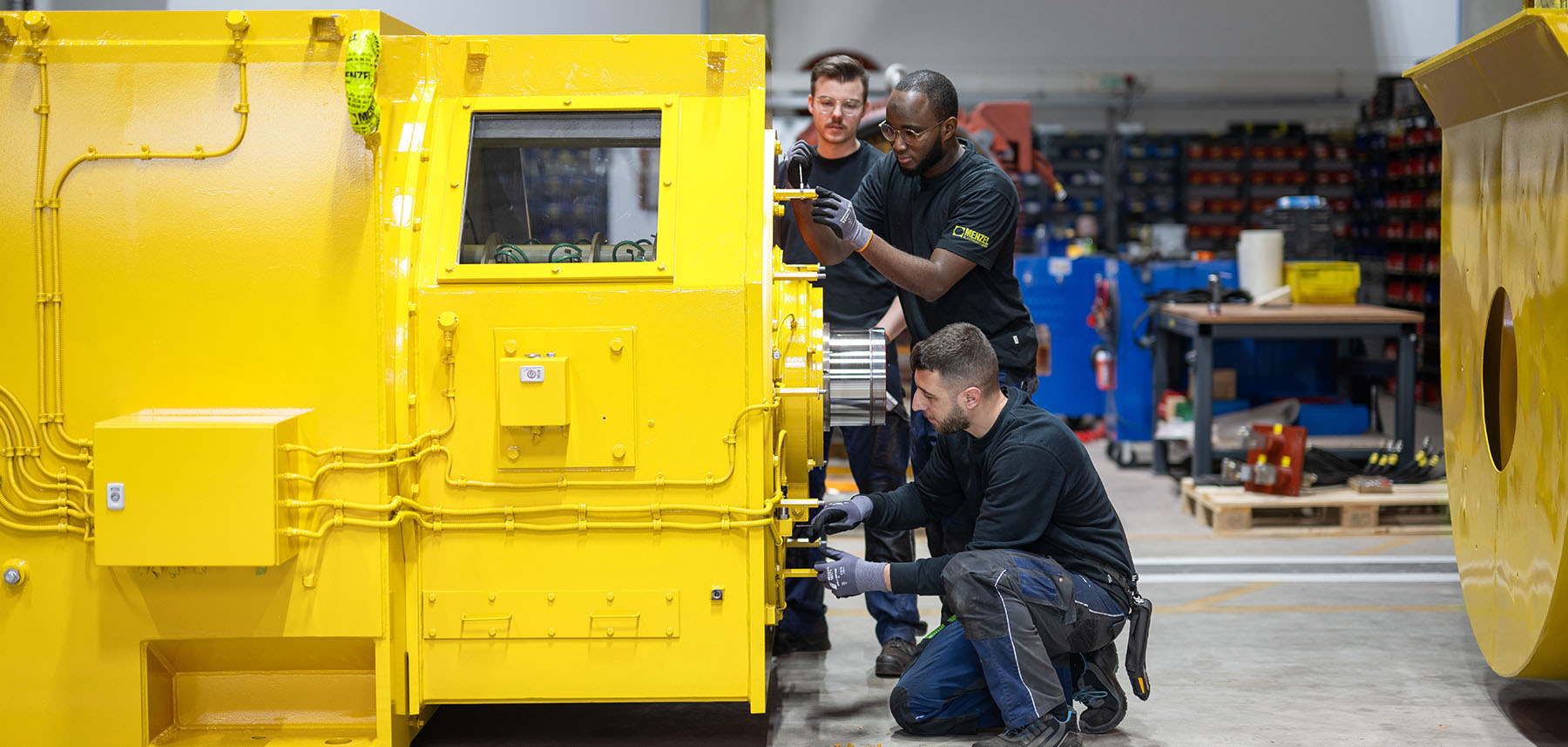
Technician assembling large industrial electric motor winding at Menzel Factory
Authority & Quality Verification

Menzel Elektromotoren: Premier German Factory for Custom OEM Extruder Motors

Founded in 1927 in Berlin, Germany, MENZEL Elektromotoren GmbH has provided custom engineering and rapid-dispatch manufacturing of large industrial electric motors for nearly a century. As an independent family-owned manufacturer, Menzel specializes in solving complex electromechanical drive challenges where standard off-the-shelf catalog manufacturers fall short.

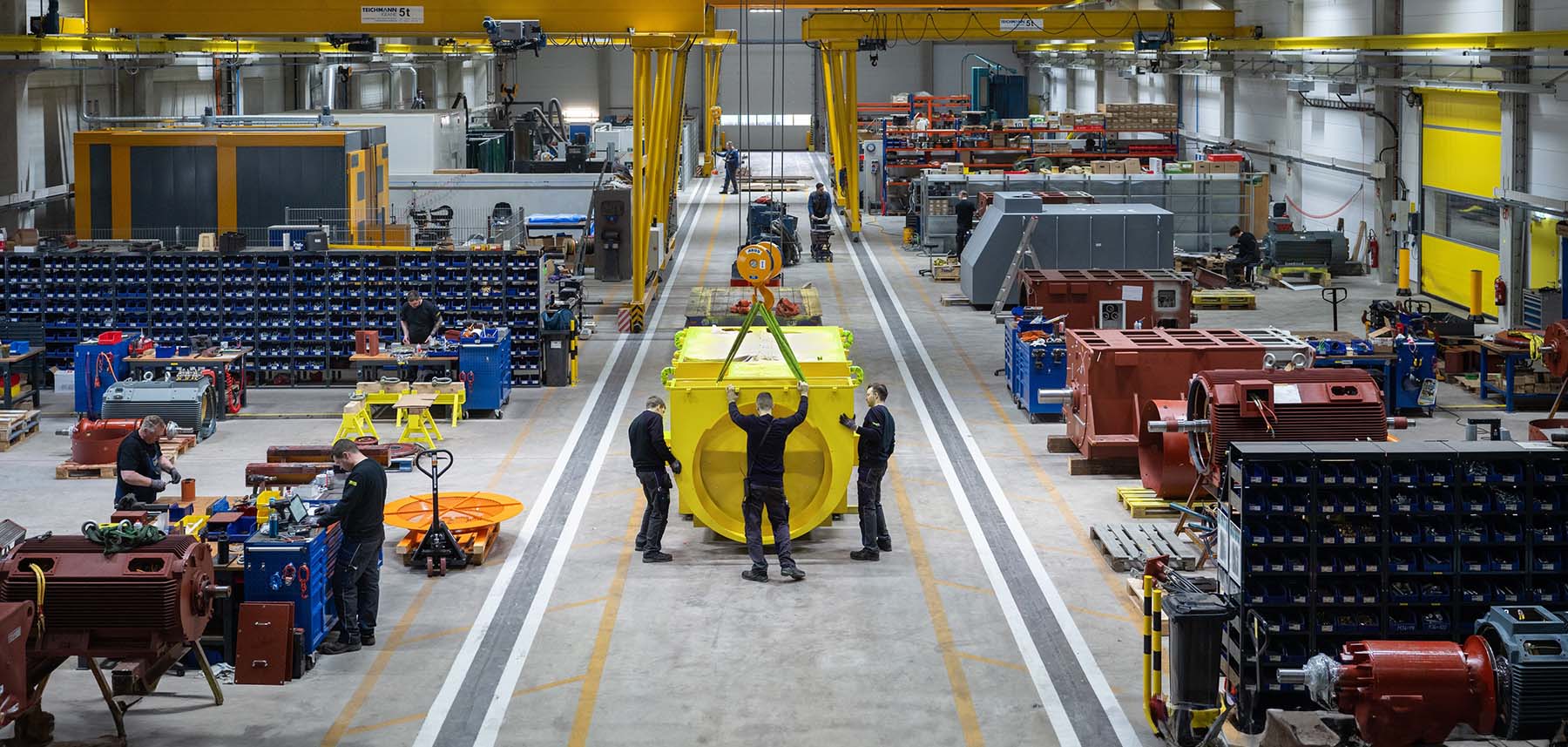
View through Menzel electric motor assembling hall and state of the art factory

State-of-the-Art Production & 25 MW Full-Load Test Field

Menzel’s purpose-built manufacturing plant in Hennigsdorf/Berlin integrates every critical engineering discipline under one roof. Our state-of-the-art facility features dedicated metal fabrication, precision CNC machining, automatic coil winding, VPI insulation tanks, and a world-class state-of-the-art motor testing field.

  • 25 MW Load Capacity: Capable of conducting full load, temperature rise, vibration, and routine testing for low, medium, and high voltage motors up to 13.8 kV.
  • Live Acceptance Testing Lounge: Global customers and third-party inspectors (TÜV, DNV, Lloyd's Register) can observe real-time motor performance data from our on-site observation lounge or via secure digital live stream.
  • Europe’s Largest Stock Reserve: Over 20,000 industrial motors stored in stock, allowing instant mechanical modification and 24/7 emergency dispatch to halt costly plant downtime.
International Certifications & Memberships: EASA Member AEMT Member ZVEH Certified VDI Member
Buyer Intent & FAQ

Frequently Asked Questions (FAQ) for Extruder Drive Motor Sourcing

Below are authoritative answers compiled by our senior drive engineering team to address technical, mechanical, and logistical questions common during OEM motor procurement.

What essential technical parameters are required to specify a custom OEM extruder drive motor?
To correctly size and engineer an extruder drive, our factory requires: 1) Rated Output Power (kW or HP), 2) Base Speed and Maximum Speed Range (RPM), 3) Supply Voltage & Frequency (e.g., 380V, 660V, 3.3kV, 6.6kV), 4) Required Duty Cycle (typically S1 continuous), 5) Enclosure & Cooling Type (IP55/IP56, IC416 forced air, IC81W water-cooled), 6) Ambient conditions (temperature, altitude, hazardous area rating ATEX/IECEx), and 7) Mechanical interface details (shaft extension diameter/keyway, foot-hole centers, or flange dimensions).
Why is forced ventilation (IC416) mandatory for variable speed extruder motors?
Standard self-cooled motors (IC411) rely on a fan mounted directly to the main motor shaft. When an inverter reduces motor speed to 10% or 20% during heavy polymer extrusion, the self-cooling fan airflow drops quadratically, leading to immediate thermal overheating under full load torque. An IC416 forced ventilation system employs an independently powered electric blower fan that operates at 100% constant speed regardless of the main drive motor RPM, guaranteeing optimal cooling across the entire speed range.
Can Menzel manufacture a 100% mechanical replica for an old or obsolete OEM extruder motor?
Yes. Menzel specializes in mechanical and electrical drop-in motor replicas. If your original extruder motor manufacturer has gone out of business or discontinued a heritage frame size, our design department evaluates your existing rating plate, footprint geometry, center height, shaft dimensions, and terminal box locations. We engineer and manufacture a brand-new motor that drops directly onto your existing baseplate without requiring civil modifications or gearbox repositioning.
How does Menzel protect motor windings against inverter-induced voltage spikes (dV/dt)?
All Menzel inverter-duty motors utilize high-grade mica insulation systems reinforced with inverter-spike-resistant magnet wire. Stator packs undergo Vacuum Pressure Impregnation (VPI) with solventless epoxy resin. For medium voltage drives (3.3kV to 13.8kV), we implement custom-engineered end-turn phase insulation and surge-withstand capability complying strictly with IEC 60034-18-41/42 standards.
What are the advantages of water-jacket cooled (IC81W) extruder motors over air-cooled units?
Water-jacket cooled motors (IC81W) offer extreme power density and quiet operation (<75 dBA). They circulate cooling liquid around the stator housing, transferring heat away from the processing floor into external plant heat exchangers. This eliminates thermal heat rejection into the extruder cleanroom, reduces motor frame physical volume by up to 40% compared to IC416 units, and protects internal motor components against airborne polymer dust, plasticizers, and harsh chemical fumes.
What protection classes are offered for extruder motors in hazardous chemical environments?
For chemical, petrochemical, or explosive dust extrusion applications (such as solvent compounding or powder handling), Menzel manufactures motors fully certified under ATEX and IECEx standards. Options include Increased Safety Ex ec, Dust-Ignition Proof Ex tc/Ex tb, and Pressurized Enclosures Ex p (where protective clean air/nitrogen gas purging maintains positive internal frame pressure).
What is the difference between replacing an old DC extruder motor with a new DC motor vs. converting to AC VFD?
Replacing an existing DC motor with a new direct-drop-in DC motor avoids expensive changes to your plant transformer, cabling, and SCR drive cabinet. Menzel manufactures heavy DC industrial motors up to 2,000 kW that match legacy DC footprints exactly. Alternatively, if converting to AC VFD drive technology for higher energy efficiency and lower brush maintenance, Menzel supplies low-speed, high-torque AC induction or permanent magnet motors engineered with identical shaft and foot dimensions to simplify the retrofit process.
How quickly can Menzel deliver an emergency replacement motor during a factory breakdown?
With over 20,000 industrial low, medium, and high voltage motors stored across our European facilities, Menzel offers 24/7 emergency dispatch. Our in-house machining, welding, and modification shop can adapt shafts, mounting flanges, or terminal box configurations within 24 to 48 hours, shipping urgent drive replacements worldwide to minimize catastrophic plant standstill costs.

Need a Custom OEM Extruder Motor or Rapid Factory Quotation?

Speak directly with our senior electromechanical drive engineers. Whether you require a custom OEM motor design for a new extrusion machinery series, a specialized high-voltage drive, or an immediate emergency replacement motor, Menzel delivers certified German precision.

Get a Quote