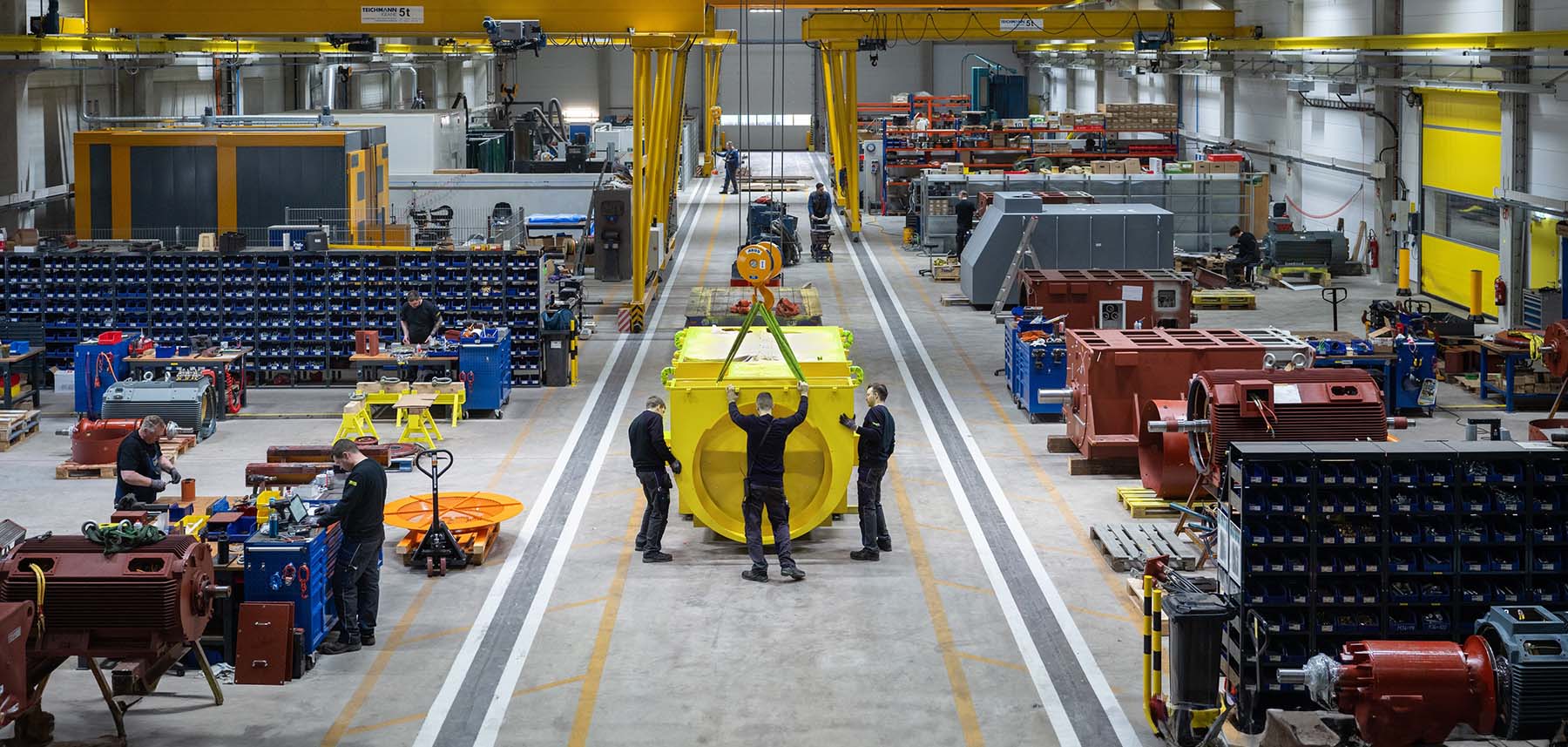
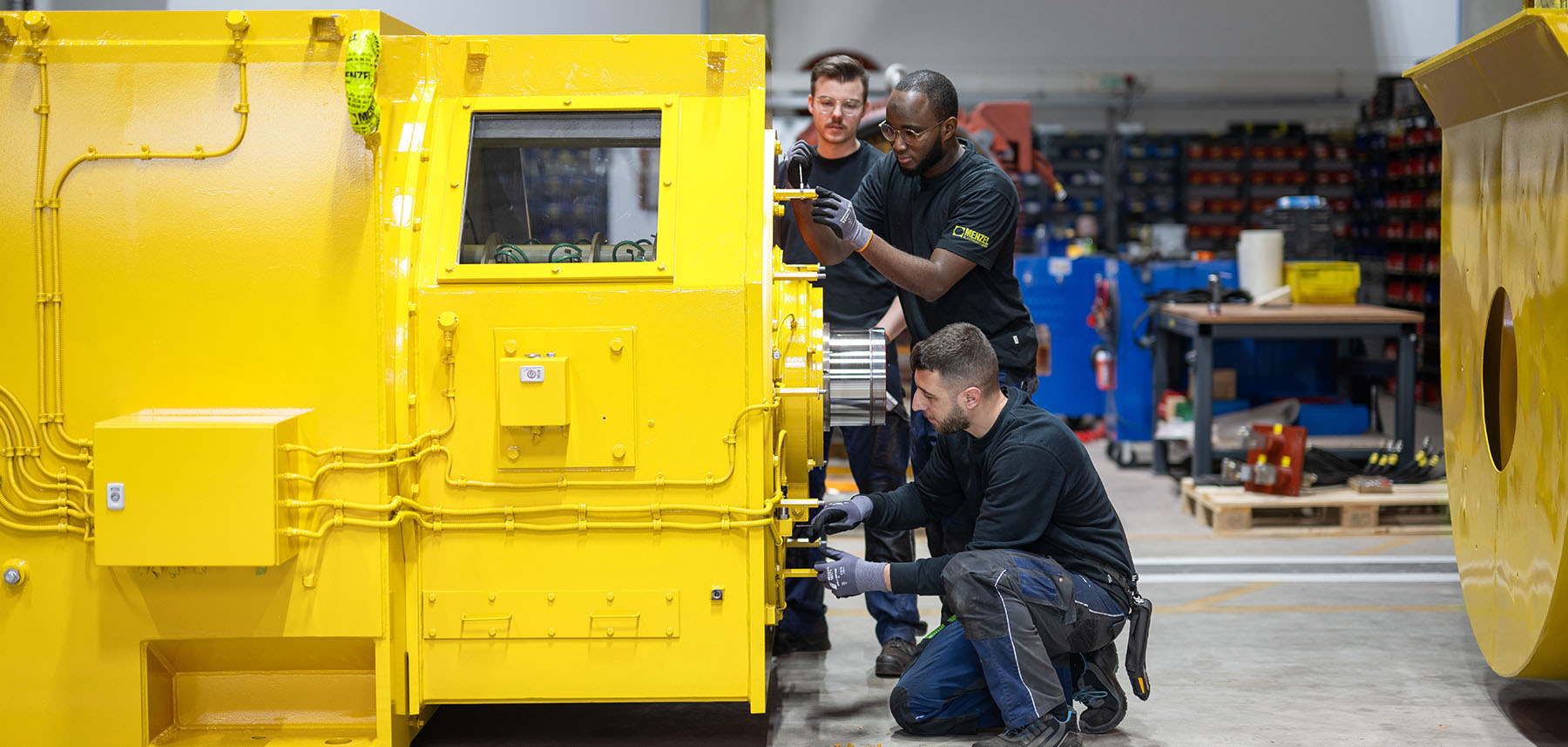
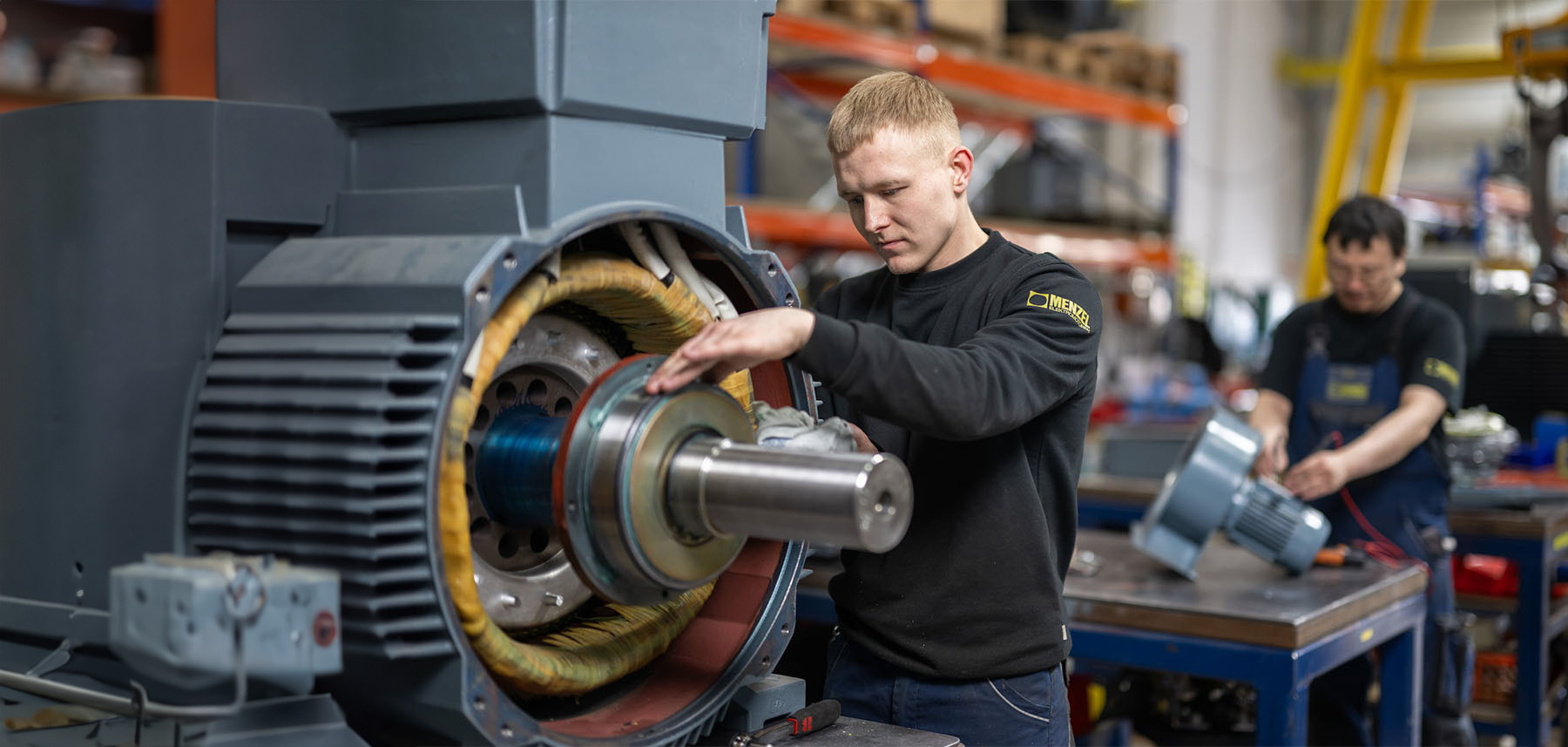
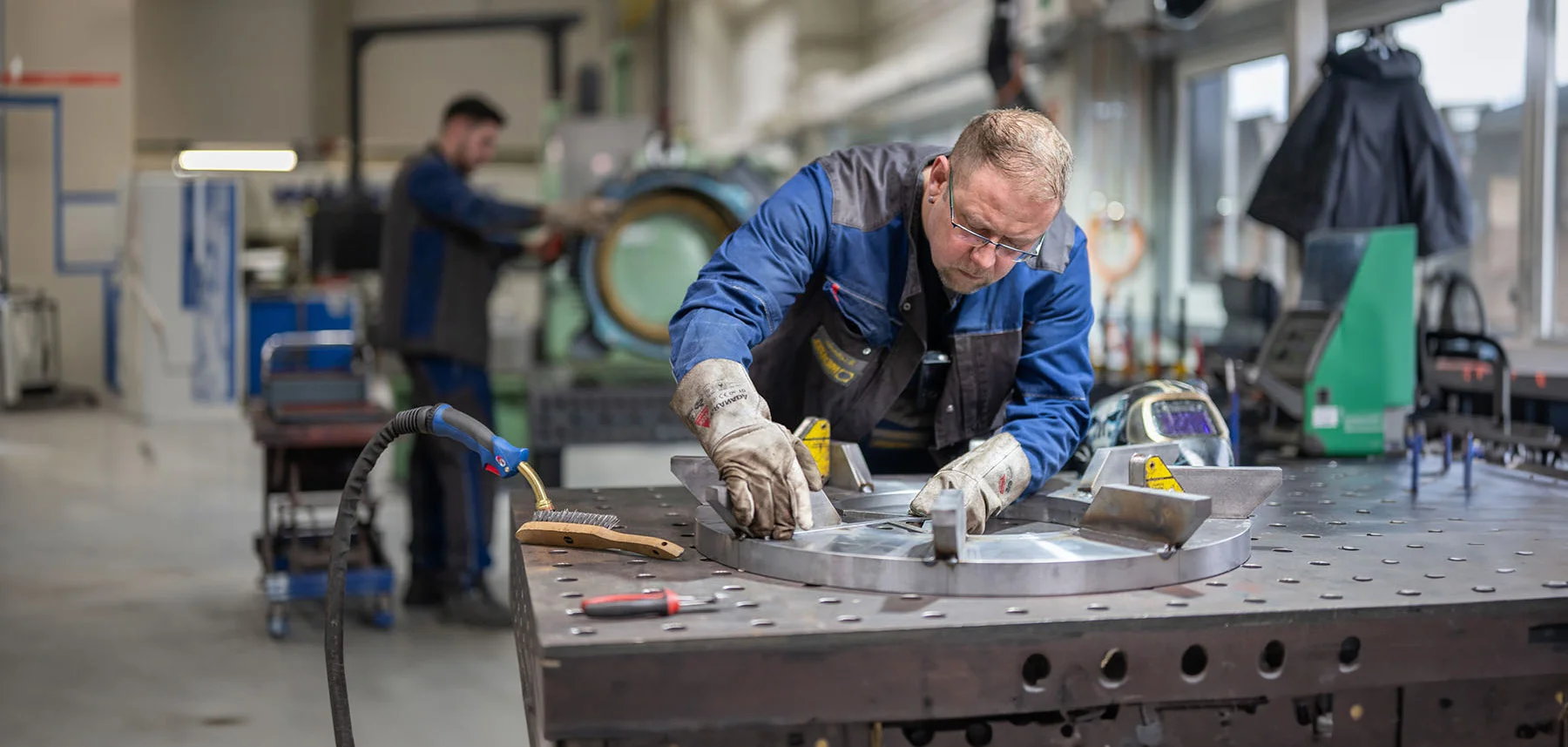
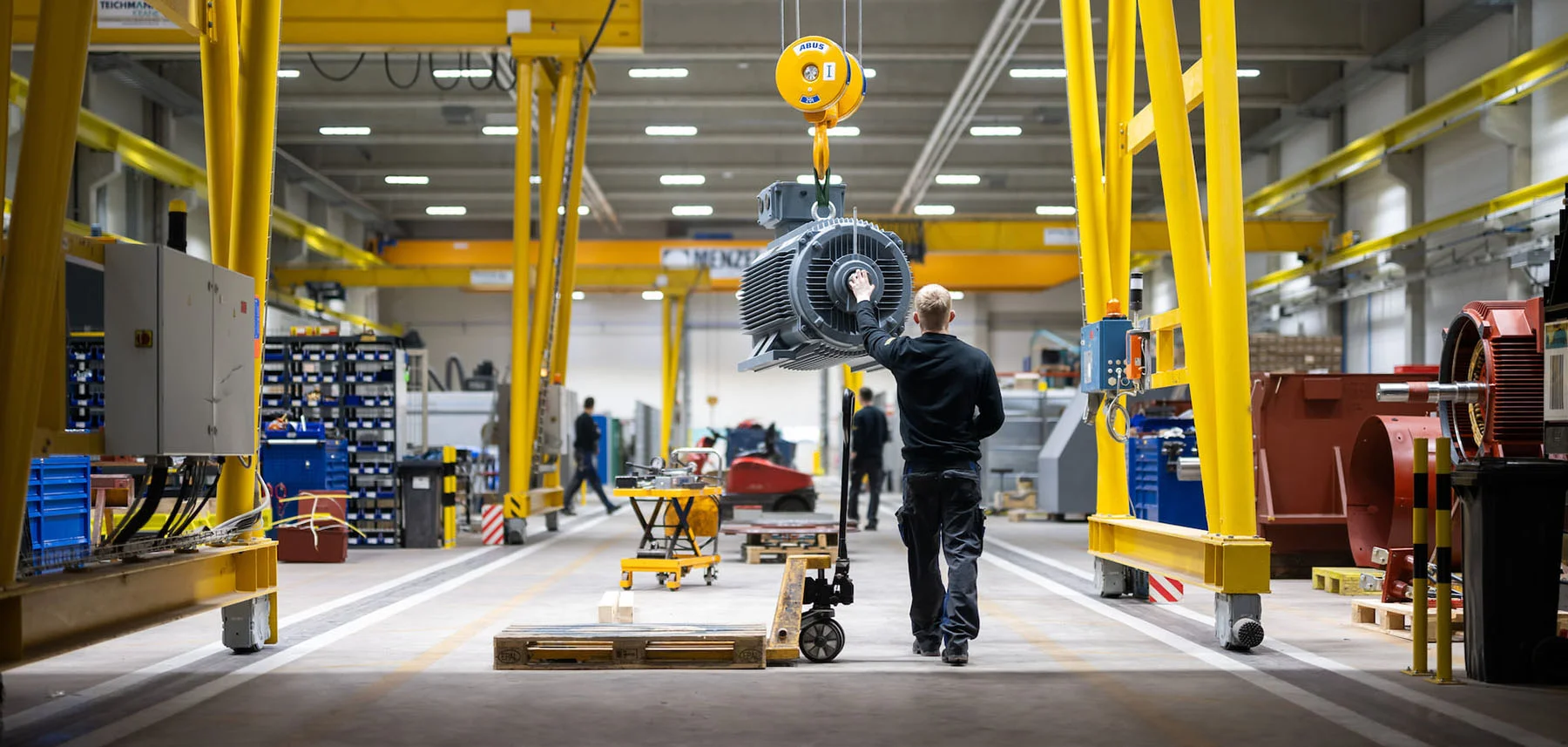
China has become a major manufacturing base for industrial electric motors, supported by extensive supply chains, engineering talent, and export infrastructure. Asynchronous squirrel cage motors remain widely used in pumps, fans, compressors, conveyors, and machine tools. Their simple rotor design offers strong durability, moderate maintenance needs, and dependable operation in demanding factories.
The International Energy Agency reports that electric motor systems consume roughly half of global electricity. This makes motor efficiency a practical business issue, not merely a technical preference. The IEA’s Energy Efficiency 2023 analysis also highlights efficiency improvements as an important way to reduce industrial energy demand. For buyers, choosing a suitable Chinese supplier requires more than comparing catalogue prices. IE3 or IE4 efficiency claims should be checked against IEC 60034-30-1 requirements, test records, and actual nameplate data. Small details matter: a 380 V, 50 Hz motor, IP55 enclosure, Class F insulation, and correct bearing selection can significantly affect field performance.
This guide evaluates China’s top suppliers through manufacturing capability, certification quality, export experience, customization support, and after-sales responsiveness. Factory audits, sample testing, and inspection of winding workmanship can reveal differences hidden by similar product photos. Some supplier pages look polished. That proves little. A reliable shortlist should include verified test reports, traceable materials, realistic delivery commitments, and clear warranty terms. No ranking is perfect. Application conditions, load profiles, ambient temperature, and local service access can change the final choice. The following overview therefore focuses on evidence-based comparison rather than advertising language.
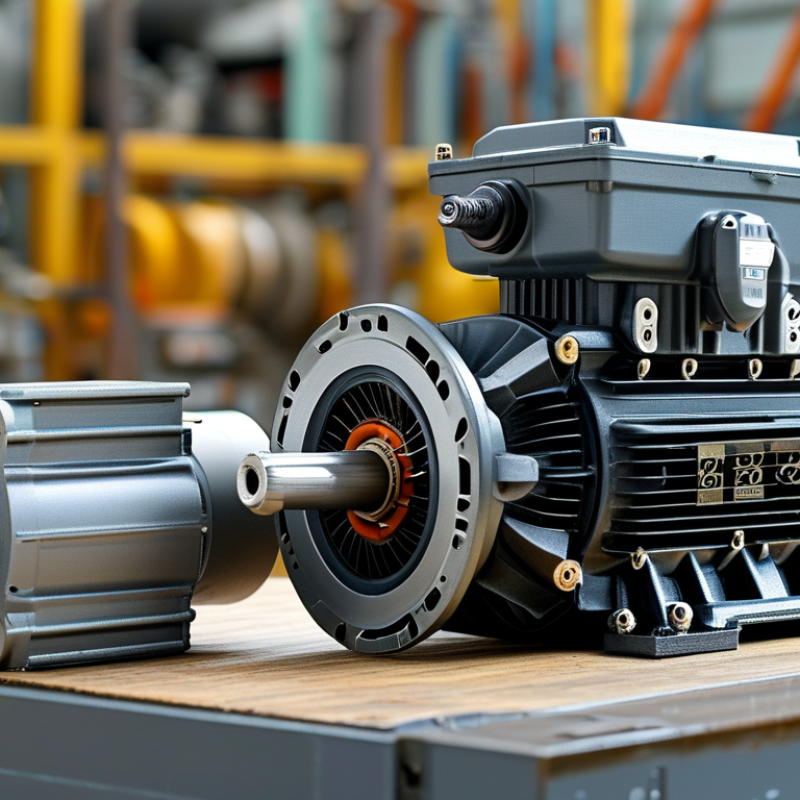
What Are Asynchronous Squirrel Cage Motors?
An asynchronous squirrel cage motor converts electrical energy into rotation through induction, without brushes or slip rings. Its stator creates a rotating magnetic field. This field induces current in the rotor bars, which are joined by metal end rings. The rotor follows the field, but never reaches its synchronous speed. That speed difference is called slip.
The design is rugged and comparatively simple. It suits pumps, fans, compressors, conveyors, and machine tools. The International Energy Agency reported that electric motor-driven systems used about 46% of global electricity, with industry representing roughly 69% of motor-related demand (IEA, Energy-Efficiency Policy Opportunities for Electric Motor-Driven Systems, 2011). Small efficiency gains matter. A motor running 6,000 hours yearly can waste substantial energy through poor sizing, high friction, or weak power quality.
Check the details.
Rated output alone is not enough. Engineers should compare efficiency class, load profile, starting current, enclosure protection, insulation system, bearing design, and service factor. IEC 60034-30-1 establishes efficiency classes for line-operated AC motors, helping buyers compare measured performance more consistently.
Variable-speed operation can reduce fan and pump energy sharply, but only when the drive, motor, cooling, and control settings match.
A practical warning remains. An oversized motor may run lightly loaded and inefficiently. A smaller motor may overheat during repeated starts. Supplier data also needs verification through test reports, traceable standards, and operating references. Claims look convincing on paper, yet field conditions often expose the difference.
How Asynchronous Squirrel Cage Motors Work
How Asynchronous Squirrel Cage Motors Work
An asynchronous squirrel cage motor converts electrical energy into rotation through electromagnetic induction. Three-phase current enters the stator windings and creates a rotating magnetic field inside the motor. The field moves faster than the rotor. This speed difference is called slip.
The rotor contains conductive bars connected by shorting rings at both ends. These bars usually sit inside a laminated iron core. The moving magnetic field cuts across the bars and induces current without brushes or direct electrical connections. That current creates another magnetic field, producing torque. No direct contact.
In practical operation, the rotor never fully matches the stator field. If it did, induction would stop and torque would disappear. A heavier load increases slip, allowing more rotor current and stronger torque. However, excessive slip causes heat, lower efficiency, and possible insulation damage. Proper cooling matters; blocked air passages can raise the frame temperature quickly. Bearings also need accurate alignment and suitable lubrication. Variable-frequency drives can control speed, but incorrect settings may create voltage stress or unwanted vibration. The basic explanation is clean, yet real motors are less forgiving. Small installation errors can become expensive faults.
China Top Asynchronous Squirrel Cage Motors Suppliers? — How Asynchronous Squirrel Cage Motors Work
At 50 Hz, the rotating magnetic field speed of an asynchronous squirrel cage motor is determined by the number of stator poles: Ns = 120 × f ÷ P. The rotor runs slightly below synchronous speed because slip is required to induce current in the squirrel cage and produce torque.
Why Choose Chinese Motor Suppliers?
Why Choose Chinese Motor Suppliers?
Chinese suppliers are strong candidates for asynchronous squirrel cage motors because they combine scale, engineering depth, and flexible production. The International Energy Agency reports that electric motor systems consume about half of global electricity. Efficiency is therefore a purchasing issue, not a minor specification. Chinese factories commonly provide IE2, IE3, and IE4 efficiency options, cast-iron housings, sealed bearings, and insulation suited to humid workshops. Many suppliers also support 50 Hz or 60 Hz designs, different voltages, and customized shaft dimensions.
The supply chain is another practical advantage. China has extensive access to electrical steel, copper, bearings, foundry services, and automated winding equipment. This can shorten production cycles and reduce customization costs. The U.S. Department of Energy states that motor systems can represent more than 70% of industrial electricity use. Small efficiency gains can therefore reduce long-term operating expenses. Ask for routine test records, temperature-rise results, vibration limits, and ISO 9001 certification. Independent inspection remains useful.
Price alone is not enough. A cheaper motor may use lighter components, weaker seals, or incomplete testing. No supplier is perfect. Some datasheets also look better than real factory performance. Buyers should compare measured efficiency, warranty terms, spare-part access, and delivery consistency. A factory video helps, but it proves little. The better decision combines audited evidence, sample testing, and clear technical communication. Mistakes still happen, especially when duty cycles and local installation conditions are underestimated.
How to Identify China’s Top Motor Manufacturers
How to Identify China’s Top Asynchronous Squirrel Cage Motor Manufacturers
Finding a reliable Chinese motor manufacturer requires more than comparing catalog prices. Examine the factory’s production experience, engineering team, and testing procedures. Ask for motor samples, winding diagrams, material specifications, and recent load-test records. A serious supplier should explain efficiency class, insulation grade, IP protection, bearing selection, and temperature rise clearly.
Visit the facility when possible. Observe copper winding, rotor balancing, varnish treatment, and final assembly. Check whether serial numbers connect each motor to inspection data. Request certificates from recognized testing bodies, not only attractive PDF copies. Verify quality systems, export experience, and the supplier’s ability to maintain consistent tolerances across repeated orders.
Small details reveal operational discipline. Ask how the factory handles rejected laminations, damaged bearings, and changes in steel suppliers. Contact several previous industrial buyers, preferably those using similar voltage and duty cycles. One practical mistake is trusting a polished showroom too quickly. Production capacity may look impressive, yet after-sales support can remain weak. No checklist is flawless. Recheck documents against physical samples, and record every technical promise in the purchase contract.
Key Factors for Comparing Suppliers and Products
China Top Asynchronous Squirrel Cage Motors Suppliers?
Comparing Chinese suppliers requires more than checking catalogue prices. Start with motor specifications that match the application: rated power, voltage, frequency, speed, insulation class, protection rating, and duty cycle. A 15 kW motor for a dusty workshop may need IP55 protection and reliable thermal protection. Ask for test records, efficiency data, vibration readings, and winding resistance results from the actual production batch.
Manufacturing consistency matters. Review whether the supplier controls copper quality, rotor balance, bearing installation, and final-load testing. Request photographs or short videos from the assembly line, not only polished product images. Certifications can support credibility, but certificates should match the exact model and factory address. Check traceability.
Service often separates a practical supplier from a risky purchase. Confirm production lead time, spare bearing availability, packing details, warranty terms, and technical response time. Ask how faults are handled when a motor arrives with unusual noise or excessive temperature. Slow replies are a warning.
Price is only one part.
A lower quotation may hide thinner insulation, weaker packaging, or limited testing. I have seen comparisons focus too heavily on unit cost and overlook installation downtime. That approach needs reflection. A fair evaluation should compare total operating cost, expected service life, energy efficiency, and after-sales support under the same working conditions. No supplier is perfect, so transparent limitations may deserve more trust than exaggerated promises.
FAQS
: Three-phase current energizes the stator windings. They create a rotating magnetic field. The field induces current in the rotor bars, producing torque.
Slip is the speed difference between the stator field and rotor. The rotor must remain slightly slower. Otherwise, induction and torque would disappear.
A heavier load increases slip. This allows stronger rotor current and greater torque. Too much slip creates heat and reduces efficiency.
Conductive bars sit inside a laminated iron core. Shorting rings connect both bar ends. The moving magnetic field induces current wirelessly.
Blocked air passages can raise the motor frame temperature quickly. Excessive heat may damage insulation. Small airflow problems become expensive.
Bearings need accurate alignment and suitable lubrication. Poor alignment can increase vibration and wear. These details are easy to underestimate.
Yes, it can adjust motor speed by changing frequency. Incorrect settings may create voltage stress or unwanted vibration. The motor and drive require compatible settings.
Ask for samples, winding diagrams, material details, and recent load-test records. Check efficiency, insulation, protection level, bearings, and temperature rise. Documents alone are not enough.
Observe copper winding, rotor balancing, varnish treatment, and final assembly. Check whether serial numbers connect motors with inspection records. A polished showroom proves little.
Contact industrial buyers using similar voltage and duty cycles. Ask how rejected laminations and damaged bearings are handled. Record technical promises in the purchase contract. Still, no checklist is perfect.
Conclusion
Asynchronous squirrel cage motors are durable, efficient, and widely used in industrial equipment, pumps, fans, compressors, conveyors, and other demanding applications. Their simple rotor design operates without brushes or slip rings, which reduces maintenance and supports reliable performance. Understanding how these motors work—including the relationship between the stator’s rotating magnetic field and the rotor’s induced current—helps buyers select suitable power ratings, speeds, insulation classes, and protection levels.
Chinese motor suppliers are often considered competitive because they can combine broad manufacturing capacity, flexible customization, cost efficiency, and established export experience. To identify leading manufacturers, buyers should review production capabilities, quality management systems, testing procedures, technical support, delivery reliability, and customer feedback. Comparing suppliers should also include efficiency ratings, materials, operating environment, warranty terms, certifications, spare-parts availability, and total ownership cost. A careful evaluation can help companies choose dependable products that meet both performance requirements and long-term operational goals.